

Emergency & Help
24/7 Emergency & General Advisory
🚨 24/7 Medical Emergency
Non-Emergency Advisory
10:00 AM – 6:00 PM, Mon–Sat
For appointments & general queries.
24/7 Emergency & General Advisory
🚨 24/7 Medical Emergency
Non-Emergency Advisory
10:00 AM – 6:00 PM, Mon–Sat
For appointments & general queries.
Confused about choosing between a midwife and an OB-GYN for your pregnancy? Understand their roles, training, and care philosophies to make the best choice for you and your baby.
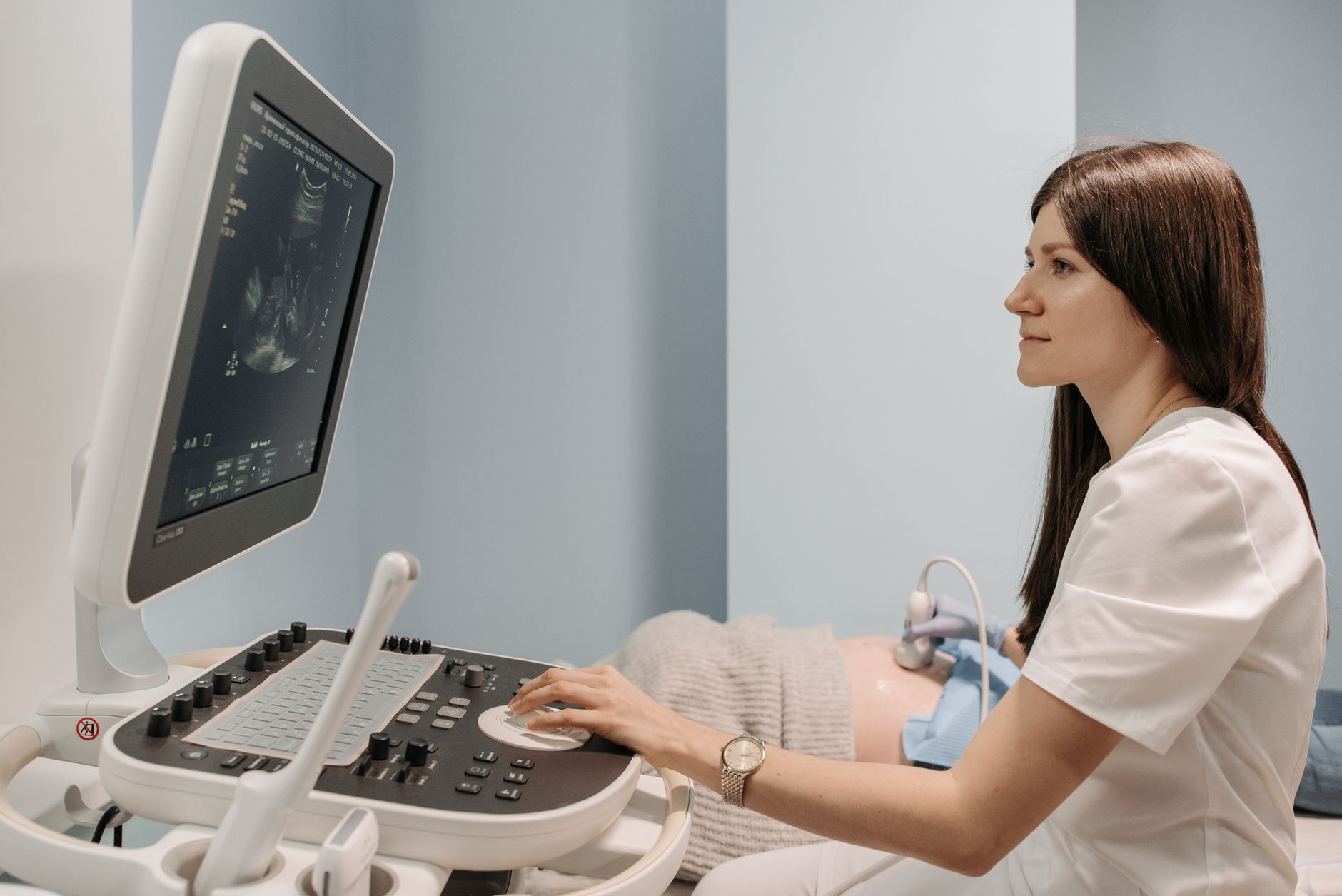
Embarking on the journey of pregnancy is a monumental time, filled with excitement, anticipation, and a myriad of decisions. One of the very first and most significant choices you'll make is selecting the right healthcare provider to guide you through prenatal care and childbirth. For many expecting parents in India, this often narrows down to two primary options: an Obstetrician-Gynecologist (OB-GYN) or a midwife. Both are highly trained professionals dedicated to ensuring a safe and healthy pregnancy for you and your baby. But what exactly sets them apart? And which one is the better fit for your unique needs and preferences? This guide aims to demystify the roles of midwives and OB-GYNs, helping you make an informed decision with confidence.
At their heart, both midwives and OB-GYNs are committed to providing comprehensive medical care, unwavering support, and essential guidance throughout your pregnancy, labour, and postpartum period. They both monitor your health and your baby's development, answer your questions, and help you navigate the complexities of childbirth. Their ultimate goal is the same: a smooth, safe, and positive birthing experience for you and your little one.
An OB-GYN, short for Obstetrician and Gynecologist, is a medical doctor (MD or DO) who has completed a specialized residency in obstetrics and gynecology. This rigorous training equips them with extensive knowledge and skills in managing pregnancies, delivering babies, and addressing a wide range of women's health issues.
OB-GYNs undergo a significant period of education and training. After completing medical school, they must finish a four-year residency program. This residency covers all aspects of women's reproductive health, including obstetrics (pregnancy and childbirth), gynecology (female reproductive system health), gynecological oncology (cancers of the female reproductive organs), ultrasonography, and preventative care. To practice, they must pass demanding examinations set by regulatory bodies like the American Board of Obstetrics and Gynecology (ABOG) and obtain state certification. This ensures they meet the highest standards of medical competence.
As medical doctors, OB-GYNs are trained to handle all types of pregnancies, including those considered high-risk. They are equipped to manage complex medical conditions that may arise during pregnancy, such as gestational diabetes, preeclampsia, or placental issues. Furthermore, OB-GYNs are skilled surgeons. This means they can perform interventions like Cesarean sections (C-sections) if medically necessary, manage complicated deliveries, and perform other gynecological surgeries. They can also offer medical management for issues such as infertility or hormonal imbalances. OB-GYNs typically practice in hospitals, clinics, or private group practices.
Midwives are healthcare professionals who specialize in providing care for women throughout their pregnancy, labour, and postpartum period. While not medical doctors, the majority of midwives in India and globally hold advanced degrees, such as a master's, and have completed accredited education programs. They are certified by professional organizations, ensuring they adhere to strict standards of care.
The training for midwives can vary. Certified Nurse-Midwives (CNMs) typically have a nursing background and then pursue a master's degree in midwifery. Certified Midwives (CMs) may have a direct-entry path with a master's degree. In India, various government and private institutions offer midwifery education, leading to certifications that allow them to practice. These professionals are certified by bodies like the American College of Nurse-Midwives (ACNM) or the North American Registry of Midwives (NARM), or their Indian equivalents, demonstrating their competency and adherence to ethical standards.
Midwives focus on a holistic and often less interventionist approach to pregnancy and childbirth. They are highly skilled in providing prenatal care, supporting natural childbirth, and managing uncomplicated pregnancies. Their philosophy often emphasizes the normality of pregnancy and birth, focusing on education, emotional support, and empowering the birthing person. Midwives are trained to recognize and manage deviations from the norm, and they work closely with OB-GYNs. If a complication arises that requires medical intervention or surgery, they will consult with or transfer care to an OB-GYN. Midwives can practice in various settings, including birth centers, homes, and hospitals, often working collaboratively within maternity teams.
While both professions are dedicated to maternal and infant well-being, a few key distinctions exist:
Choosing between a midwife and an OB-GYN depends largely on your personal preferences, medical history, and the nature of your pregnancy.
A Common Scenario: Maya, a first-time mother-to-be, is excited but also anxious about her pregnancy. She has heard wonderful things about both her friend's OB-GYN, who managed a complex delivery, and her cousin's midwife, who provided continuous, supportive care throughout her natural birth. Maya wants the safest possible outcome but also hopes for a birth experience that feels empowering and natural. She decides to have an initial consultation with both a midwife and an OB-GYN to discuss her concerns and understand their approaches before making her final decision.
For uncomplicated pregnancies, the prenatal visit schedule is often similar whether you choose a midwife or an OB-GYN:
Your provider will tailor this schedule based on your individual needs and progress.
It's also important to know that collaboration between midwives and OB-GYNs is common and beneficial. Many hospitals have integrated teams where midwives provide primary care for low-risk pregnancies, and OB-GYNs are available for consultations or to manage complications as they arise. This collaborative model ensures that you receive the most appropriate care at every stage of your pregnancy.
Ultimately, the most important factor is finding a healthcare provider you trust, feel comfortable with, and who respects your birth preferences. Don't hesitate to:
Both midwives and OB-GYNs are dedicated to supporting you through this incredible journey. By understanding their roles and differences, you can confidently choose the care provider who best aligns with your vision for a healthy and happy pregnancy and birth.
Visit Hospital
Near You

best gastroenterology near me Dr. Ishan Zaidi, gastroenterologist in Allahabad with 12 years' experience, treats fatty liver, IBS, hepatitis, cirrhosis, GERD, and gallbladder disorders. Trained at Tata Memorial and Medanta. Book your consultation for expert digestive and liver care today.
August 7, 2026
Explore the growing specialty hospital landscape in Pakur, offering advanced medical care and expert treatments for complex health conditions.
May 9, 2026

Learn how to find and choose the right hematologist-oncologist and other specialists to manage your Chronic Myeloid Leukemia (CML) care effectively. Discover resources and tips for building a strong treatment team.
April 1, 2026