

Emergency & Help
24/7 Emergency & General Advisory
🚨 24/7 Medical Emergency
Non-Emergency Advisory
10:00 AM – 6:00 PM, Mon–Sat
For appointments & general queries.
24/7 Emergency & General Advisory
🚨 24/7 Medical Emergency
Non-Emergency Advisory
10:00 AM – 6:00 PM, Mon–Sat
For appointments & general queries.
Explore the vital role of radiologists in diagnosing and treating diseases using advanced imaging techniques. Learn about different types of radiologists, their procedures, and the extensive training they undergo.
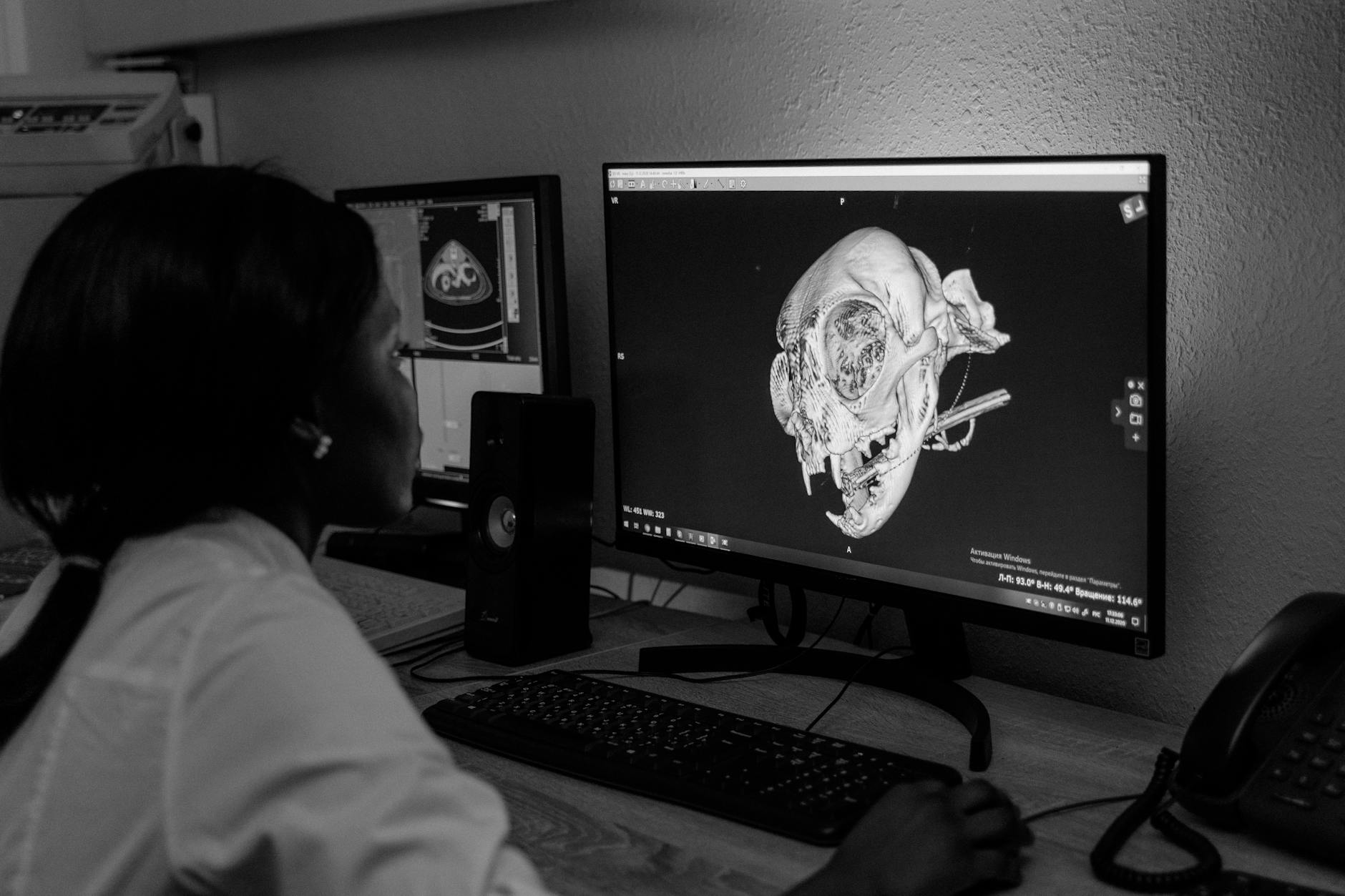
In the complex world of medicine, certain specialists work behind the scenes, playing a pivotal role in diagnosing and treating a wide array of conditions. Radiologists are among these vital professionals. They are medical doctors who specialize in using advanced imaging techniques to visualize the inside of the body, helping to detect diseases, injuries, and abnormalities. Their expertise is indispensable in guiding treatment decisions and often in performing minimally invasive procedures.
At its core, radiology is the medical specialty that uses imaging technology to diagnose and, in some cases, treat diseases and injuries. Radiologists interpret medical images such as X-rays, CT scans, MRIs, ultrasounds, and PET scans. They are trained to identify subtle changes that might indicate a problem, which might be missed by the naked eye or even other medical professionals.
Their work is not limited to just reading scans. Radiologists collaborate closely with other doctors, including surgeons, oncologists, and primary care physicians, to provide a comprehensive understanding of a patient's condition. They often provide detailed reports that guide the treatment plan, ensuring that patients receive the most appropriate care.
The field of radiology is diverse, with several subspecialties catering to specific areas of medicine. The three main types of radiologists are:
These radiologists are primarily focused on interpreting medical images to diagnose conditions. They are the ones who meticulously examine scans to identify the cause of a patient's symptoms or to monitor the progression of a disease. Diagnostic radiologists may further specialize in specific areas, such as:
Their detailed reports are crucial for other specialists to make informed treatment decisions.
Interventional radiologists are unique in that they use imaging guidance not only to diagnose but also to treat conditions. They perform minimally invasive procedures, often using small incisions and specialized instruments guided by real-time imaging. These procedures offer significant advantages over traditional open surgery, including shorter recovery times, less pain, and reduced risk of complications.
Conditions commonly treated by interventional radiologists include:
The increasing demand for these procedures highlights their effectiveness and cost-efficiency in modern healthcare.
Radiation oncologists are specialists who use radiation therapy to treat cancer. They are responsible for prescribing, administering, and overseeing radiation treatments. This involves carefully planning the radiation dose and delivery to target cancer cells while minimizing damage to surrounding healthy tissues. They work closely with a multidisciplinary cancer care team, including medical oncologists and surgeons, to provide comprehensive cancer treatment. They also manage any side effects of radiation therapy, ensuring the patient's comfort and well-being throughout the treatment process.
Radiologists are involved in a vast range of procedures that are critical for patient care. These include:
As mentioned earlier, interventional radiologists perform a variety of image-guided procedures. Some common examples include:
Becoming a radiologist requires extensive education and rigorous training. Like all medical doctors, they must first complete an undergraduate degree, typically followed by medical school. After earning a medical degree (MD or DO), they undergo a specialized residency program in radiology, which usually lasts for four years. This residency provides hands-on experience in all aspects of diagnostic and interventional radiology.
Following residency, many radiologists pursue a fellowship for one to two years to subspecialize in a particular area, such as neuroradiology, pediatric radiology, or interventional radiology. In total, a radiologist typically completes at least 13 years of formal education and training after high school.
To practice, radiologists must hold a valid medical license. Many also choose to become board-certified by passing rigorous examinations administered by the American Board of Radiology, demonstrating their expertise and commitment to high standards of care.
It's important to distinguish between radiologists and radiographers (also known as radiologic technologists). While both are crucial to the imaging process, their roles differ significantly:
Radiographers typically complete an associate's or bachelor's degree program in radiologic technology.
You typically don't consult a radiologist directly. Instead, your primary care physician or another specialist will order imaging tests based on your symptoms or condition. The radiologist then interprets these images and sends a report back to the referring doctor. In cases where interventional radiology procedures are needed, the interventional radiologist may consult with you directly to explain the procedure and its benefits.
Radiology is a rapidly evolving field, driven by technological advancements. Artificial intelligence (AI) is increasingly being integrated into radiology workflows to assist in image analysis, improve efficiency, and enhance diagnostic accuracy. New imaging techniques and modalities are continuously being developed, offering even greater insights into the human body. Interventional radiology, in particular, is expanding its scope, offering less invasive alternatives for a growing number of conditions.
Radiologists are indispensable members of the healthcare team. Their ability to interpret complex medical images and perform image-guided procedures is critical for accurate diagnosis, effective treatment, and improved patient outcomes. While they may often work behind the scenes, their contribution to modern medicine is profound and far-reaching.
A radiologist is a medical doctor who interprets medical images and diagnoses conditions. A radiographer is a technologist who operates the imaging equipment to capture these images.
Generally, yes. Your primary care doctor or another specialist will typically order imaging tests and refer you to a radiology department. You usually cannot book an appointment directly with a radiologist without a referral.
X-rays are the most common imaging technique due to their widespread availability and utility in visualizing bones and certain soft tissues. However, CT scans and MRIs are also very frequently used for more detailed imaging.
Interventional radiology procedures are minimally invasive and are performed under local anesthesia or sedation, similar to many dental procedures. While some discomfort may be experienced, it is generally well-managed, and patients typically recover much faster than with open surgery.
Visit Hospital
Near You

best gastroenterology near me Dr. Ishan Zaidi, gastroenterologist in Allahabad with 12 years' experience, treats fatty liver, IBS, hepatitis, cirrhosis, GERD, and gallbladder disorders. Trained at Tata Memorial and Medanta. Book your consultation for expert digestive and liver care today.
August 7, 2026
Explore the growing specialty hospital landscape in Pakur, offering advanced medical care and expert treatments for complex health conditions.
May 9, 2026

Learn how to find and choose the right hematologist-oncologist and other specialists to manage your Chronic Myeloid Leukemia (CML) care effectively. Discover resources and tips for building a strong treatment team.
April 1, 2026