

Emergency & Help
24/7 Emergency & General Advisory
🚨 24/7 Medical Emergency
Non-Emergency Advisory
10:00 AM – 6:00 PM, Mon–Sat
For appointments & general queries.
24/7 Emergency & General Advisory
🚨 24/7 Medical Emergency
Non-Emergency Advisory
10:00 AM – 6:00 PM, Mon–Sat
For appointments & general queries.
Explore the growing specialty hospital landscape in Pakur, offering advanced medical care and expert treatments for complex health conditions.
Pakur, a district in Jharkhand, is witnessing a significant transformation in its healthcare infrastructure. The emergence of super speciality hospitals marks a crucial step towards providing advanced medical care closer to home for its residents.
Honestly, access to specialised medical expertise was a major challenge for many people here previously. Now, these facilities are bringing world-class treatments and diagnostics within reach, reducing the need for long-distance travel to metropolitan cities.
Super speciality hospitals focus on specific branches of medicine, offering highly advanced diagnostic and therapeutic services. These include cardiology, neurology, oncology, nephrology, gastroenterology, and more. Have you ever wondered why?
Because specialised care requires dedicated equipment and highly trained medical professionals. In many cases, a general hospital might not have the resources for complex procedures like organ transplants or advanced cancer therapies.
And yet, so many people miss it.
Heart disease remains a leading cause of mortality globally and in India. Pakur's new speciality centres are equipped to handle a spectrum of cardiac conditions. This includes complex interventions like angioplasty, stenting, and bypass surgeries.
Advanced imaging techniques such as echocardiography and CT angiography are vital for accurate diagnosis. We often see patients benefiting immensely from early detection of coronary artery disease.
Neurological disorders, including stroke, epilepsy, and Parkinson's disease, require specialised neurological care. Super speciality hospitals in Pakur offer comprehensive services, from diagnosis using MRI and EEG to advanced surgical procedures for brain tumours and spinal cord injuries.
In real-world terms, this means quicker access to life-saving interventions for stroke people, where every minute counts.
Cancer treatment is a complex, multi-disciplinary approach. These advanced hospitals provide integrated cancer care, encompassing medical oncology (chemotherapy), radiation oncology, and surgical oncology.
Modern facilities offer precise treatments like Intensity-Modulated Radiation Therapy (IMRT) and targeted therapies, aiming to improve outcomes and quality of life for those affected. The establishment of such centres is vital for strengthening India's fight against cancer, which affects millions annually.
Here's where it gets interesting.
Kidney diseases and urinary tract disorders are increasingly prevalent. Super speciality units offer dialysis, kidney transplants, and advanced urological surgeries. Minimally invasive techniques are often employed, leading to faster recovery times for people.
So what does that mean for you? It means less discomfort and a quicker return to normal activities after therapy.
Digestive system disorders, including liver diseases and inflammatory bowel conditions, are managed by expert gastroenterologists. Endoscopic procedures like gastroscopy and colonoscopy, along with advanced treatments for liver cirrhosis and pancreatitis, are now available locally.
These services are crucial for diagnosing and managing conditions that can significantly impact daily living.
The backbone of any super speciality hospital is its diagnostic capabilities. These institutions are investing heavily in cutting-edge technology. This includes state-of-the-art imaging machines (MRI, CT scanners), advanced pathology labs, and sophisticated equipment for cardiac catheterisation and neuro-diagnostics.
For instance, AIIMS (All India Institute of Medical Sciences) consistently adopts the latest diagnostic tools to ensure accurate and timely diagnoses. This technological advancement enables physicians to identify diseases at their earliest stages, often leading to more successful approach outcomes.
This is where most sufferers struggle.
On top of that,, these hospitals often integrate telemedicine services, allowing sufferers in remote areas to consult with specialists virtually. This is a game-changer, especially for follow-up care and managing chronic conditions.
The WHO (World Health Organization) guidelines emphasise the importance of accessible diagnostic services for all populations.
Beyond technology, the presence of highly skilled and experienced medical professionals is paramount. Super speciality hospitals attract top doctors—specialists who have undergone extensive training and possess deep expertise in their respective fields. Many have trained at premier institutions like the Post Graduate Institute of Medical Education and Research (PGIMER) or have international experience.
Their collective knowledge and hands-on experience are invaluable for managing complex medical cases. Honestly, the quality of care is directly linked to the expertise of the medical team.
Living with a serious medical condition is genuinely hard. The reassurance of being treated by a renowned specialist can make a marked difference to a patient's journey towards recovery. We often see those affected feel more confident when they know they are in capable hands.
A key differentiator for these advanced facilities is their focus on the patient experience. From the moment a person walks in, the aim is to provide a comfortable and supportive environment. This includes streamlined admission processes, personalised care plans, and empathetic communication from nursing staff and physicians.
Most people overlook this completely.
Think of it like getting your car serviced at a premium garage; everything is organised, and the staff are attentive to your needs. This holistic approach ensures that people affected by illness receive not just medical management, but also emotional support.
The integration of electronic health records (EHR) also plays a vital role. EHR systems help maintain a complete medical history, enabling seamless coordination of care between different specialists. This prevents redundant tests and ensures that therapy plans are consistent and up-to-date.
The establishment of super speciality hospitals in Pakur has a ripple effect on the entire local healthcare ecosystem. It not only benefits individuals directly but also elevates the standards of medical practice in the region. Local specialists can collaborate with specialists, leading to better patient management and referral pathways.
This upskilling of the local medical community strengthens the overall healthcare delivery system. India has seen remarkable progress in healthcare accessibility, with initiatives like Ayushman Bharat Digital Mission playing a key role.
Most people overlook this completely.
What's more,, these centres often become hubs for medical research and education, further contributing to the advancement of healthcare knowledge and practices. The Indian Council of Medical Research (ICMR) encourages such collaborations to drive innovation.
When selecting a super speciality hospital, consider several factors. Look for accreditations and certifications that signify quality standards. Research the credentials and experience of the specialists in the specific field you require. Read patient testimonials or reviews if available.
Inquire about the technology and diagnostic facilities they possess. Transparency in billing and intervention protocols is also a crucial aspect. Always consult a qualified physician before making medical decisions.
A speciality hospital focuses on a broad area like cardiology or orthopaedics. A super speciality hospital delves deeper, offering highly specialised services within those fields, such as interventional cardiology or neurosurgery for specific conditions.
Most people overlook this completely.
Generally, the advanced technology and highly specialised personnel mean super speciality hospitals can have higher costs. However, they often provide more effective and faster management, potentially reducing overall healthcare expenditure for complex conditions.
Yes, most super speciality hospitals are equipped to handle medical emergencies, often with dedicated emergency departments and critical care units. Their specialised focus means they are particularly well-prepared for emergencies related to their specific areas of expertise.
Ask your primary care physician for a referral to a specialist. You can also research hospitals online, check doctor profiles for their qualifications and experience, and read patient reviews. Visiting the hospital's official website is often a good starting point.
Visit Hospital
Near You
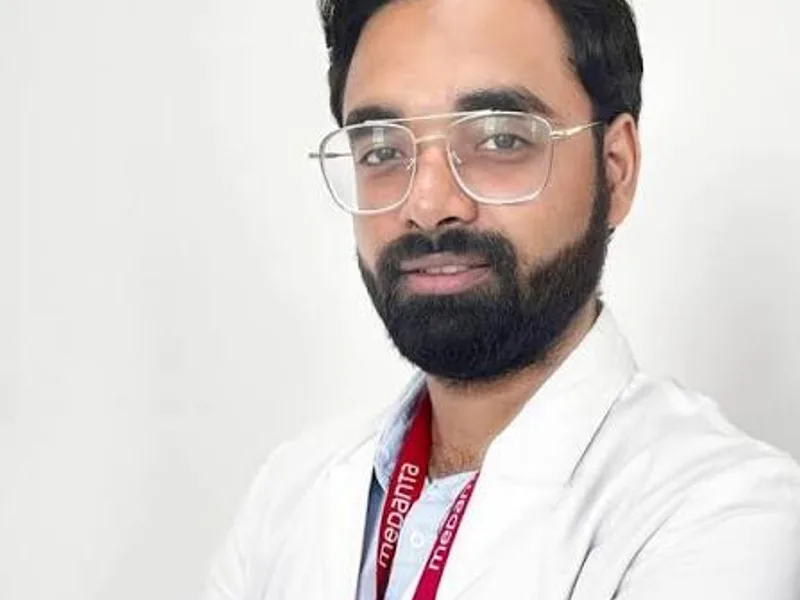
best gastroenterology near me Dr. Ishan Zaidi, gastroenterologist in Allahabad with 12 years' experience, treats fatty liver, IBS, hepatitis, cirrhosis, GERD, and gallbladder disorders. Trained at Tata Memorial and Medanta. Book your consultation for expert digestive and liver care today.
August 7, 2026

Learn how to find and choose the right hematologist-oncologist and other specialists to manage your Chronic Myeloid Leukemia (CML) care effectively. Discover resources and tips for building a strong treatment team.
April 1, 2026
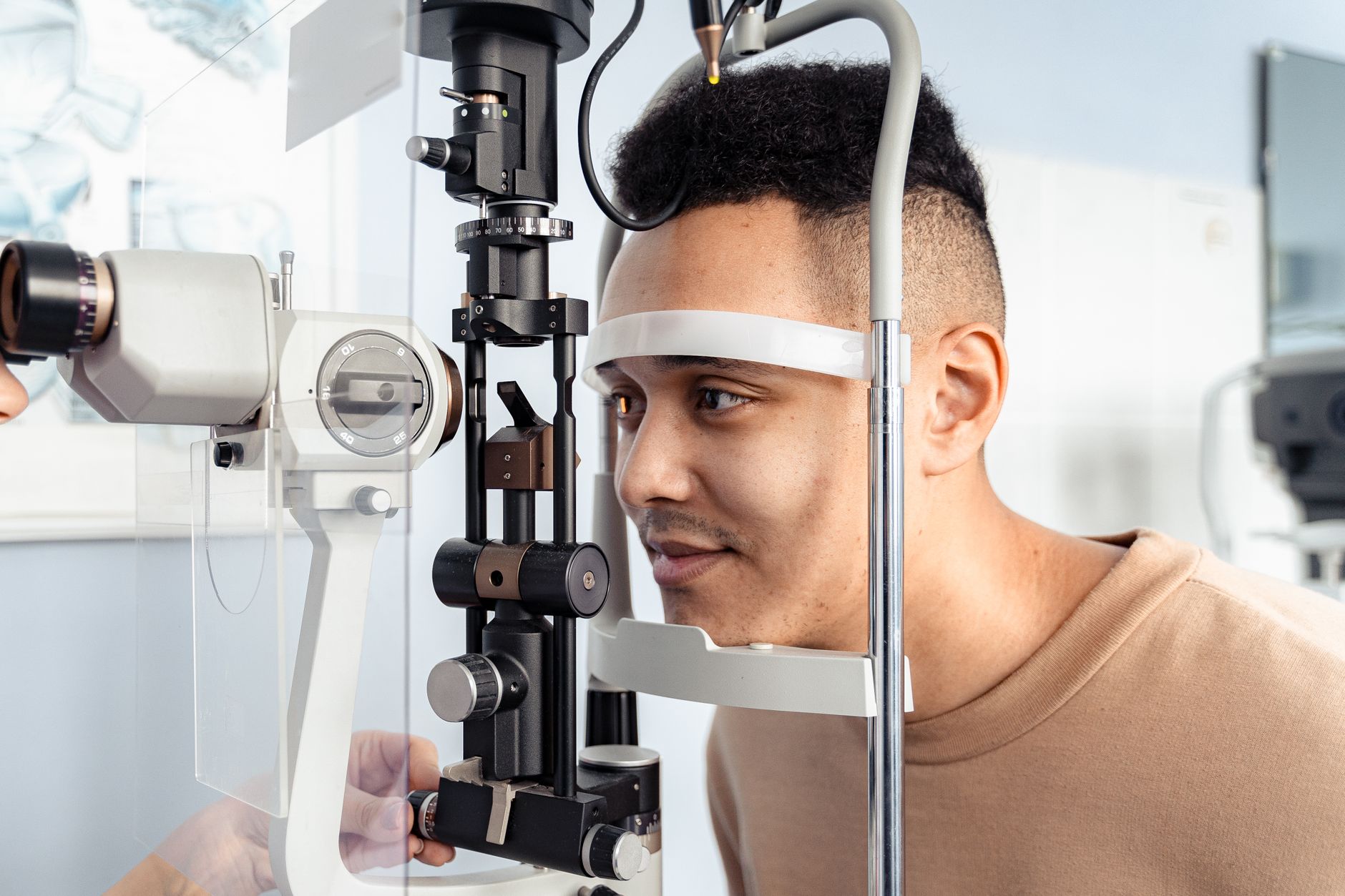
Confused about who to see for your eye care needs? Learn the differences between optometrists and ophthalmologists, their training, and what services they offer to help you choose the right professional.
April 1, 2026