

Emergency & Help
24/7 Emergency & General Advisory
🚨 24/7 Medical Emergency
Non-Emergency Advisory
10:00 AM – 6:00 PM, Mon–Sat
For appointments & general queries.
24/7 Emergency & General Advisory
🚨 24/7 Medical Emergency
Non-Emergency Advisory
10:00 AM – 6:00 PM, Mon–Sat
For appointments & general queries.
A comprehensive guide to tennis elbow surgery for Indian patients, covering when it's needed, types of procedures, recovery, costs, and potential risks.
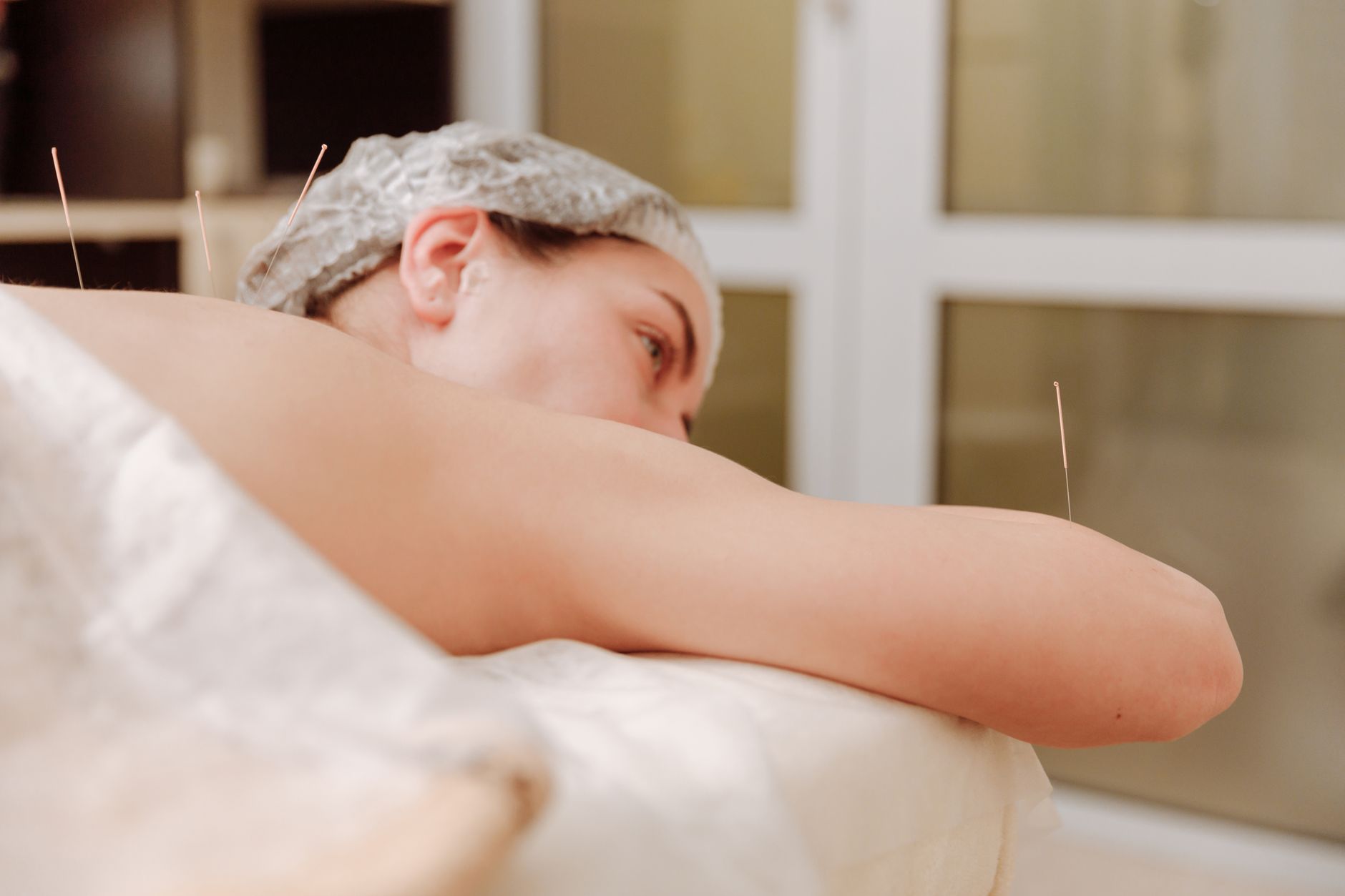
Tennis elbow, medically known as lateral epicondylitis, is a painful condition affecting the tendons that join the forearm muscles on the outside of the elbow. While most cases resolve with conservative treatments, a small percentage of individuals may require surgery to regain full function and alleviate persistent pain. This comprehensive guide aims to provide detailed information about tennis elbow surgery, tailored for patients in India, covering its necessity, types, procedures, recovery, costs, and potential risks.
Tennis elbow is characterized by pain and tenderness on the outer part of the elbow. This pain often radiates down the forearm and can make simple activities like gripping, lifting, or even shaking hands difficult. It is caused by overuse and strain of the forearm muscles and tendons, often due to repetitive motions, even if you've never played tennis. Common culprits include manual labour, certain sports, and even prolonged computer use.
Surgery is generally considered a last resort for tennis elbow. It is typically recommended only when:
It's important to note that only about 10% of individuals diagnosed with tennis elbow are advised to consider surgery.
There are several surgical approaches to treat tennis elbow, and the choice depends on the severity of the condition, the surgeon's expertise, and the patient's overall health. The primary goal of these surgeries is to remove damaged tissue and reattach healthy muscle to the bone.
This is a traditional method where the surgeon makes a larger incision (typically 2-3 inches) over the elbow to directly access and repair the damaged tendons. It allows for a clear view of the affected area and thorough debridement (removal) of unhealthy tissue.
This is a minimally invasive technique that uses an arthroscope (a small camera) and specialized instruments inserted through small incisions. The surgeon can visualize the inside of the elbow joint and surrounding tissues on a monitor and perform the necessary repairs with minimal disruption to healthy tissue.
Similar to arthroscopy, this method also involves small incisions. However, instead of arthroscopic tools, hypodermic needles are used to debride the damaged tendon tissue. This technique is also highly effective, with some studies reporting excellent outcomes in a significant percentage of cases.
The specific steps of the surgery will vary depending on the chosen technique. However, the general process involves:
The recovery period is crucial for successful healing and regaining full arm function. It typically involves several phases:
It's vital to follow your doctor's and physiotherapist's instructions meticulously to avoid re-injury and ensure optimal recovery.
While tennis elbow surgery is generally safe and effective, like any surgical procedure, it carries some potential risks:
Your surgeon will discuss these risks with you in detail before the procedure.
Pros:
Cons:
The cost of tennis elbow surgery in India can vary significantly based on several factors, including the hospital's reputation, the surgeon's fees, the type of surgical procedure, and the city where the surgery is performed. While specific figures can fluctuate, generally:
Without health insurance, the surgery can range from approximately ₹50,000 to ₹2,00,000 or more. With health insurance, the cost is often significantly reduced, with the patient typically paying only for co-pays and deductibles as per their policy. It is advisable to get a detailed estimate from the hospital or clinic and check with your insurance provider for coverage details.
No, tennis elbow does not always require surgery. In fact, surgery is recommended for only a small percentage of patients (around 10%) who have not responded to at least 6-12 months of conservative treatment. Most cases of tennis elbow can be effectively managed with non-surgical interventions.
You should consult a doctor if you experience persistent pain on the outer side of your elbow that interferes with your daily activities, especially if:
Early diagnosis and appropriate management can prevent the condition from becoming chronic and potentially reduce the need for surgery.
A1: Yes, elbow arthroscopy and percutaneous surgery are minimally invasive techniques that use small incisions, leading to faster recovery and smaller scars compared to open surgery.
A2: Full recovery, including returning to normal daily activities, typically takes around 12 weeks. However, returning to sports or heavy lifting may take longer, up to 16-22 weeks.
A3: Yes, physiotherapy is an essential part of the recovery process to regain strength, flexibility, and range of motion in the elbow and arm.
A4: The success rates are generally high, with many patients experiencing significant pain reduction and improved function. However, outcomes can vary, and some patients may experience residual pain or stiffness.
A5: PRP injections are considered a non-surgical treatment option for tennis elbow. They are sometimes used as an alternative or adjunct to other conservative treatments, but their effectiveness compared to surgery for severe, chronic cases is still debated and may depend on individual response.
This section adds practical context and preventive advice to help readers make informed healthcare decisions. It is important to verify symptoms early, consult qualified doctors, and avoid self-medication for persistent health issues.
Maintaining healthy routines, following prescribed treatment plans, and attending regular checkups can improve outcomes. If symptoms worsen or red-flag signs appear, immediate medical evaluation is recommended.
Track symptoms and duration.
Follow diagnosis and treatment from a licensed practitioner.
Review medication side effects with your doctor.
Seek urgent care for severe warning signs.
Visit Hospital
Near You
best gastroenterology near me Dr. Ishan Zaidi, gastroenterologist in Allahabad with 12 years' experience, treats fatty liver, IBS, hepatitis, cirrhosis, GERD, and gallbladder disorders. Trained at Tata Memorial and Medanta. Book your consultation for expert digestive and liver care today.
August 7, 2026
Explore the growing specialty hospital landscape in Pakur, offering advanced medical care and expert treatments for complex health conditions.
May 9, 2026

Learn how to find and choose the right hematologist-oncologist and other specialists to manage your Chronic Myeloid Leukemia (CML) care effectively. Discover resources and tips for building a strong treatment team.
April 1, 2026