

Emergency & Help
24/7 Emergency & General Advisory
🚨 24/7 Medical Emergency
Non-Emergency Advisory
10:00 AM – 6:00 PM, Mon–Sat
For appointments & general queries.
24/7 Emergency & General Advisory
🚨 24/7 Medical Emergency
Non-Emergency Advisory
10:00 AM – 6:00 PM, Mon–Sat
For appointments & general queries.
Explore the diverse world of health clinics, from primary care and specialized centers to retail, mobile, and free clinics. Understand their services and how to choose the right one for your healthcare needs.

Navigating the healthcare system can sometimes feel overwhelming, with various facilities offering different services. Understanding the types of health clinics available can help you make informed decisions about where to seek care. From general check-ups to specialized treatments, clinics play a vital role in providing accessible healthcare. Let's explore the diverse world of health clinics, what they offer, and how they can serve your health needs.
A clinic is essentially a healthcare facility where patients receive outpatient care. This means you typically visit a clinic for treatment without staying overnight. Clinics can range from small, independent practices to larger facilities associated with hospitals or universities. Some even operate within retail environments, making healthcare more convenient.
These are often the first point of contact for most health concerns. Primary care clinics offer a wide array of routine and preventive services. Think of them as your go-to for general health maintenance and common ailments.
Services typically include:
The healthcare professionals here, such as family physicians, internists, and pediatricians, practice general medicine. You might also see physician assistants and nurse practitioners. Some primary care clinics offer services at little to no cost, often referred to as free or charitable clinics.
Scenario: Your child develops a high fever and a persistent cough overnight. Instead of waiting for a hospital appointment, you call your child's pediatrician at the primary care clinic, who can see them that morning for a diagnosis and treatment plan.
Unlike primary care clinics, these facilities focus on a specific area of medicine. The providers have advanced training in fields like cardiology, dermatology, or neurology. If you need care that goes beyond general medicine, your primary doctor will likely refer you to a specialized clinic.
Examples of specialized areas include:
These clinics are often part of larger hospital systems but can also be independent practices.
These clinics provide essential services focused on sexual and reproductive well-being for both men and women.
Services offered often include:
It's always best to contact the clinic directly to confirm the specific services they provide.
For individuals concerned about their mental well-being, these clinics offer specialized diagnosis and treatment for mental health conditions.
Conditions treated may include:
Providers at these clinics are trained to offer various forms of therapy and sometimes medication management.
Conveniently located inside pharmacies or retail stores, these clinics offer walk-in care for minor illnesses and injuries. They are ideal for quick visits when your regular doctor isn't available or for minor issues.
Common services:
Scenario: You wake up with a sore throat and a runny nose on a Saturday morning, and your work is closed. You can walk into a retail clinic located in a nearby supermarket for a quick assessment and medication.
These clinics are specifically designed to provide primary and preventive healthcare services in rural and underserved areas. They help improve access to care for communities that might otherwise have limited options.
RHCs can offer a range of services, often similar to primary care clinics, but their main goal is to bridge the healthcare gap in remote locations.
These are healthcare facilities housed in customized vehicles that travel to different locations. Mobile clinics bring medical services directly to communities, especially those that are remote, underserved, or face access challenges.
They can provide various services, from general check-ups and vaccinations to specific health screenings, depending on the clinic's focus. This model is excellent for reaching populations who may have difficulty traveling to fixed clinic locations.
Community health centers are vital resources that provide comprehensive primary care and preventive health services to underserved populations, regardless of their ability to pay. They often offer a holistic approach, addressing not just medical needs but also social and environmental factors affecting health.
Services can include medical, dental, and mental health care, along with health education and case management. They are a cornerstone of accessible healthcare in many communities.
Urgent care clinics bridge the gap between primary care physicians and emergency rooms. They are equipped to handle medical issues that require prompt attention but are not life-threatening.
Examples of conditions treated:
They offer a convenient option when your doctor's office is closed or you can't get an immediate appointment, but they are not a substitute for emergency care.
As the name suggests, free clinics provide medical services at no cost to patients who cannot afford healthcare. These clinics rely on volunteer medical professionals and donations.
They are essential for providing a safety net for uninsured or underinsured individuals, offering basic medical care, and sometimes connecting patients with resources for further treatment.
Choosing the right clinic depends on your specific needs. Consider the following:
Don't hesitate to call a clinic directly if you have questions about their services, costs, or appointment availability. Taking a proactive approach to understanding your healthcare options empowers you to receive the best possible care.
A clinic primarily offers outpatient care, meaning patients usually go home the same day. Hospitals provide a broader range of services, including inpatient care (overnight stays), surgery, and intensive treatments for severe conditions.
Most clinics are not equipped for severe medical emergencies. For life-threatening situations, you should always go to the nearest hospital emergency room. Urgent care clinics can handle non-life-threatening emergencies.
Coverage varies depending on your insurance plan and the type of clinic. It's essential to confirm with your insurance provider and the clinic beforehand. Some clinics, like community health centers and free clinics, offer services on a sliding scale or free of charge.
Visit Hospital
Near You
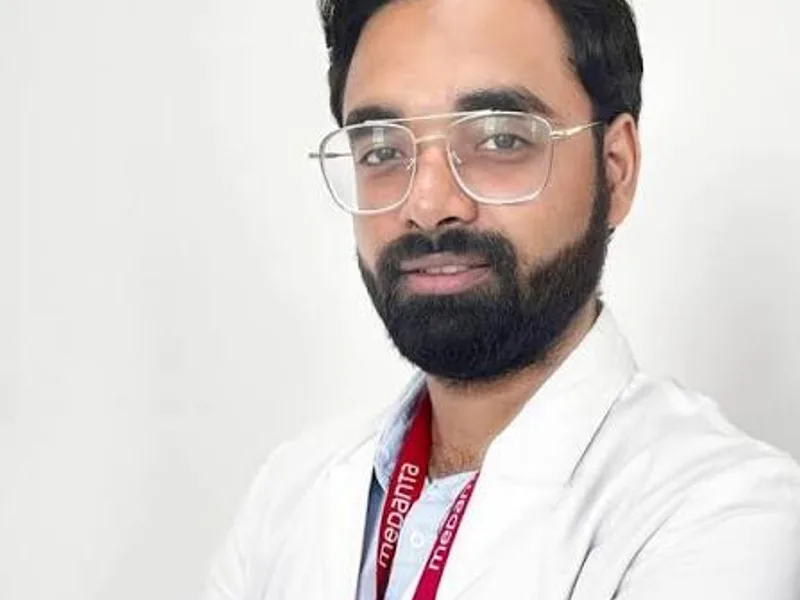
best gastroenterology near me Dr. Ishan Zaidi, gastroenterologist in Allahabad with 12 years' experience, treats fatty liver, IBS, hepatitis, cirrhosis, GERD, and gallbladder disorders. Trained at Tata Memorial and Medanta. Book your consultation for expert digestive and liver care today.
August 7, 2026
Explore the growing specialty hospital landscape in Pakur, offering advanced medical care and expert treatments for complex health conditions.
May 9, 2026

Learn how to find and choose the right hematologist-oncologist and other specialists to manage your Chronic Myeloid Leukemia (CML) care effectively. Discover resources and tips for building a strong treatment team.
April 1, 2026