

Emergency & Help
24/7 Emergency & General Advisory
🚨 24/7 Medical Emergency
Non-Emergency Advisory
10:00 AM – 6:00 PM, Mon–Sat
For appointments & general queries.
24/7 Emergency & General Advisory
🚨 24/7 Medical Emergency
Non-Emergency Advisory
10:00 AM – 6:00 PM, Mon–Sat
For appointments & general queries.
Learn about urogynecologists, specialists in female pelvic floor disorders like incontinence and prolapse. Discover causes, symptoms, diagnosis, treatment, and prevention.
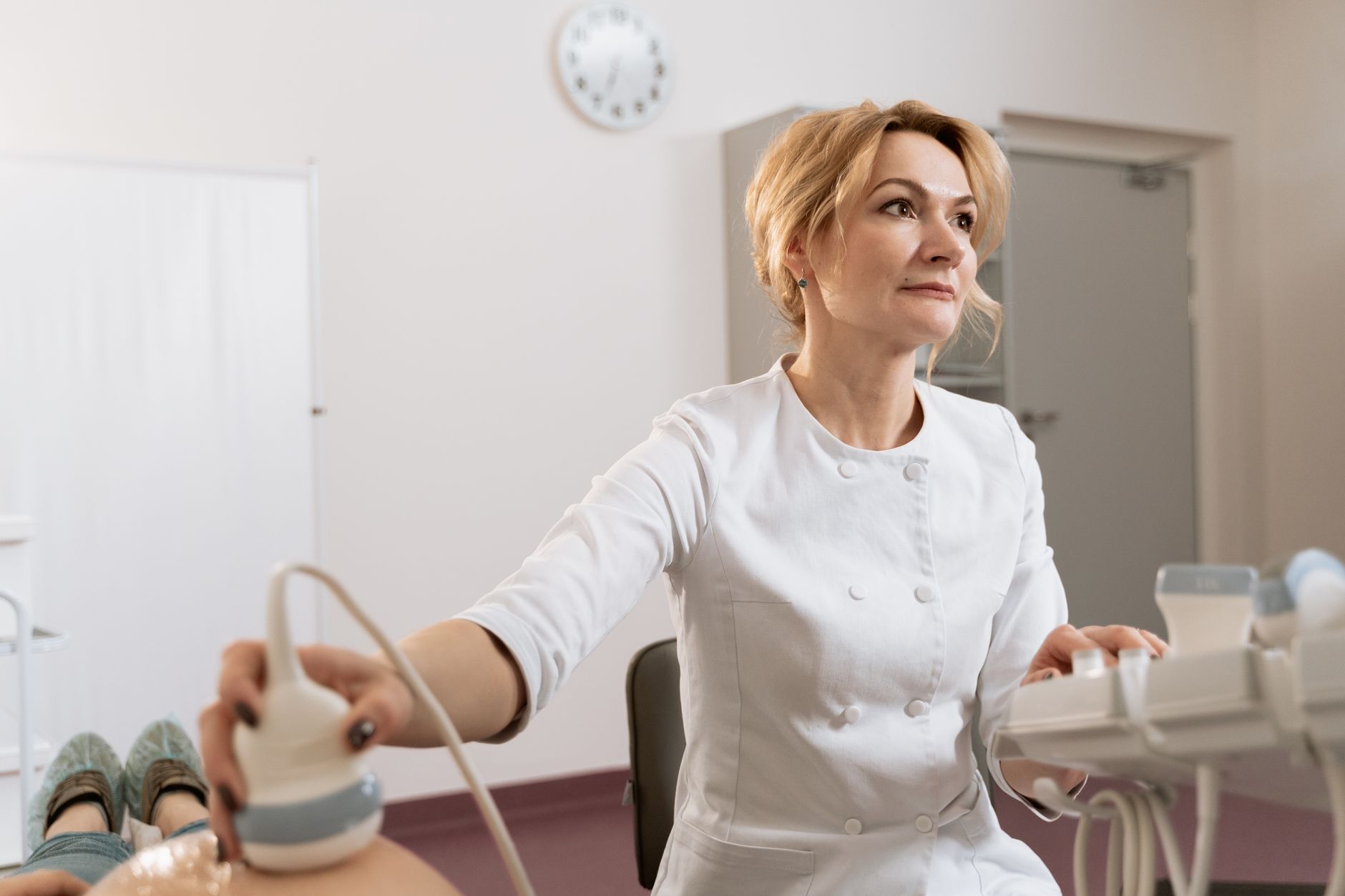
Understanding the Role of a Urogynecologist In the realm of women's health, certain conditions can be complex and require specialized care. One such area is pelvic floor health, which involves a group of muscles, ligaments, and tissues that form the base of the pelvis. When these structures are weakened or damaged, it can lead to a variety of uncomfortable and disruptive issues, including urinary and fecal incontinence, pelvic organ prolapse, and pain during intercourse. This is where a urogynecologist comes in. A urogynecologist is a medical specialist who has undergone extensive additional training specifically in the diagnosis and treatment of conditions affecting the pelvic floor. They combine expertise from both gynecology and urology to offer comprehensive care for these sensitive issues. What is a Urogynecologist? A urogynecologist is a physician who specializes in the female pelvic floor disorders. This subspecialty, which officially became recognized in 2011, focuses on the complex interplay between the pelvic organs (bladder, uterus, vagina, and rectum) and the muscles and nerves that support them. Essentially, they are experts in treating conditions that affect the pelvic organs' ability to function correctly. This includes issues related to urinary control, bowel control, and the structural integrity of the pelvic organs. Conditions Treated by Urogynecologists The scope of practice for a urogynecologist is broad, encompassing a range of conditions that can significantly impact a woman's quality of life. Some of the most common conditions they treat include: Urinary Incontinence: This is the involuntary leakage of urine. It can manifest in different ways, such as stress incontinence (leakage during physical activity like coughing, sneezing, or laughing), urge incontinence (a sudden, strong urge to urinate followed by leakage), or mixed incontinence (a combination of both). Fecal Incontinence: This refers to the inability to control bowel movements, leading to the involuntary leakage of stool or gas. Pelvic Organ Prolapse (POP): This occurs when the pelvic floor muscles and tissues become weak, allowing one or more pelvic organs (such as the bladder, uterus, or rectum) to drop or prolapse into the vagina. Symptoms can include a feeling of fullness or pressure in the pelvis, a bulge in the vagina, or discomfort during intercourse. Fistulas: These are abnormal connections or openings between organs, most commonly between the vagina and the bladder (vesicovaginal fistula) or the vagina and the rectum (rectovaginal fistula). These can result from childbirth, surgery, or radiation therapy. Pain During Intercourse (Dyspareunia): While not exclusively treated by urogynecologists, they can address pain related to pelvic floor dysfunction or structural issues. Pelvic Floor Dysfunction: This is a general term for problems with the pelvic floor muscles, which can cause pain, pressure, or difficulty with bladder or bowel function. Causes of Pelvic Floor Disorders The exact causes of pelvic floor disorders are not always clear, and often multiple factors contribute. However, several risk factors have been identified: Pregnancy and Childbirth: This is a significant factor. The weight of the growing fetus, hormonal changes during pregnancy, and the physical stress of labor and delivery can weaken pelvic floor muscles and damage nerves. While some studies suggest a lower risk of pelvic disorders with C-sections compared to vaginal births, the data is still evolving. The number of children delivered and the use of instruments like forceps or vacuum extractors during delivery can also play a role. However, it's important to note that pelvic floor disorders can affect women who have never been pregnant or delivered a baby. Aging and Menopause: As women age, particularly after menopause, estrogen levels decrease. Estrogen plays a role in maintaining the strength and elasticity of pelvic tissues. This can lead to a weakening of the pelvic floor muscles and an increased risk of prolapse and incontinence. Obesity: Excess body weight puts increased pressure on the pelvic floor, contributing to its weakening over time. Chronic Coughing or Straining: Conditions that cause persistent coughing (like smoking-related lung diseases or asthma) or chronic constipation leading to straining during bowel movements can put significant pressure on the pelvic floor. Heavy Lifting: Repeatedly lifting heavy objects, especially without proper technique, can also contribute to pelvic floor strain. Previous Surgeries: Hysterectomy or surgeries to correct pelvic organ prolapse can sometimes increase the risk of developing other pelvic floor issues. Genetics: Some individuals may have a genetic predisposition to weaker connective tissues, muscles, or bones, which can make them more susceptible to pelvic organ prolapse. Certain Medical Conditions: Some medical conditions can affect the strength and integrity of connective tissues, increasing the risk of pelvic organ prolapse. When to Consult a Urogynecologist It's time to consider seeing a urogynecologist if you experience any of the following symptoms: Leakage of urine when you cough, sneeze, laugh, or engage in physical activity (stress incontinence). A sudden, strong urge to urinate that is difficult to control, leading to leakage (urge incontinence). Frequent urination or a constant feeling of needing to use the restroom. Waking up multiple times during the night to urinate. Experiencing accidents because you can't reach the toilet in time. Leakage of stool or gas (fecal incontinence). A feeling of heaviness, pressure, or a bulge in your pelvic area. Pain during vaginal or anal intercourse. Frequent urinary tract infections (UTIs) that may be related to incomplete bladder emptying or other pelvic floor issues. A sensation of sitting on a small ball or experiencing other pelvic discomfort. Don't hesitate to seek medical advice if you are experiencing any of these symptoms. Many of these conditions are treatable, and a urogynecologist can help you find relief and improve your quality of life. Diagnosis and Treatment During your first appointment, the urogynecologist will take a detailed medical history, asking about your symptoms, lifestyle, past surgeries, and childbirth history. They will likely perform a physical examination, including a pelvic exam, to assess the strength of your pelvic floor muscles and check for any signs of prolapse. Depending on your symptoms, they may also recommend: Urodynamic testing: This series of tests evaluates how well your bladder and urethra store and release urine. Cystoscopy: A small, lighted scope is inserted into the urethra and bladder to visualize the urinary tract. Imaging tests: Such as an ultrasound or MRI, to get a clearer picture of your pelvic organs. Treatment options vary widely depending on the specific condition and its severity. They can range from conservative measures to surgical interventions: Lifestyle modifications: This might include dietary changes, fluid management, and weight loss if obesity is a factor. Pelvic floor muscle exercises (Kegels): These exercises strengthen the pelvic floor muscles and can be very effective for mild to moderate incontinence and prolapse. A physical therapist specializing in pelvic floor rehabilitation can provide guidance. Medications: Certain medications can help manage overactive bladder symptoms or improve bladder control. Pessaries: These are devices inserted into the vagina to support prolapsed organs and reduce leakage. Surgery: For more severe cases of prolapse or incontinence, surgical repair may be recommended. This can involve procedures to strengthen the pelvic floor, repair tears, or correct fistulas. Urogynecologists are skilled in performing these reconstructive surgeries. Prevention Strategies While not all pelvic floor disorders can be prevented, certain measures can help reduce your risk or manage existing conditions: Maintain a healthy weight: Reducing excess body weight can decrease pressure on the pelvic floor. Practice good bowel habits: Avoid straining during bowel movements by maintaining a high-fiber diet and staying hydrated. Quit smoking: Smoking can lead to chronic coughing, which puts stress on the pelvic floor. Perform Kegel exercises regularly: Incorporate these exercises into your daily routine, especially during and after pregnancy. Use proper lifting techniques: When lifting heavy objects, bend your knees and lift with your legs, not your back. Seek prompt medical attention: If you notice any symptoms of pelvic floor dysfunction, consult a healthcare professional early. When to Consult a Doctor It is crucial to consult a doctor, preferably a urogynecologist, if you experience persistent symptoms of pelvic floor dysfunction. These conditions can significantly affect your physical and emotional well-being, and early intervention often leads to better outcomes. Do not hesitate to discuss these issues with your primary care physician, gynecologist, or urologist, who can refer you to a urogynecologist if necessary. Frequently Asked Questions (FAQ) Q1: Can men see a urogynecologist? While urogynecology is primarily focused on female pelvic health, some urologists or colorectal surgeons may treat similar conditions in men, such as fecal incontinence or pelvic floor dysfunction. However, the term 'urogynecologist' specifically refers to a specialist in female pelvic medicine. Q2: Is pelvic organ prolapse always serious? The severity of pelvic organ prolapse varies. Mild cases may cause no symptoms or only minor discomfort. However, moderate to severe prolapse can lead to significant pain, difficulty with bodily functions, and a reduced quality of life. It's important to have it evaluated by a healthcare professional. Q3: Can pelvic floor exercises really help? Yes, pelvic floor exercises, commonly known as Kegels, can be very effective in strengthening the muscles that support the pelvic organs. They are often a first-line treatment for mild to moderate stress
In summary, timely diagnosis, evidence-based treatment, and prevention-focused care improve long-term health outcomes.
Visit Hospital
Near You

best gastroenterology near me Dr. Ishan Zaidi, gastroenterologist in Allahabad with 12 years' experience, treats fatty liver, IBS, hepatitis, cirrhosis, GERD, and gallbladder disorders. Trained at Tata Memorial and Medanta. Book your consultation for expert digestive and liver care today.
August 7, 2026
Explore the growing specialty hospital landscape in Pakur, offering advanced medical care and expert treatments for complex health conditions.
May 9, 2026

Learn how to find and choose the right hematologist-oncologist and other specialists to manage your Chronic Myeloid Leukemia (CML) care effectively. Discover resources and tips for building a strong treatment team.
April 1, 2026