

Emergency & Help
24/7 Emergency & General Advisory
🚨 24/7 Medical Emergency
Non-Emergency Advisory
10:00 AM – 6:00 PM, Mon–Sat
For appointments & general queries.
24/7 Emergency & General Advisory
🚨 24/7 Medical Emergency
Non-Emergency Advisory
10:00 AM – 6:00 PM, Mon–Sat
For appointments & general queries.
Explore Mutual of Omaha's Medicare Supplement (Medigap) plans. Understand Plan A, C, D, F, G, and N benefits, costs, and how they can help cover gaps in Original Medicare.

Navigating Medicare can feel like a maze, especially when you're trying to figure out how to cover the costs that Original Medicare (Part A and Part B) doesn't. That's where Medicare Supplement Insurance, often called Medigap, comes in. These plans are sold by private insurance companies, and today we're focusing on what Mutual of Omaha offers. If you're a senior in India or anywhere else looking for clarity on supplemental health coverage, this guide will break down the options available through Mutual of Omaha, helping you make an informed decision about your healthcare future. Original Medicare is essential, but it doesn't cover everything. You might still have to pay deductibles, copayments, and coinsurance. Medigap policies are designed to fill these gaps. Think of them as a helpful partner to your Original Medicare, making healthcare more predictable and manageable. Mutual of Omaha is a well-known name in insurance, and they provide several Medigap plans to suit different needs and budgets. Let's explore what makes these plans unique and how they can benefit you. What Exactly Are Medigap Plans? Medigap plans are standardized by the federal government. This means that no matter which insurance company you choose (like Mutual of Omaha, or others), a Plan G from one company will offer the same basic benefits as a Plan G from another. The differences usually lie in the monthly premium , customer service, and any extra perks a company might offer. Mutual of Omaha offers six of the ten available Medigap plan types, giving you a good range of choices. These plans are identified by letters: A, C, D, F, G, and N. It's important to understand that Medigap policies are different from Medicare Advantage Plans (Part C). Medigap works alongside Original Medicare, while Medicare Advantage plans are an alternative way to receive your Medicare benefits, often through private insurance networks. Mutual of Omaha's Medigap Offerings: A Closer Look Mutual of Omaha provides a selection of Medigap plans, each with a different set of benefits. Let's break down what each of the plans they offer typically covers: Plan A: The Foundational Coverage Plan A is the most basic Medigap plan. Every insurance company selling Medigap plans must offer Plan A. It's a good starting point if you're looking for essential coverage for some of the costs of Medicare Part A (hospital insurance) and Part B (medical insurance). This includes copayments and coinsurance for both hospital stays and doctor visits. Plan C: Comprehensive Benefits (with restrictions for new enrollees) Plan C offers more comprehensive coverage than Plan A. It covers the copayments and coinsurance for Parts A and B. Additionally, it offers coverage for emergency care when you're traveling outside of India or other foreign countries, up to a $50,000 lifetime limit. However, a significant change is that if you became eligible for Medicare on or after January 1, 2020, you can no longer purchase Plan C. If you were eligible before this date, you may still be able to buy or keep it. Plan D: Enhanced Coverage Plan D is similar to Plan C in its coverage. It includes the copayments and coinsurance for Parts A and B, as well as foreign travel emergency care. Plan D can be a good alternative for those who can no longer purchase Plan C because it offers robust benefits that can help manage healthcare costs effectively. Plan F: The Most Extensive Coverage (with restrictions for new enrollees) Plan F is known for offering the most extensive coverage among all Medigap plans. It covers Part A and B copayments and coinsurance, foreign travel emergency care, and even the Part B excess charges (which are fees doctors can charge if they don't accept the Medicare-approved amount). Like Plan C, Plan F is no longer available to individuals who became eligible for Medicare on or after January 1, 2020. If you were eligible before this date, you might still be able to purchase it. High-Deductible Plan F: Mutual of Omaha also offers a high-deductible version of Plan F. With this plan, you pay a lower monthly premium, but you must meet a certain deductible amount out-of-pocket before the plan starts to cover costs. This can be a good option if you're generally healthy and want lower monthly payments, but it's crucial to understand the deductible. Plan G: A Popular Choice for New Beneficiaries Plan G offers almost all the same benefits as Plan F, with one key difference: it does not cover the Part B deductible. This makes Plan G available to everyone, including those who became eligible for Medicare on or after January 1, 2020. Because it covers most other costs, including Part A and B coinsurance and copayments, and foreign travel emergencies, Plan G has become a very popular choice for those seeking comprehensive coverage without the restrictions of Plan F. High-Deductible Plan G: Similar to Plan F, there's a high-deductible version of Plan G. This means lower monthly premiums in exchange for a deductible you must meet before coverage kicks in. It's a trade-off between upfront costs and potential out-of-pocket expenses. Plan N: Cost-Effective with Some Copays Plan N offers a cost-effective way to supplement Original Medicare. It covers Part A and B coinsurance and copayments, and foreign travel emergency care. However, with Plan N, you'll typically pay a small copayment for some doctor visits (up to ₹20 or $5, depending on the service) and for emergency room visits (up to ₹50 or $50), unless you're admitted to the hospital. This plan can be appealing if you're comfortable with these small out-of-pocket costs in exchange for a lower monthly premium. What Services Do Mutual of Omaha Medigap Plans Cover? All Medigap plans, regardless of the insurance provider, are standardized. This means that a specific letter plan (like Plan G) from Mutual of Omaha provides the same core benefits as a Plan G from any other authorized insurer. The plans help cover costs related to Original Medicare parts: Part A (Hospital Insurance): This covers inpatient care in hospitals, skilled nursing facilities, hospice care, and some home health care. Medigap plans can help with the coinsurance and copayments associated with these services. Part B (Medical Insurance): This covers outpatient services, doctor visits, preventive care, medical supplies, and durable medical equipment. Medigap plans can help with the coinsurance, copayments, and in some cases, the Part B deductible (though this is limited for newer Medicare beneficiaries). Some plans also offer coverage for emergency care during foreign travel, a valuable benefit for those who travel internationally. However, this benefit typically has a lifetime limit, often around $50,000. How Much Do Mutual of Omaha Medigap Plans Cost? The cost of a Mutual of Omaha Medigap plan, known as the monthly premium, can vary. Several factors influence this cost: The specific plan letter: Plans with more comprehensive benefits (like Plan F or G) generally have higher premiums than more basic plans (like Plan A or N). Your location: Premiums can differ based on where you live, as insurance companies price plans based on regional costs and demographics. Your age: Typically, younger individuals enrolling in Medigap plans may pay lower premiums. Community rating vs. issue-age rating: Some companies use a community rating, where everyone pays the same price regardless of age. Others use an issue-age rating, where your premium is based on the age you were when you bought the policy. Mutual of Omaha's pricing structure can vary. It's essential to get a personalized quote to understand the exact costs for your situation. While the coverage is standardized, the pricing is not, so comparing quotes is always a good idea. When to Consider a Mutual of Omaha Medigap Plan If you have Original Medicare (Part A and Part B) and find that your out-of-pocket costs for deductibles, copayments, and coinsurance are becoming unmanageable, a Medigap plan could be a wise investment. These plans are particularly beneficial if you: Frequently visit doctors or specialists. Require ongoing medical treatment or therapies. Want predictable healthcare expenses with fewer surprise bills. Travel internationally and want coverage for emergencies. A common scenario might be an individual like Mrs. Sharma, who recently turned 65 and enrolled in Original Medicare. She was surprised by the bills she received for her doctor's visits and a short hospital stay. She wants to avoid unexpected medical expenses and ensure she can see any doctor she needs without worrying about network restrictions. After reviewing her options, she's considering Plan G from Mutual of Omaha because it covers most of her out-of-pocket costs, offering her peace of mind. Making the Right Choice for You Choosing a Medigap plan is a personal decision. Consider your health needs, budget, and how much financial risk you're comfortable with. Mutual of Omaha offers a range of plans, from basic to comprehensive, including high-deductible options for those seeking lower monthly premiums. Next Steps: Understand your Original Medicare coverage: Know what Part A and Part B cover and what your current out-of-pocket costs are. Research Mutual of Omaha's specific plans: Visit their
In summary, timely diagnosis, evidence-based treatment, and prevention-focused care improve long-term health outcomes.
Visit Hospital
Near You
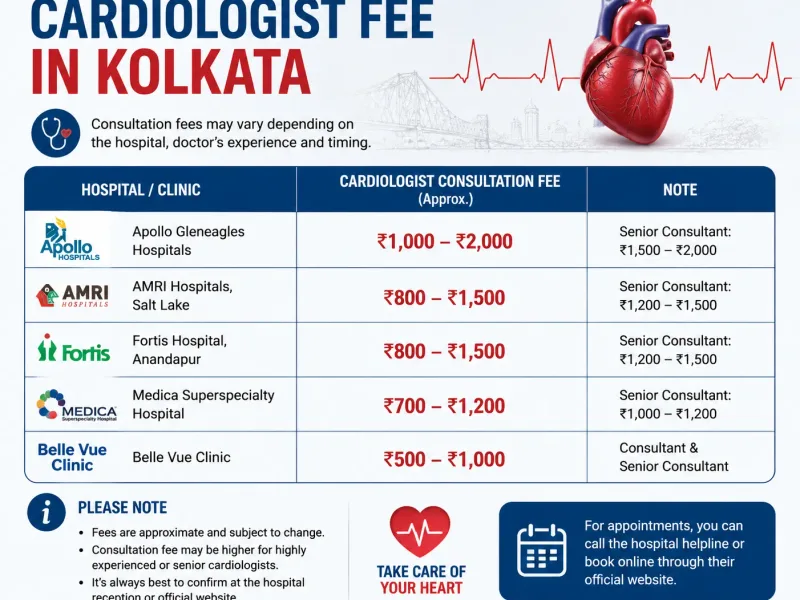
Learn about cardiologist fee in Kolkata, consultation charges, factors affecting costs, and tips to choose the right heart specialist.
May 29, 2026
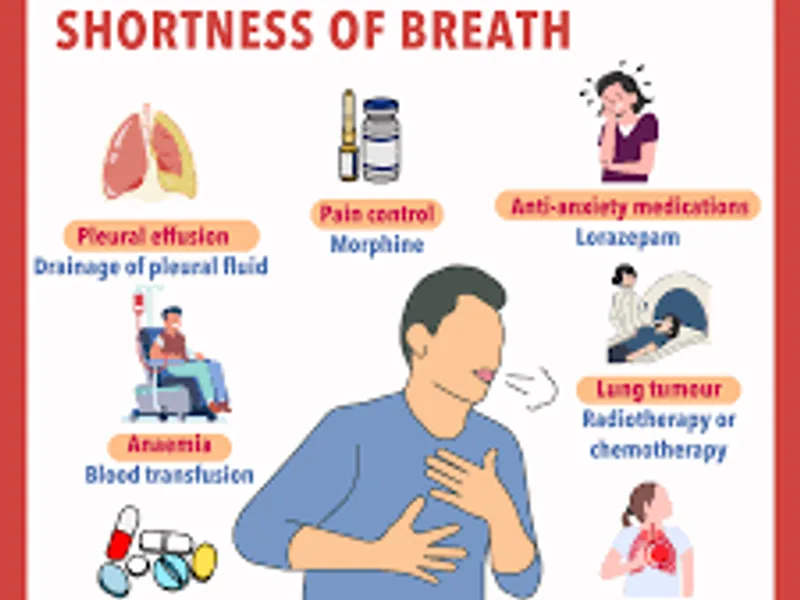
A simple guide to the best shortness of breath specialist in Kolkata, including causes, symptoms, treatment options, and expert medical advice.
May 29, 2026

Find the best chest pain doctor in Kolkata. Learn causes, symptoms, tests, and treatment options from top heart specialists in simple English.
May 29, 2026