

Emergency & Help
24/7 Emergency & General Advisory
🚨 24/7 Medical Emergency
Non-Emergency Advisory
10:00 AM – 6:00 PM, Mon–Sat
For appointments & general queries.
24/7 Emergency & General Advisory
🚨 24/7 Medical Emergency
Non-Emergency Advisory
10:00 AM – 6:00 PM, Mon–Sat
For appointments & general queries.
Explore Humana's Medicare Advantage (Part C) plans, including HMO, PPO, and SNP options. Learn about coverage, costs, prescription drug plans, and how to enroll.

Choosing the right Medicare plan can feel like navigating a maze, especially with so many options available. For many seniors in India and around the world, understanding Medicare Advantage (Part C) plans is a key step towards comprehensive healthcare coverage. Humana, a well-established name in health insurance, offers a variety of Medicare Advantage plans designed to meet diverse needs. This guide will break down what these plans are, what they typically cover, and how you can make an informed decision. What is Medicare Advantage? Original Medicare, as you might know, consists of Part A (hospital insurance) and Part B (medical insurance). Medicare Advantage plans, also known as Part C, are an alternative way to receive your Medicare Part A and Part B benefits. These plans are offered by private insurance companies, like Humana, that are approved by Medicare. A crucial point is that Medicare Advantage plans must offer at least the same coverage as Original Medicare. However, many go a step further, bundling additional benefits such as: Prescription drug coverage (Part D) Dental care Vision care Hearing services Fitness programs (like SilverSneakers) Wellness services This bundling can simplify your healthcare management by consolidating different types of coverage under one plan and often one insurance provider. Types of Humana Medicare Advantage Plans Humana offers several types of Medicare Advantage plans, each with its own structure and potential benefits. The most common types include: Health Maintenance Organization (HMO) Plans HMO plans are a popular choice for many, often offering lower monthly premiums and a range of extra benefits. A defining feature of HMOs is the requirement to choose a primary care physician (PCP). Your PCP acts as your main point of contact for healthcare and coordinates your care. If you need to see a specialist, you will generally need a referral from your PCP. While this structure helps manage costs, it does mean you have less flexibility in choosing providers outside the plan’s network, except in emergencies. However, you are typically covered for services within the Humana network, and for emergency or urgent care nationwide. Preferred Provider Organization (PPO) Plans PPO plans offer more flexibility than HMOs. With a PPO, you have the freedom to see any Medicare-approved doctor or specialist without needing a referral from a PCP. You can also go out-of-network, but you’ll usually pay more for those services. PPO plans often include the same extra benefits as HMOs, such as dental, vision, and hearing, but they might come with higher premiums or out-of-pocket costs compared to HMOs. The trade-off for this greater freedom is often a slightly higher price point. Special Needs Plans (SNPs) Humana also offers Special Needs Plans (SNPs). These plans are designed for specific groups of people with unique healthcare needs. For example, there are SNPs for individuals with certain chronic conditions (like diabetes or heart failure), those who are eligible for both Medicare and Medicaid, or those who live in certain facilities. SNPs tailor benefits, provider choices, and drug formularies to best meet the specific needs of their members. Private Fee-for-Service (PFFS) Plans While less common now, some PFFS plans allow you to see any Medicare-approved provider who agrees to accept the plan's terms. You generally don't need referrals, and you can use providers both in and out of the plan's network, though out-of-network care may cost more. Understanding Costs and Coverage The costs associated with Humana Medicare Advantage plans can vary significantly based on the specific plan, your location, and the benefits included. Here’s a general breakdown of what to consider: Premiums Most Medicare Advantage plans have a monthly premium. Some plans have a $0 premium, meaning you only pay your Part B premium. Others may have a monthly premium in addition to your Part B premium. Many plans offer prescription drug coverage, dental, vision, and hearing benefits, which can influence the premium cost. Copayments and Coinsurance When you receive medical services, you’ll typically pay a copayment (a fixed amount) or coinsurance (a percentage of the cost) for doctor visits, hospital stays, and other services. These amounts differ from plan to plan and often vary based on the type of service. Deductibles Some plans may have deductibles, which is the amount you pay out-of-pocket before your insurance starts to cover costs. However, many Medicare Advantage plans have no deductibles for medical services, and some even have $0 deductibles for prescription drugs. Out-of-Pocket Maximum A vital protection offered by Medicare Advantage plans is an annual out-of-pocket maximum. This is the most you will have to pay for covered healthcare services in a plan year. Once you reach this limit, the plan pays 100% of the costs for your covered benefits for the rest of the year. This provides a crucial safety net against unexpectedly high medical expenses. Humana's Prescription Drug Plans (Part D) Many Humana Medicare Advantage plans include prescription drug coverage. For those who need stand-alone prescription drug coverage or want to supplement Original Medicare, Humana offers three Part D plans: Humana Value Rx Plan: This plan is a cost-effective option, particularly for generic medications. You might find you have no copay for certain tiers of prescriptions at preferred pharmacies, and there might be no deductibles for these drugs. Humana Premier Rx Plan: This is Humana's most comprehensive Part D plan, covering a wide range of prescription drugs with a $0 deductible. It offers extensive drug coverage for those with multiple medication needs. Humana Basic Rx Plan: This plan provides basic prescription drug coverage and access to a preferred mail-order pharmacy. It can be a good choice, especially if you qualify for the Extra Help program, which can cover the entire premium. It's important to note that starting in 2025, all Part D plans have an out-of-pocket maximum for prescription drugs, which is set to rise slightly in 2026. This cap ensures that beneficiaries do not face excessively high drug costs throughout the year. Humana's Medigap Plans In addition to Medicare Advantage, Humana also offers Medicare Supplement Insurance, commonly known as Medigap plans. These plans work alongside Original Medicare (Parts A and B) to help cover some of the healthcare costs that Original Medicare doesn't cover, such as: Copayments Coinsurance Deductibles Medigap plans can be beneficial if you prefer the flexibility of Original Medicare but want help managing the associated out-of-pocket expenses. However, you cannot have both a Medicare Advantage plan and a Medigap plan at the same time. When to Consider Humana Medicare Advantage Humana's Medicare Advantage plans might be a good fit for you if: You are looking for a single plan that bundles medical, prescription drugs, and potentially dental, vision, and hearing coverage. You prefer a predictable monthly cost and an out-of-pocket maximum to protect against high medical bills. You are comfortable choosing a primary care physician and getting referrals for specialists (for HMO plans) or you value the flexibility of seeing any provider (for PPO plans). You want access to additional benefits like fitness programs or wellness resources. Consider this scenario: Mrs. Sharma, a 70-year-old retired teacher living in Delhi, recently became eligible for Medicare. She has managed her diabetes for years and takes several medications daily. She also needs regular dental check-ups. She's feeling overwhelmed by the choices and wonders if Original Medicare is enough. After researching, she learns that a Humana Medicare Advantage plan with a $0 premium and included dental and prescription drug coverage could significantly reduce her out-of-pocket expenses and simplify her healthcare management. How to Enroll or Learn More The best way to find out which Humana Medicare Advantage plans are available in your specific area and to understand their exact costs and benefits is to: Visit Medicare.gov: Use the official Medicare Plan Finder tool. You’ll need your ZIP code and county to see all available plans, including those offered by Humana. Contact Humana Directly: Visit the Humana website or call their member services number. They can provide detailed plan documents, answer your questions, and guide you through the enrollment process. Consult a Licensed Insurance Broker: A broker who specializes in Medicare can help you compare Humana plans with those from other insurance providers to find the best fit for your needs and budget. Important Note: Enrollment in Medicare Advantage plans is typically limited to specific periods, such as the Annual Election Period (AEP) from October 15 to December 7, or the Initial Coverage Election Period (ICEP) when you first become eligible for Medicare. Frequently Asked Questions (FAQ) Q1: Can I have both a Medicare Advantage plan and Original Medicare? You can have Original Medicare (Parts A and B) and a Medicare Advantage plan. In fact, Medicare Advantage plans are required to cover everything Original Medicare covers. However, you cannot have both a Medicare Advantage plan and a Medicare Supplement (Medigap) plan at the same time. Q2: What happens if I move? Medicare Advantage plans are specific to geographic areas. If you move out of your plan's service area, you may need to enroll in a new plan. There are usually Special Enrollment Periods available
In summary, timely diagnosis, evidence-based treatment, and prevention-focused care improve long-term health outcomes.
Visit Hospital
Near You

Looking for a trusted urology clinic in Malda? This guide explains common urinary problems, when to see a doctor, and what treatment options are available so you can make informed decisions about your health.
May 20, 2026
Explore the state-of-the-art facilities, advanced treatments, and commitment to accessible healthcare at AIIMS Gorakhpur.
April 18, 2026
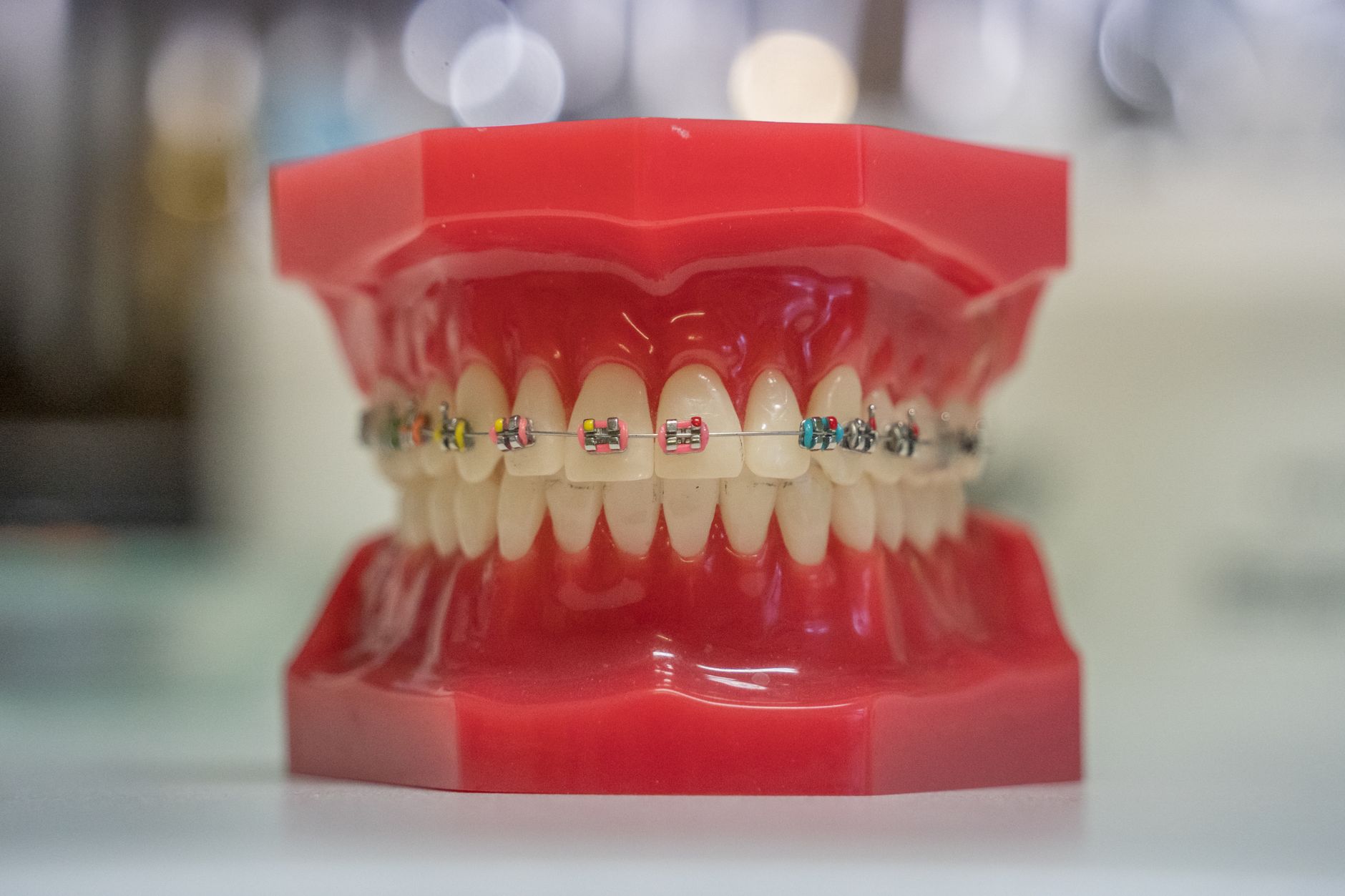
Learn about orthodontic headgear: its purpose, types, how it works, and what parents and teens need to know about treatment for severe bite and jaw alignment issues.
April 1, 2026