

Emergency & Help
24/7 Emergency & General Advisory
🚨 24/7 Medical Emergency
Non-Emergency Advisory
10:00 AM – 6:00 PM, Mon–Sat
For appointments & general queries.
24/7 Emergency & General Advisory
🚨 24/7 Medical Emergency
Non-Emergency Advisory
10:00 AM – 6:00 PM, Mon–Sat
For appointments & general queries.
Squats and leg presses are both excellent for leg day, but they differ in muscle engagement, benefits, and risks. Learn which one is best for your fitness goals.

Deciding how to best target your leg muscles on workout day can feel like a puzzle. Two of the most popular exercises for building lower body strength and muscle are squats and leg presses. Both are fantastic for developing your quadriceps, hamstrings, and glutes, but they work these muscles in slightly different ways and come with their own unique benefits and potential drawbacks. So, which one should you choose? The answer isn't a simple one-size-fits-all. It truly depends on your personal fitness goals, your current fitness level, and what you want to achieve from your training. We're going to break down both squats and leg presses, looking at how they differ, the specific muscles they engage, their advantages, and the risks involved. By the end, you'll have a clearer picture to help you make an informed decision for your next leg workout. Understanding the Key Differences At their core, both squats and leg presses are designed to strengthen the muscles in your legs. However, the way you perform them and the equipment required create significant distinctions. Leg Presses: The Machine-Assisted Approach The leg press is performed on a dedicated machine. You sit with your back supported by a padded rest, your feet placed on a platform, and your knees bent. To execute the movement, you push the platform away by straightening your legs, then control the weight as you return your knees to the bent position. This seated position offers stability, allowing you to focus primarily on your leg muscles without needing to engage your core or balance as much as you would with free-weight exercises. How it works: You push weight away using your leg muscles, then control its return. Your back remains supported throughout, and you can often adjust your foot placement on the platform to emphasize different leg muscles. For example, placing your feet higher can target your hamstrings and glutes more, while a lower foot placement tends to focus more on the quadriceps. Squats: The Free-Weight Foundation Squats, on the other hand, are typically performed using free weights like barbells or dumbbells, or even just your body weight. The most common variation involves standing with your feet flat on the floor, a weight placed across your upper back or shoulders (for barbell squats), and then bending your knees to lower your body as if you were sitting into a chair. You then push back up to the starting position. This movement requires significant balance and coordination, engaging a much wider range of muscles. How it works: You lower your body by bending your knees and hips, maintaining an upright posture and a stable core, then drive back up. The challenge comes from controlling your body's movement against gravity and the added resistance. There are numerous squat variations, including front squats, goblet squats, and sumo squats, each offering slightly different muscle activation and challenges. Muscles Worked: Where the Magic Happens Both exercises are powerhouses for lower body development, but they don't target muscles identically. Quadriceps (Quads): These are the large muscles at the front of your thighs. Both leg presses and squats are excellent for building quad strength and size. However, the standard leg press, especially with a lower foot placement, can place a slightly greater emphasis on the quads due to the machine's mechanics and limited range of motion compared to some squat variations. Hamstrings: Located at the back of your thighs, hamstrings are crucial for knee flexion and hip extension. Squats, particularly deeper variations and those with a higher foot placement on the leg press, tend to engage the hamstrings more effectively than a standard leg press. This is because squats involve a greater degree of hip extension. Glutes: Your gluteal muscles (buttocks) are primary movers in both exercises, especially during the upward push phase. Deeper squats and leg presses with a higher foot placement will typically recruit more gluteal activity. The overall range of motion in squats often leads to greater glute activation compared to a standard leg press. Other Engaging Muscles: This is where squats truly shine. Because you're standing and balancing your entire body, squats naturally recruit more stabilizing muscles. This includes: Core Muscles: Your abdominal and lower back muscles work hard to keep your torso stable and upright throughout the movement. Calves: Your calf muscles assist in maintaining balance and driving through the final part of the movement. Hips: The hip flexors and other hip muscles are heavily involved, especially in achieving depth. Leg presses, with the back support, reduce the need for significant core and stabilizing muscle engagement. The movement is primarily isolated to the legs. Pros and Cons: Weighing Your Options Every exercise has its strengths and weaknesses. Understanding these can help you tailor your workout effectively. Leg Press Pros: Muscle Isolation: Allows you to focus intensely on your leg muscles without significant strain on your back or core. Machine Support: The stable machine provides a safety net, reducing the risk of falling or losing balance, especially for beginners. Adjustable Emphasis: Foot placement can be adjusted to target quads, hamstrings, or glutes more specifically. Less Technical: Generally easier to learn and perform correctly compared to free-weight squats. Leg Press Cons: Limited Functional Strength: Doesn't translate as directly to real-life activities that require balance and full-body coordination. Risk of Knee Injury: Locking your knees at the top of the movement or using excessive weight can put significant stress on your knee joints. Potential for Back Rounding: If you overload the machine, your lower back can lift off the seat, leading to potential injury. Requires Specific Machine: You need access to a leg press machine, limiting your workout options if you're training at home or in a poorly equipped gym. Imbalanced Muscle Development: The machine might allow one leg to do more work than the other without you realizing it, potentially leading to imbalances. Squat Pros: Full-Body Engagement: Works quads, hamstrings, glutes, core, back, and stabilizing muscles simultaneously. Functional Strength: Mimics everyday movements like sitting, standing, and lifting, leading to better overall functional fitness. Improved Balance and Coordination: Enhances your body's ability to control movement. Greater Muscle Activation: Tends to activate more muscle fibers, potentially leading to greater strength and muscle growth over time. Versatility: Can be performed with various equipment (barbells, dumbbells, kettlebells, bodyweight) and in many variations. Potential for Increased Flexibility: Can help improve flexibility in the hips and knees when performed with proper form and depth. Squat Cons: Higher Risk of Injury (if done incorrectly): Poor form, especially with free weights, can lead to back, knee, or hip injuries. Technically Demanding: Requires proper form and technique, which may take time and practice to master. Requires Balance: Less stable than the leg press, demanding good balance and proprioception. May Need Spotter: For heavier weights, a spotter or safety rack is recommended for safety. Can be Intimidating: Beginners might find free-weight squats daunting. Real-Life Scenario: The Office Worker's Dilemma Imagine Priya, a software engineer who spends 8-9 hours a day sitting at her desk. She wants to build stronger legs and improve her posture. She goes to the gym twice a week. One day, she feels a twinge in her lower back after a heavy set of squats. The next week, she decides to stick to the leg press machine, focusing on controlled movements. While she feels a good burn in her quads, she wonders if she's missing out on the core benefits squats offer for her posture. Which Exercise is Right for You? The best choice depends entirely on your goals and circumstances: For Beginners or those with Lower Back Issues: The leg press can be a safer starting point. Its stability allows you to focus on building foundational leg strength without the high technical demands and balance required for squats. Always start with lighter weights and focus on controlled movement. For Building Overall Functional Strength and Muscle Mass: Squats are generally considered superior. Their full-body engagement means you're getting more bang for your buck, improving not just your legs but also your core stability and coordination. For Isolating Specific Leg Muscles: Both exercises allow for some isolation. Leg presses offer easy adjustment via foot placement. Squats can be modified with variations (e.g., front squats for quads, deficit deadlifts which share similarities with squats for hamstrings/glutes) to shift emphasis. For Athletes: Athletes often incorporate both. Squats build the foundational strength and power, while leg presses can be used to add volume and target specific muscle groups without taxing the entire system as much. A common recommendation is to include both in your routine, perhaps prioritizing squats when you're fresh and using leg presses later in the workout to add volume or focus on specific muscles without the same systemic fatigue. When to Consult a Doctor or Physical Therapist Before starting any new exercise program, especially if you have pre-existing health conditions, it's wise to consult a healthcare professional. If you experience persistent pain during or after exercises like squats or leg presses, seek advice from a doctor or a
In summary, timely diagnosis, evidence-based treatment, and prevention-focused care improve long-term health outcomes.
Visit Hospital
Near You

Learn essential dynamic and static stretches for your inner thighs to improve flexibility, prevent injuries, and reduce muscle tension. Perfect for Indian readers seeking practical advice.
April 1, 2026

Discover simple yet effective glute stretches to relieve tightness, reduce back pain, and improve your mobility. Learn how to perform them safely at home or at your desk.
April 1, 2026
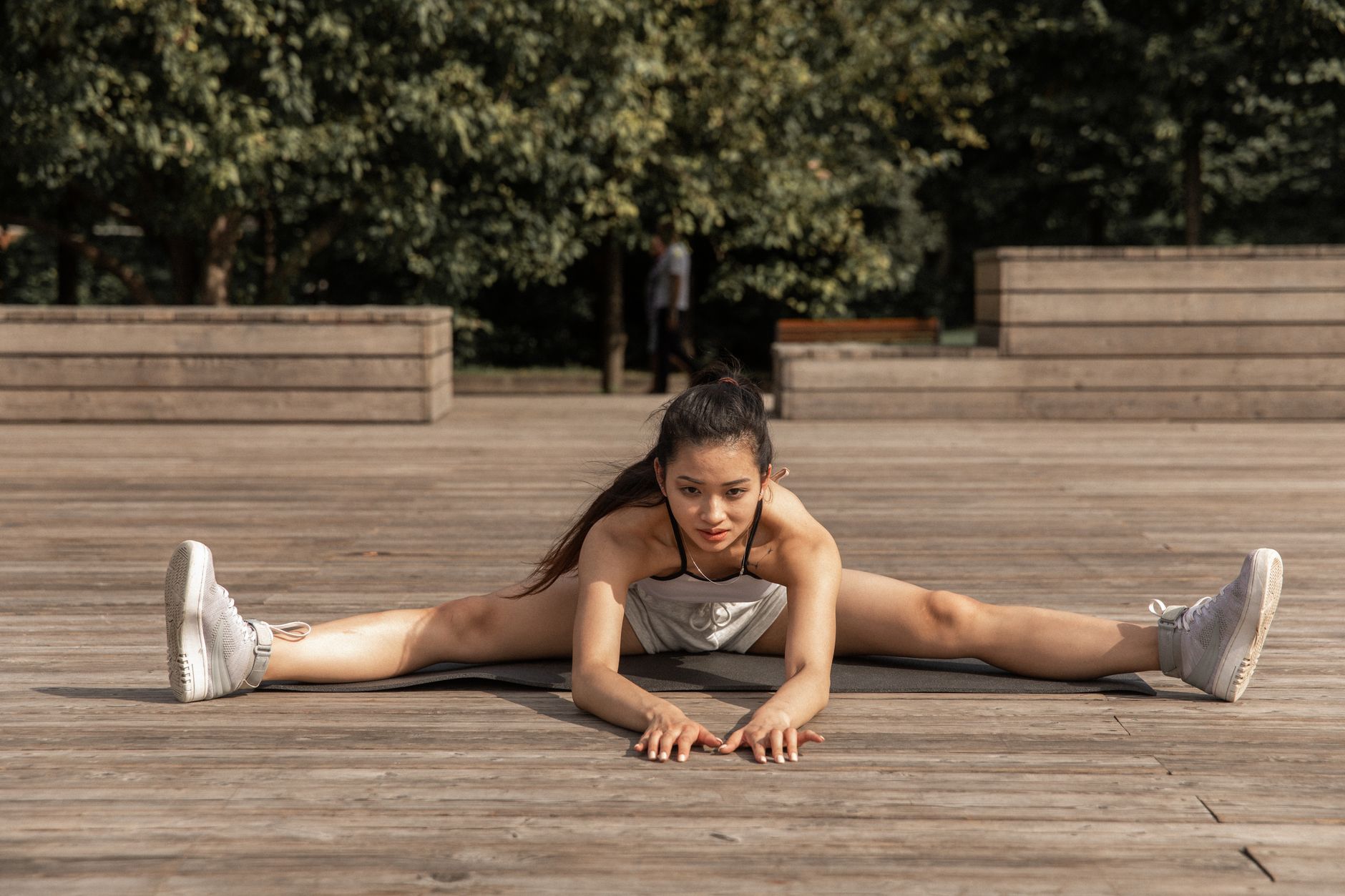
Discover 6 effective gluteus medius stretches to relieve hip pain, improve flexibility, and prevent injuries. Learn simple techniques for better hip health.
April 1, 2026