

Emergency & Help
24/7 Emergency & General Advisory
🚨 24/7 Medical Emergency
Non-Emergency Advisory
10:00 AM – 6:00 PM, Mon–Sat
For appointments & general queries.
24/7 Emergency & General Advisory
🚨 24/7 Medical Emergency
Non-Emergency Advisory
10:00 AM – 6:00 PM, Mon–Sat
For appointments & general queries.
Stay updated with our latest healthcare news and your appointments.
Learn about the accuracy, procedure, and interpretation of alcohol breath tests (breathalyzers) for driving safety in India. Understand BAC levels and the risks of impaired driving.

Driving under the influence of alcohol is a serious concern globally, and India is no exception. While specific laws and enforcement mechanisms might differ, the principle of preventing drunk driving remains paramount for public safety. Alcohol breath tests, commonly known as breathalyzers, are a crucial tool used by law enforcement to measure a person's Blood Alcohol Content (BAC). This article delves into the accuracy, procedure, and interpretation of results from alcohol breath tests, with a focus on their relevance and implications for readers in India.
A Blood Alcohol Content (BAC) test measures the amount of alcohol present in a person's bloodstream. This is typically done through a breathalyzer, a device that analyzes the alcohol content in exhaled breath. The results are expressed as a percentage, indicating the grams of alcohol per 100 milliliters of blood. In India, while specific BAC limits for driving may vary by state and are subject to interpretation under the Motor Vehicles Act, driving with a BAC above a certain threshold is an offense. The primary goal is to ensure that individuals are not impaired to the point where their driving ability is compromised, thereby preventing accidents and saving lives.
Alcohol is a central nervous system depressant. When consumed, it is rapidly absorbed into the bloodstream through the stomach and small intestine. The liver then metabolizes, or processes, the alcohol. However, the rate at which the liver can process alcohol is limited. When alcohol consumption exceeds the liver's metabolic capacity, BAC levels rise, leading to various impairments:
These impairments significantly increase the risk of accidents, especially when operating a vehicle. The legal BAC limits are set to define a level at which these impairments are considered too dangerous for driving.
Alcohol breath tests, particularly those used by law enforcement, generally follow a standardized procedure to ensure accuracy and admissibility of results. While specific device models may differ, the core steps are similar:
Important Considerations for Accuracy:
The accuracy of alcohol breath tests can vary significantly, particularly between law enforcement-grade devices and personal, at-home breathalyzers.
Breathalyzers used by police are typically high-quality, calibrated instruments designed for accuracy. However, even these devices are not infallible. Factors that can influence their accuracy include:
Studies have shown that while professional devices generally have a high accuracy rate (often 90% or above), a margin of error can still exist. This is why legal challenges to BAC results sometimes occur.
Personal breathalyzers are widely available for consumers who wish to check their own BAC levels. While convenient, their accuracy can be a major concern:
The danger with inaccurate personal breathalyzers is that they can provide a false sense of security. A reading that suggests you are below the legal limit might be inaccurate, leading you to drive when you are actually impaired. Conversely, a false high reading could cause unnecessary anxiety.
The numerical BAC reading is the key output of the test. Understanding what these numbers mean is vital:
Note: The exact legal BAC limit in India can be complex and subject to interpretation under the Motor Vehicles Act and specific state rules. It is always best to err on the side of caution and avoid driving after consuming any alcohol.
While breathalyzers are primarily used for legal and safety purposes related to driving, understanding alcohol's impact on health is also important. Consult a doctor if you:
A doctor can provide guidance on responsible drinking, assess for alcohol dependence, and offer treatment options if needed.
The most effective way to avoid issues related to alcohol breath tests and drunk driving is through responsible alcohol consumption and proactive planning:
Yes, some substances can temporarily affect breathalyzer readings. Mouthwash containing alcohol can give a false high reading if used immediately before a test. Certain foods, especially those with high sugar content or that linger in the mouth, might also cause minor fluctuations. This is why the waiting period after the last drink or oral hygiene practice is crucial.
Alcohol is metabolized at a relatively constant rate, typically about one standard drink per hour. However, this can vary based on factors like body weight, metabolism, gender, and food intake. A breathalyzer measures the alcohol currently in your breath, reflecting your BAC at that moment, not how long it will take to clear your system entirely.
Generally, no. While they can give you an indication, home breathalyzers often have a higher margin of error and lower sensitivity compared to police-grade devices. Relying solely on a home breathalyzer to decide if you are safe to drive can be dangerous. It is always safer to avoid driving altogether after consuming alcohol.
Penalties for drunk driving in India can be severe and include hefty fines, imprisonment, and suspension of driving licenses, as per the Motor Vehicles Act. The specific penalties can vary based on the severity of the offense and previous convictions.
In rare cases, certain medical conditions like uncontrolled diabetes (leading to ketosis) or specific lung diseases might theoretically affect breathalyzer readings. However, modern, properly calibrated devices are designed to minimize such interference. If you have a medical condition and are concerned, discuss it with your doctor and the law enforcement officer administering the test.
Alcohol breath tests are vital tools for ensuring road safety by detecting impaired drivers. Understanding how these tests work, their potential inaccuracies (especially with personal devices), and the importance of responsible drinking is crucial for everyone. In India, as elsewhere, the message is clear: if you drink, do not drive. Planning ahead and prioritizing safety is the only responsible choice.
Visit Hospital
Near You
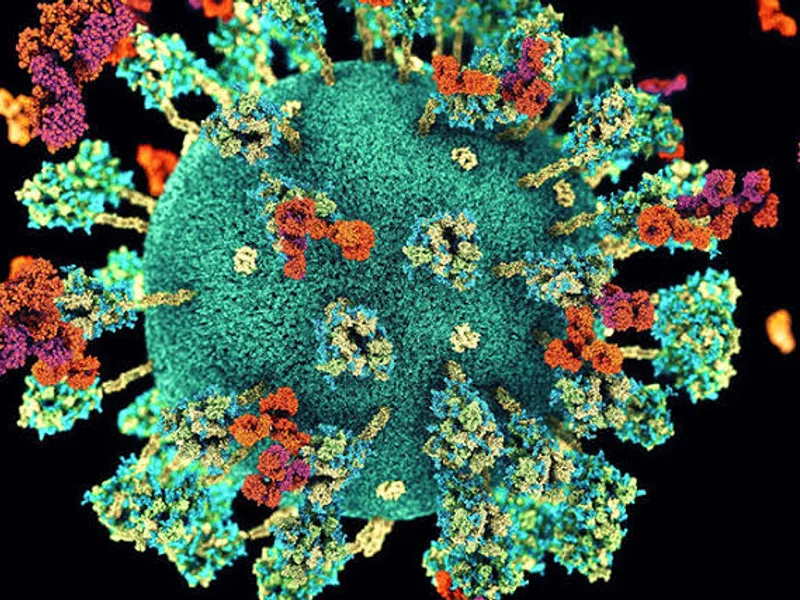
For years, long COVID had no proven treatment — only symptom management. That changed in July 2026, when UCL researchers published trial results showing a structured cognitive rehabilitation program produced lasting improvement in long COVID brain fog. This piece explains what the trial found, how i
July 23, 2026
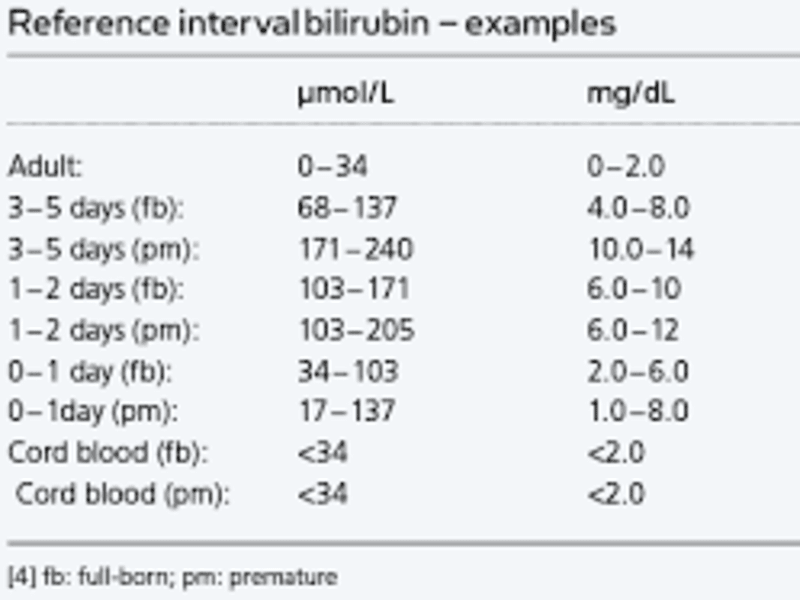
Bilirubin levels help assess liver health. This guide explains normal bilirubin values, types, causes of abnormal levels, symptoms, and when to seek medical advice.
April 11, 2026

Learn how to properly clean and care for your new ear piercing to ensure it heals beautifully and avoid infection. Follow our step-by-step guide for optimal results.
April 1, 2026