

Emergency & Help
24/7 Emergency & General Advisory
🚨 24/7 Medical Emergency
Non-Emergency Advisory
10:00 AM – 6:00 PM, Mon–Sat
For appointments & general queries.
24/7 Emergency & General Advisory
🚨 24/7 Medical Emergency
Non-Emergency Advisory
10:00 AM – 6:00 PM, Mon–Sat
For appointments & general queries.
Stay updated with our latest healthcare news and your appointments.
Are bidets a hygienic choice? Explore the science behind bidet use, potential health risks, and essential tips for safe and sanitary operation in your Indian home.

The humble bidet. For many in India, it’s a familiar sight, a staple in bathrooms across the country, synonymous with a clean feeling after using the toilet. Globally, bidets have seen a surge in popularity, with claims of environmental friendliness and superior hygiene. But as we embrace this water-based cleaning method, a critical question emerges: Are bidets truly as sanitary as they claim to be? Let's dive deep into the science, the potential risks, and the best practices to ensure your bidet experience is both refreshing and safe.
At its core, a bidet is a bathroom fixture designed to wash your private parts with a stream of water after you've finished using the toilet. Think of it as a targeted shower for your nether regions. They’ve been a common fixture in many homes across Asia, South America, and Europe for ages, and their presence is steadily growing in Indian households too. The allure is understandable: less reliance on toilet paper, a feeling of enhanced cleanliness, and perceived environmental benefits.
This is where things get a bit murky. While the idea of washing with water seems inherently cleaner than wiping with dry paper, the reality is more nuanced. The primary concern revolves around the potential for bacteria and other pathogens to reside in the bidet's nozzle. Studies, particularly those conducted in settings where bidets are shared among many users, like hospitals, have raised flags.
A notable study from a Japanese university hospital in 2017 found that a significant number of bidet toilets (254 out of 292) were contaminated with common bacteria such as Staphylococcus aureus, Streptococcus spp., and Enterococcus spp.. This doesn't automatically mean everyone using these bidets got infected, but it does highlight a potential reservoir for germs.
For individuals with vaginas, this is particularly important. The delicate balance of bacteria in the vaginal ecosystem, primarily Lactobacillus, plays a vital role in warding off infections like bacterial vaginosis. Introducing external bacteria through a contaminated bidet nozzle could potentially disrupt this natural defense system.
Furthermore, a 2019 study indicated a possible link between regular bidet use and premature birth in pregnant women deemed
This section adds practical context and preventive advice to help readers make informed healthcare decisions. It is important to verify symptoms early, consult qualified doctors, and avoid self-medication for persistent health issues.
Maintaining healthy routines, following prescribed treatment plans, and attending regular checkups can improve outcomes. If symptoms worsen or red-flag signs appear, immediate medical evaluation is recommended.
Track symptoms and duration.
Follow diagnosis and treatment from a licensed practitioner.
Review medication side effects with your doctor.
Seek urgent care for severe warning signs.
Visit Hospital
Near You
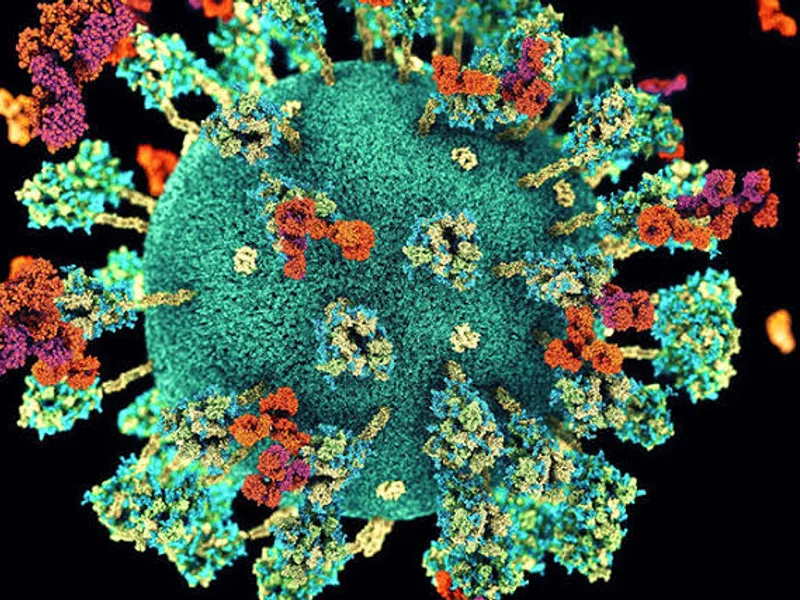
For years, long COVID had no proven treatment — only symptom management. That changed in July 2026, when UCL researchers published trial results showing a structured cognitive rehabilitation program produced lasting improvement in long COVID brain fog. This piece explains what the trial found, how i
July 23, 2026
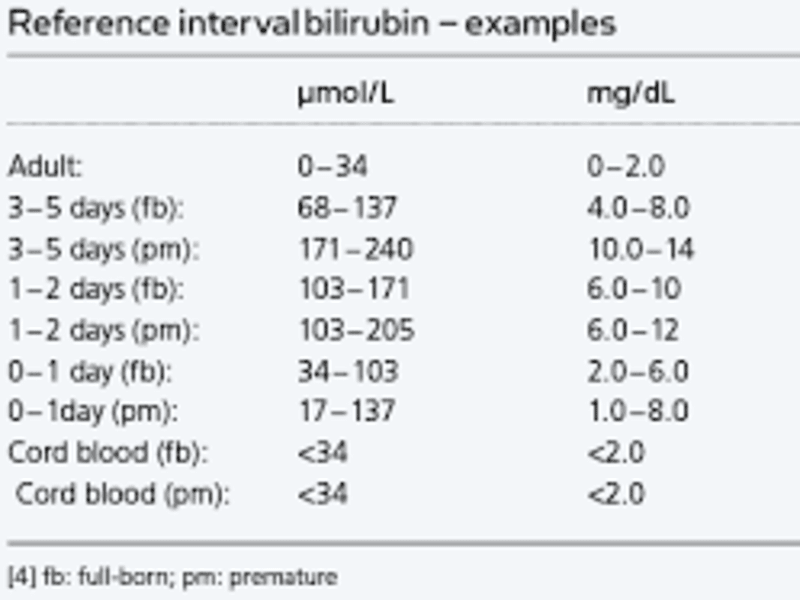
Bilirubin levels help assess liver health. This guide explains normal bilirubin values, types, causes of abnormal levels, symptoms, and when to seek medical advice.
April 11, 2026

Learn how to properly clean and care for your new ear piercing to ensure it heals beautifully and avoid infection. Follow our step-by-step guide for optimal results.
April 1, 2026