

Emergency & Help
24/7 Emergency & General Advisory
🚨 24/7 Medical Emergency
Non-Emergency Advisory
10:00 AM – 6:00 PM, Mon–Sat
For appointments & general queries.
24/7 Emergency & General Advisory
🚨 24/7 Medical Emergency
Non-Emergency Advisory
10:00 AM – 6:00 PM, Mon–Sat
For appointments & general queries.
Stay updated with our latest healthcare news and your appointments.
Learn about the safe temperatures needed to kill bacteria in water and food, protecting your family from illness. Practical tips for Indian households.
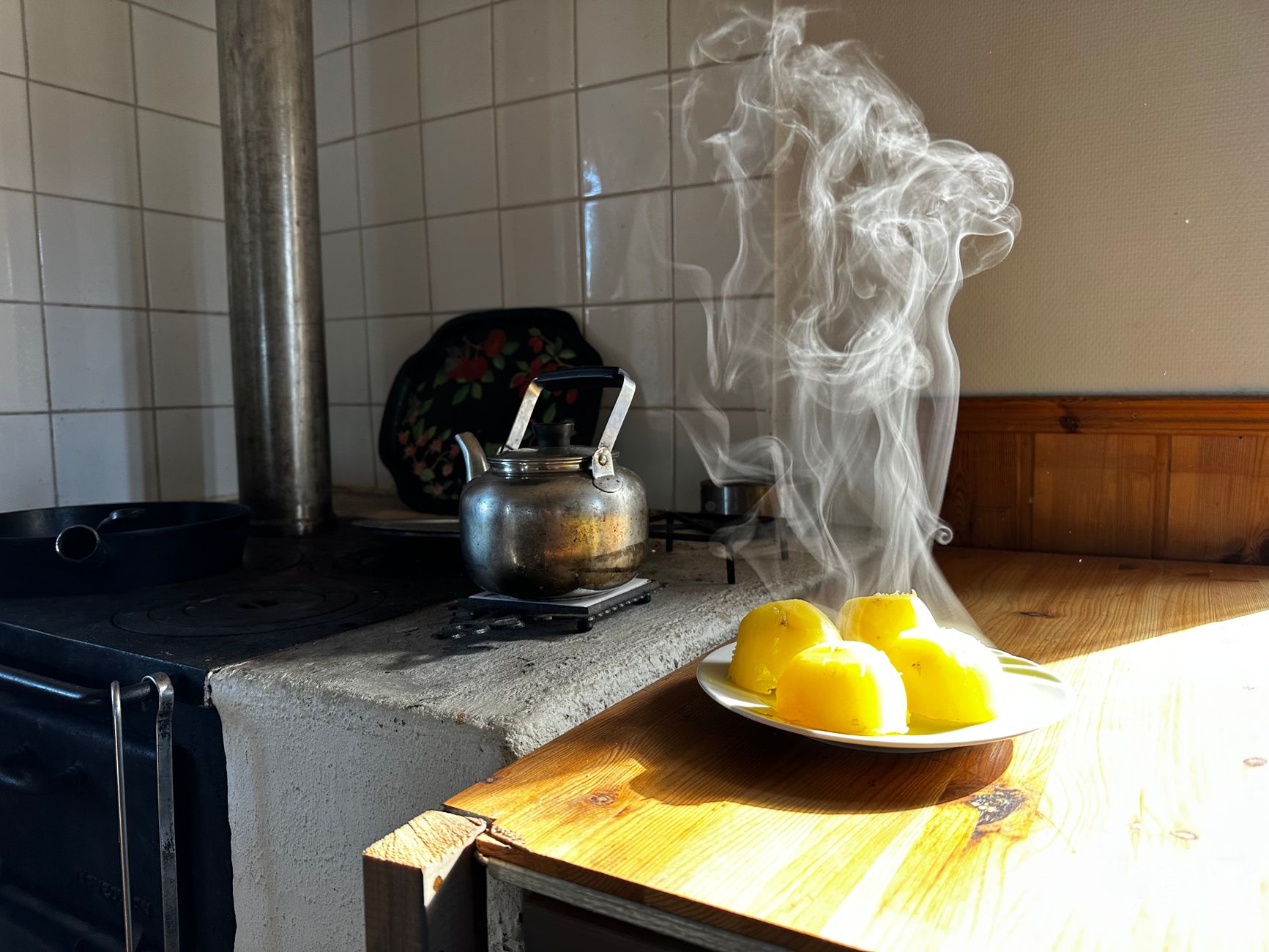
We often hear about the importance of cooking food thoroughly and boiling water to stay healthy. But have you ever wondered exactly what temperatures are needed to make sure harmful bacteria are gone? Understanding the science behind killing bacteria with heat can empower you to make safer choices in your kitchen and protect yourself and your family from foodborne illnesses. This guide will break down the temperatures that effectively eliminate bacteria from both water and food, along with practical tips for Indian households.
Bacteria are tiny, single-celled organisms that are everywhere – in the soil, in the air, and even inside our bodies. In fact, the number of bacterial cells in our body is estimated to be ten times the number of human cells! While most bacteria are harmless, and some are even beneficial (like those in our gut that help with digestion), certain types, known as pathogenic bacteria, can cause serious illness. These are the ones we need to be concerned about when it comes to food and water safety.
The World Health Organization (WHO) highlights that bacteria are rapidly destroyed at temperatures above 149°F (65°C). This temperature is significantly lower than a full boil. However, for water safety, boiling is still strongly recommended as a foolproof method. For food, reaching specific internal temperatures is key to eliminating harmful bacteria that can cause food poisoning.
Contaminated water can be a source of various illnesses, including gastroenteritis caused by E.coli and certain Vibrio species. While modern water treatment systems in many Indian cities are quite effective, there are situations where water safety might be compromised:
To ensure that any harmful bacteria in your water are eliminated, the Centers for Disease Control and Prevention (CDC) recommends the following simple yet effective method:
If boiling isn't an option, household bleach can be a lifesaver for disinfecting water. Ensure you use a regular, unscented chlorine bleach that is less than a year old and is labeled for disinfection or sanitization. Look for sodium hypochlorite as the active ingredient.
Here’s how to use it:
Bacteria thrive in the “danger zone” – temperatures between 40°F (5°C) and 140°F (60°C). This is where they multiply rapidly. To make food safe to eat, it must be cooked to a specific internal temperature that destroys these harmful organisms. Here are some general guidelines for common foods:
A Real-Life Scenario: Imagine you’re preparing chicken curry for your family. You cook it until it looks done, but you’re unsure about the internal temperature. To be safe, use a food thermometer to check the thickest part of the chicken. If it reads 165°F (74°C), you know it’s safe to serve. If not, continue cooking and check again.
Why is a meat thermometer important? It takes the guesswork out of cooking. Relying solely on appearance can be misleading, as food might look cooked on the outside but remain undercooked inside. A thermometer is a small investment that offers significant protection against foodborne illness.
While temperature is a powerful weapon against bacteria, other practices are equally vital:
Certain individuals are more vulnerable to foodborne illnesses and should be particularly diligent about safe food handling and cooking temperatures. This includes young children, pregnant women, older adults, and people with weakened immune systems (e.g., those undergoing chemotherapy or living with conditions like HIV/AIDS).
Reheating leftovers to the correct internal temperature (165°F or 74°C) kills most harmful bacteria. However, some bacteria produce toxins that can survive even high temperatures. It’s best to consume leftovers promptly and avoid reheating them multiple times.
Relying solely on colour is not a reliable method. For instance, ground beef might turn brown before reaching a safe internal temperature. Using a food thermometer is the most accurate way to ensure meat is cooked safely.
Overall, early action and medically verified advice remain the safest approach.
Visit Hospital
Near You
For years, long COVID had no proven treatment — only symptom management. That changed in July 2026, when UCL researchers published trial results showing a structured cognitive rehabilitation program produced lasting improvement in long COVID brain fog. This piece explains what the trial found, how i
July 23, 2026
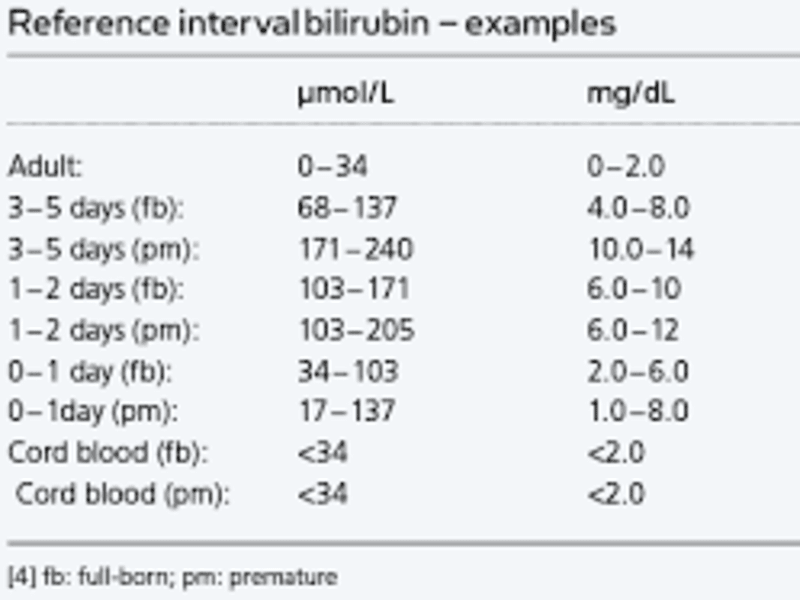
Bilirubin levels help assess liver health. This guide explains normal bilirubin values, types, causes of abnormal levels, symptoms, and when to seek medical advice.
April 11, 2026

Learn how to properly clean and care for your new ear piercing to ensure it heals beautifully and avoid infection. Follow our step-by-step guide for optimal results.
April 1, 2026