

Emergency & Help
24/7 Emergency & General Advisory
🚨 24/7 Medical Emergency
Non-Emergency Advisory
10:00 AM – 6:00 PM, Mon–Sat
For appointments & general queries.
24/7 Emergency & General Advisory
🚨 24/7 Medical Emergency
Non-Emergency Advisory
10:00 AM – 6:00 PM, Mon–Sat
For appointments & general queries.
Stay updated with our latest healthcare news and your appointments.
Learn how to make your own effective fabric face masks at home with simple, no-sew methods. Understand why they are important, how to wear them correctly, and essential care tips.

In the face of evolving public health guidance, particularly concerning respiratory viruses like COVID-19, wearing a face mask has become a common practice for many. While surgical masks and N95 respirators are vital for frontline healthcare workers, the general public can play a role in slowing transmission by opting for cloth face masks. These homemade options are accessible and can contribute significantly to community safety. This guide will walk you through why fabric masks are recommended, who should use them, and crucially, how you can make your own effective mask at home with simple materials.
The primary purpose of a cloth face mask isn't to protect you, the wearer, from contracting a virus. Instead, it's designed to protect the people around you. This concept is known as source control. You might be carrying a virus and be contagious without showing any symptoms (asymptomatic or pre-symptomatic). A fabric mask acts as a barrier, catching respiratory droplets that are expelled when you talk, cough, or sneeze, thus reducing the spread to others. By wearing a mask, you're demonstrating care for your community and helping to preserve essential medical supplies for those who need them most.
Fabric face masks are recommended for the general public when physical distancing is difficult to maintain, especially in crowded indoor or outdoor settings. However, there are specific considerations:
Always remember that a face mask is just one part of a comprehensive prevention strategy. It does not replace the need for physical distancing, frequent handwashing, and avoiding crowded places.
Proper hygiene is paramount, both before putting on and after taking off your mask. Follow these steps diligently:
You don't need to be a seamstress to create an effective cloth face mask. Here are two popular methods that require minimal materials and no sewing skills:
This is one of the quickest ways to fashion a mask. You'll need:
Instructions:
For Extra Protection: You can insert a disposable filter (like a coffee filter or a piece of paper towel) or an extra layer of fabric between the folds of the mask for added filtration.
This method uses an old T-shirt and scissors.
Instructions:
Tip: Ensure the mask covers both your nose and mouth completely. You can trim or adjust the ties for a secure fit.
The effectiveness of your mask depends heavily on how you wear and handle it. Follow these guidelines:
Regular cleaning is essential to keep your mask effective and hygienic.
While fabric masks are beneficial for many, they are not suitable for everyone. As mentioned earlier, avoid using them for children under 2 years old or individuals with respiratory distress. If you experience any difficulty breathing while wearing a mask, remove it immediately and consult a healthcare professional.
Remember, face masks are part of a layered approach to safety. Continue practicing these essential habits:
Homemade fabric masks can provide a barrier against respiratory droplets, helping to reduce transmission. While they may not offer the same level of filtration as medical-grade masks, they are a valuable tool for source control when used correctly and consistently.
Yes, fabric masks are designed to be reused. The key is to wash them thoroughly after each use in hot water with detergent and dry them on a high-heat setting.
Densely woven cotton fabrics, like those found in T-shirts or quilting cotton, are generally recommended. Multiple layers (at least two) can improve filtration. Avoid stretchy or loosely woven materials.
It's best to wash your mask after every single use. If you are out in public for an extended period, consider bringing a spare clean mask with you.
Beards can interfere with the seal of a mask, potentially reducing its effectiveness. If you have a beard, ensure the mask fits as snugly as possible around the edges. For maximum protection, consider shaving or trimming your beard.
Most people do not notice early warning signs right away. That is common. A simple symptom diary, basic routine checks, and timely follow-up visits can prevent small problems from becoming serious.
If you are already on treatment, stay consistent with medicines and lifestyle advice. If your symptoms change, do not guess. Check with a qualified doctor and update your plan early.
Write down symptoms, triggers, and timing for a few days.
Carry old prescriptions and test reports to your consultation.
Ask clearly about side effects, red-flag signs, and follow-up dates.
Seek urgent care for severe pain, breathing trouble, bleeding, fainting, or sudden worsening.
Visit Hospital
Near You
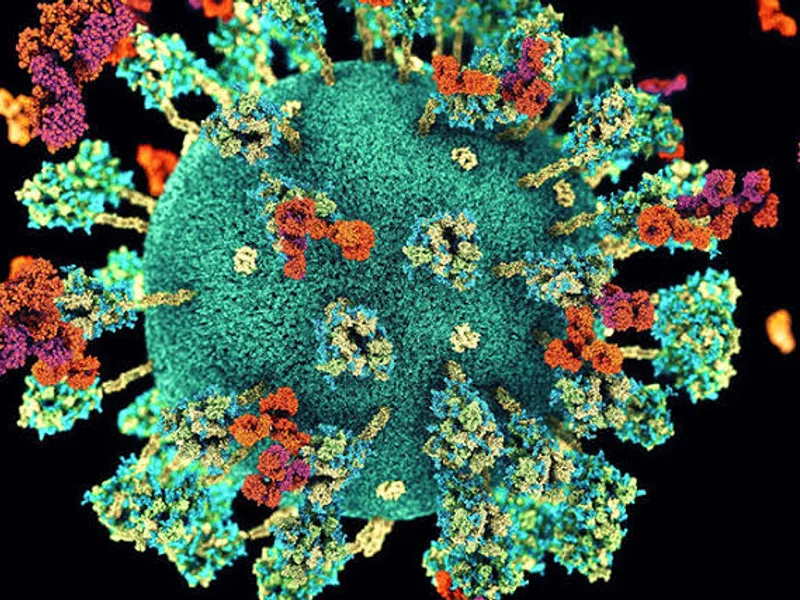
For years, long COVID had no proven treatment — only symptom management. That changed in July 2026, when UCL researchers published trial results showing a structured cognitive rehabilitation program produced lasting improvement in long COVID brain fog. This piece explains what the trial found, how i
July 23, 2026
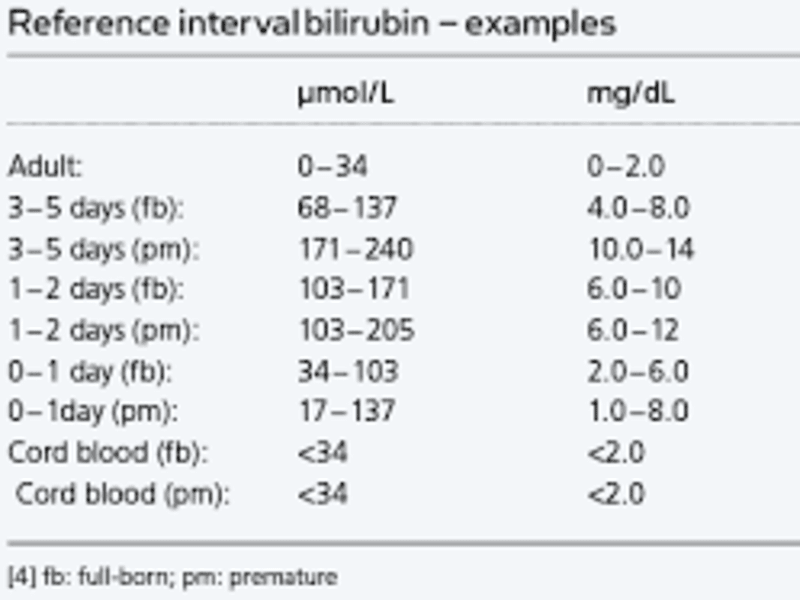
Bilirubin levels help assess liver health. This guide explains normal bilirubin values, types, causes of abnormal levels, symptoms, and when to seek medical advice.
April 11, 2026

Learn how to properly clean and care for your new ear piercing to ensure it heals beautifully and avoid infection. Follow our step-by-step guide for optimal results.
April 1, 2026