

Emergency & Help
24/7 Emergency & General Advisory
🚨 24/7 Medical Emergency
Non-Emergency Advisory
10:00 AM – 6:00 PM, Mon–Sat
For appointments & general queries.
24/7 Emergency & General Advisory
🚨 24/7 Medical Emergency
Non-Emergency Advisory
10:00 AM – 6:00 PM, Mon–Sat
For appointments & general queries.
Stay updated with our latest healthcare news and your appointments.
Explore if teeth whitening strips work for Indian smiles, their effectiveness, ingredients, risks, and when to consult a dentist. Get practical tips for a brighter smile.

Many of us dream of a dazzling white smile, especially here in India where a bright smile can convey so much warmth and happiness. You might have walked into your local pharmacy or browsed online and seen a plethora of products promising to whiten your teeth. From strips to gels and special toothpastes, the options can be overwhelming. But the big question remains: do these over-the-counter teeth whitening strips actually deliver on their promise? Let's explore this in detail, keeping in mind what works best for our Indian readers.
The concept of home teeth whitening isn't new; it gained traction in the 1980s and has since become a staple in many personal care routines. Today, these products are readily available, making it easier than ever to try and achieve a brighter smile at home.
At their core, teeth whitening strips work by using bleaching agents to break down stains on your teeth. The most common active ingredients are hydrogen peroxide or carbamide peroxide. Carbamide peroxide is a bit of a two-part ingredient; when it comes into contact with saliva (which is mostly water), it breaks down into hydrogen peroxide. This hydrogen peroxide then penetrates the outer layer of your tooth, known as the enamel, and reaches the deeper layer called dentin. It's in the dentin that the 'chromogens' – the molecules responsible for those stubborn stains – are bleached, thus lightening the tooth's overall appearance.
To understand how whitening strips work best, it helps to know the types of stains they tackle:
Whitening strips are generally effective at tackling both extrinsic and intrinsic stains. Stains that develop over time from habits like smoking, drinking coffee or tea, or simply from aging tend to respond well to the bleaching action of the strips. Yellowish stains, often associated with aging or certain food habits, are usually the easiest to lighten.
So, do they actually work? The short answer is yes. Teeth whitening strips can indeed lighten your teeth by one to two shades. You might start noticing a difference in as little as a few days to a couple of weeks, depending on the product and the severity of your stains. Many people find them useful for maintaining a brighter smile or for addressing mild discolouration.
However, it's important to set realistic expectations. While effective for mild to moderate staining, home whitening products are typically not as powerful as the professional whitening treatments offered by your dentist. For significant colour changes or deep-set intrinsic stains, a dentist's intervention might be necessary.
The effectiveness of whitening strips largely depends on their active ingredients. Look for strips that contain hydrogen peroxide or carbamide peroxide. These are the tried-and-tested bleaching agents.
You might sometimes come across products, especially those marketed in beauty salons or online from less regulated sources, that claim to use chlorine dioxide. While it's touted as a safer alternative, its safety and efficacy are debated. Some concerns suggest that chlorine dioxide can potentially damage tooth enamel, making your teeth more susceptible to future staining and sensitivity. It's generally safer to stick with products that use peroxide-based bleaching agents.
The timeline for seeing results can vary. Most whitening strip kits instruct you to apply them once or twice daily for a specific period, often around 30 minutes each time, for one to two weeks. Some products might offer quicker results with a shorter application time or fewer applications per day, but the overall degree of whitening may be similar. Always follow the specific instructions provided with your chosen product.
While whitening strips offer a convenient way to brighten your smile, they aren't without potential side effects. It's essential to be aware of these:
A Real-Life Scenario: Priya, a young professional in Mumbai, loved her morning filter coffee and evening chai. Over time, she noticed her teeth were looking duller than before. She decided to try a popular brand of whitening strips she found online. After a week of consistent use, she noticed her teeth were a shade brighter, but they also felt a bit sensitive when she drank her morning coffee. She decided to reduce the frequency of use to every other day, and the sensitivity gradually subsided, leaving her with a noticeably brighter smile.
Home whitening strips are excellent for mild touch-ups and maintaining a brighter smile. However, if you are looking for more dramatic results, have deep-set intrinsic stains, or have significant dental work like crowns or veneers, professional dental whitening is the way to go.
Your dentist can:
To get the best results and minimise risks, follow these tips:
Whitening strips are designed to work on natural tooth enamel. They will not whiten crowns, veneers, bonding, or dentures. If you have braces, it's best to wait until they are removed and your teeth have been professionally cleaned before considering whitening.
Most kits recommend a course of treatment lasting 1-2 weeks, used once or twice daily. After completing a course, you might only need touch-up treatments occasionally. Always follow the specific product instructions.
When used as directed and with appropriate ingredients (peroxides), whitening strips are generally considered safe for enamel. However, overuse or using products with harsh chemicals could potentially lead to enamel erosion or increased sensitivity.
While many natural remedies are discussed online, their effectiveness is often not scientifically proven, and some can even be abrasive or harmful. Things like activated charcoal or oil pulling have anecdotal support but lack robust clinical evidence for significant whitening. Professional treatments or dentist-approved over-the-counter products remain the most reliable options.
The longevity of results varies depending on your diet, lifestyle, and oral hygiene habits. Typically, results can last from a few months up to a year. Regular touch-ups and maintaining good oral hygiene can help prolong the brightness.
In conclusion, teeth whitening strips can be a convenient and effective option for many Indians looking to brighten their smile, especially for mild to moderate staining. By understanding how they work, choosing the right products, and using them safely, you can achieve a noticeably whiter smile. For more dramatic transformations or if you have specific dental concerns, remember that your dentist is always your best resource.
Visit Hospital
Near You
For years, long COVID had no proven treatment — only symptom management. That changed in July 2026, when UCL researchers published trial results showing a structured cognitive rehabilitation program produced lasting improvement in long COVID brain fog. This piece explains what the trial found, how i
July 23, 2026
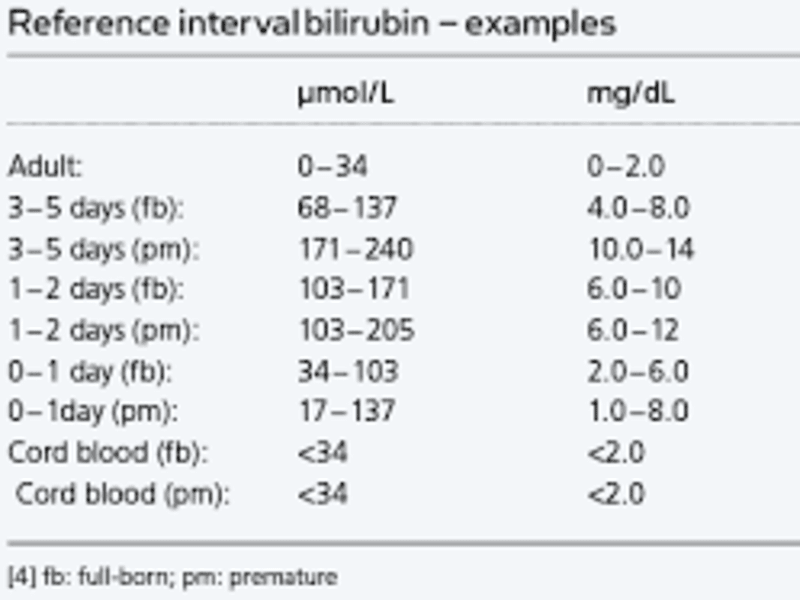
Bilirubin levels help assess liver health. This guide explains normal bilirubin values, types, causes of abnormal levels, symptoms, and when to seek medical advice.
April 11, 2026

Learn how to properly clean and care for your new ear piercing to ensure it heals beautifully and avoid infection. Follow our step-by-step guide for optimal results.
April 1, 2026