

Emergency & Help
24/7 Emergency & General Advisory
🚨 24/7 Medical Emergency
Non-Emergency Advisory
10:00 AM – 6:00 PM, Mon–Sat
For appointments & general queries.
24/7 Emergency & General Advisory
🚨 24/7 Medical Emergency
Non-Emergency Advisory
10:00 AM – 6:00 PM, Mon–Sat
For appointments & general queries.
Stay updated with our latest healthcare news and your appointments.
Learn the benefits and practical guide to double masking for enhanced protection against airborne illnesses. Discover the right mask combinations and how to achieve a proper fit.

In the ongoing efforts to protect ourselves and our communities from airborne illnesses, particularly during periods of heightened concern like the COVID-19 pandemic, various preventative measures have been recommended. Among these, mask-wearing stands out as a primary defense. While single-masking has become a familiar practice for many, the concept of 'double masking' has emerged as an enhanced strategy. But what exactly is double masking, and should you be doing it? This guide aims to provide clear, practical advice for Indian readers on how to effectively double mask, understand its benefits, and implement it safely. Double masking simply means wearing two face masks at the same time. It’s not about layering just any two masks together; there’s a specific way to do it that maximizes protection. The core idea behind double masking is to improve two key aspects of mask-wearing: the fit and the filtration. Even with a well-fitting single mask, tiny gaps can exist where respiratory droplets, carrying viruses, can potentially enter or escape. Double masking aims to seal these gaps and add more layers of material to filter out more particles. The scientific basis for double masking comes from studies, including those by the Centers for Disease Control and Prevention (CDC). Research has shown that when masks fit poorly, air can escape around the edges, reducing their effectiveness. By wearing a second mask, particularly a cloth mask over a surgical mask, the outer mask can press the inner mask more snugly against your face. This creates a much tighter seal, significantly reducing the amount of air that bypasses the filtration layers. Furthermore, the filtration capability of a mask depends on the material and the number of layers. A single mask, even a good quality one, has a certain filtration limit. Adding a second mask effectively increases the number of layers, creating a more robust barrier against airborne particles. Imagine trying to stop tiny dust particles with a single sieve versus using two sieves stacked together – the second sieve catches what the first might miss. Why Consider Double Masking? The Science Behind It The primary advantage of double masking lies in its ability to boost both mask fit and filtration. Let's break this down: Improved Fit: Many masks, especially disposable surgical masks, don't conform perfectly to every face shape. You might feel air leaking out from the sides or top when you breathe. This leakage means that inhaled air is not fully filtered, and exhaled air carrying potential virus particles can escape more easily. When you wear a cloth mask over a surgical mask, the cloth mask can help to cinch the edges of the surgical mask closer to your skin. This creates a more secure seal around your nose and mouth, minimizing those critical gaps. Enhanced Filtration: Mask materials are designed to trap respiratory droplets. The effectiveness of this trapping, or filtration, depends on the material's density and the number of layers. A standard surgical mask offers good filtration, and a multi-layered cloth mask also provides a decent barrier. Combining them, especially with the improved fit, means that a larger percentage of airborne particles are filtered out before you inhale them, and a larger percentage of particles you exhale are contained. Consider a scenario: You're at a crowded local market in Delhi, navigating through narrow aisles. You're wearing a standard surgical mask. While it offers protection, you notice a slight gap near your cheeks. Now, imagine you've layered a well-fitting cloth mask over it. The cloth mask gently presses the surgical mask against your skin, sealing those gaps. This simple act significantly reduces the chances of inhaling or exhaling virus-laden droplets that might be circulating in the close proximity of the market. The Benefits in Numbers: What Studies Show Research has provided compelling evidence for the effectiveness of double masking. For instance, studies simulating coughs have demonstrated significant improvements in particle blocking when double masking is employed: A single surgical mask blocked approximately 51.4% of aerosol particles. A single cloth mask blocked around 56.1% of aerosol particles. When a double mask (cloth over surgical) was used, the blockage rate jumped to an impressive 85.4%. The impact is even greater when considering both the person wearing the mask (the recipient) and the person potentially spreading the virus (the source). When both the source and recipient double mask, aerosol exposure can be reduced by as much as 96.4%. This highlights the power of collective protection and how individual actions can significantly impact community health. How to Double Mask Safely and Effectively Simply wearing two masks is not enough; doing it correctly is key. Here’s how to double mask for maximum benefit: The Recommended Combination The CDC recommends layering a cloth mask over a disposable surgical mask . This combination offers a good balance of improved fit, enhanced filtration, and relative comfort for breathing. What to Avoid Not all mask combinations are beneficial. Avoid these: Two surgical masks. A KN95 mask with any other type of mask. An N95 mask with any other type of mask. These combinations can compromise the fit of the more protective N95 or KN95 masks, or make breathing too difficult, defeating the purpose of wearing a mask. Achieving a Good Fit This is perhaps the most crucial aspect of double masking. Your goal is to create a seal around your face. Start with a well-fitting surgical mask. Ensure it covers your nose, mouth, and chin. Layer a cloth mask over it. Choose a cloth mask that fits snugly. Adjust for a seal. Gently press the edges of the inner surgical mask against your face using the outer cloth mask. You can also try knotting the ear loops of the surgical mask and tucking in the side pleats to improve its fit before adding the cloth mask. Check for leaks. Breathe in and out. You shouldn’t feel air escaping strongly from the sides or top. Breathing Comfort While double masking might require slightly more effort to breathe, it should not make you feel short of breath or uncomfortable. If you find it difficult to breathe, it might mean your mask combination isn't working well, or you need to adjust the fit. Ensure your masks are made of breathable material. Vision Make sure your mask doesn't obstruct your vision, especially if you wear glasses. A well-fitting mask should sit high on your nose without slipping down. When is Double Masking Most Beneficial? While double masking offers enhanced protection, it's not always necessary in every situation. Consider it particularly useful in high-risk settings: Crowded indoor spaces: Places like busy markets, public transport (buses, trains), or poorly ventilated areas. Close contact with others: When you anticipate being in close proximity to people for an extended period. High transmission rates: During periods when community transmission of airborne illnesses is high. When caring for someone sick: To provide an extra layer of protection for yourself and the vulnerable person. For outdoor activities where you can maintain physical distance, or in well-ventilated spaces with few people, a single, well-fitting mask might suffice. Always assess your environment and the level of risk. Masks and Variants As new variants of viruses emerge, such as the B.1.1.7 variant reported to be more transmissible, enhancing protective measures becomes more important. Double masking can be a valuable strategy to counter increased transmissibility by providing a more robust barrier against these potentially more infectious strains. Beyond Masking: Other Essential Precautions Masking is a powerful tool, but it's most effective when combined with other preventive measures. Remember to: Wash your hands frequently: Use soap and water for at least 20 seconds, especially after being in public or touching surfaces. If soap and water aren't available, use an alcohol-based hand sanitizer with at least 60% alcohol. Maintain physical distance: Keep a safe distance from others, especially those who are not part of your household. Avoid crowds: Limit your time in crowded places, particularly indoors. Ensure good ventilation: Open windows and doors when possible to improve airflow. Frequently Asked Questions (FAQ) about Double Masking Q1: Can I wear any two masks together? No. The recommended combination is a cloth mask layered over a disposable surgical mask. Avoid layering masks that are already highly protective, like N95 or KN95, with other masks, as it can impede their function and make breathing difficult. Q2: Will double masking make it hard to breathe? It might require slightly more effort, but it shouldn't make breathing difficult. If you experience significant shortness of breath, ensure your masks fit properly and are made of breathable materials. Adjust the fit or consider a different mask type if needed. Q3: Is double masking necessary all the time? It's most beneficial in high-risk settings like crowded indoor spaces or when transmission rates are high. In low-risk situations, a single, well-fitting mask may be sufficient. Q4: How do I ensure my double mask fits well? The outer mask should help press the inner mask snugly against your face, creating a seal. Check for air leaks around the edges when you breathe. You
In summary, timely diagnosis, evidence-based treatment, and prevention-focused care improve long-term health outcomes.
Visit Hospital
Near You

For years, long COVID had no proven treatment — only symptom management. That changed in July 2026, when UCL researchers published trial results showing a structured cognitive rehabilitation program produced lasting improvement in long COVID brain fog. This piece explains what the trial found, how i
July 23, 2026
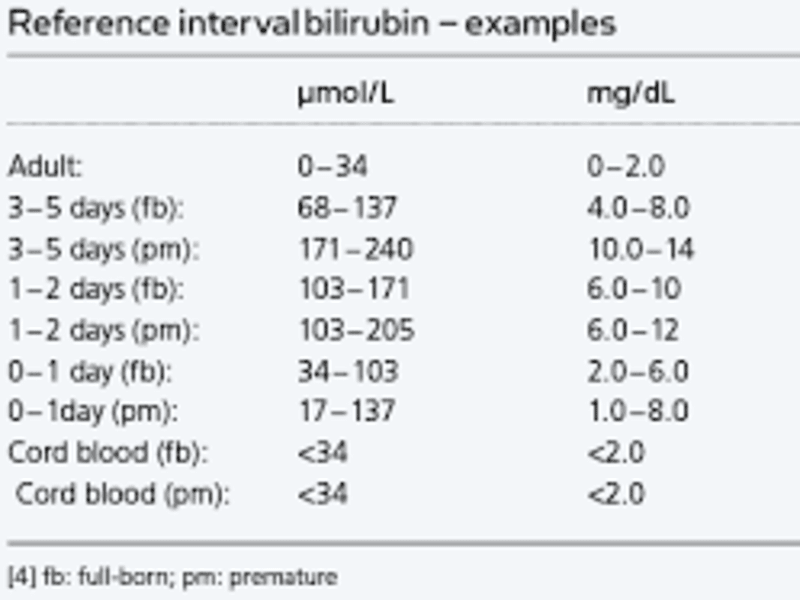
Bilirubin levels help assess liver health. This guide explains normal bilirubin values, types, causes of abnormal levels, symptoms, and when to seek medical advice.
April 11, 2026

Learn how to properly clean and care for your new ear piercing to ensure it heals beautifully and avoid infection. Follow our step-by-step guide for optimal results.
April 1, 2026