

Emergency & Help
24/7 Emergency & General Advisory
🚨 24/7 Medical Emergency
Non-Emergency Advisory
10:00 AM – 6:00 PM, Mon–Sat
For appointments & general queries.
24/7 Emergency & General Advisory
🚨 24/7 Medical Emergency
Non-Emergency Advisory
10:00 AM – 6:00 PM, Mon–Sat
For appointments & general queries.
Stay updated with our latest healthcare news and your appointments.
Discover the power of HEPA air filters! Learn what they are, how they work, and why they're essential for clean indoor air in India. Find the best filters for your home.
Ever feel like the air in your home isn't as fresh as it could be? You're not alone! In today's world, indoor air quality is a growing concern for many of us, especially here in India, where factors like dust, pollution, and allergens can significantly impact our health. We spend a huge amount of time indoors – working, sleeping, relaxing. So, what we breathe in matters. That's where HEPA air filters come in. They're not just a fancy gadget; they're a powerful tool to help create a healthier living space. But what exactly is a HEPA filter, and how can it make a difference for you and your family? What is a HEPA Filter? Unpacking the Acronym Let's break it down. HEPA stands for High Efficiency Particulate Air . Think of it as a gold standard for air filtration. A true HEPA filter is designed to capture a staggering 99.97% of airborne particles that are 0.3 microns in size. That's incredibly tiny! To put that into perspective, a human hair is about 50 to 100 microns wide. So, a HEPA filter is capturing particles that are hundreds of times smaller than the width of a single hair. These filters are meticulously engineered to trap a wide range of microscopic troublemakers floating in your air. We're talking about things that can trigger allergies, asthma, and other respiratory issues. This includes: Dust mites and their droppings Pollen grains (a big one for allergy season!) Pet dander (those tiny flakes of skin from our furry friends) Mold spores (which can grow in damp areas) Bacteria Some viruses Smoke particles When a filter meets the HEPA standard, it means it has been tested and certified to perform at this high level of efficiency. This is different from standard air filters that might catch larger dust particles but miss the smaller, more harmful ones. For your home's heating, ventilation, and air conditioning (HVAC) system, a HEPA filter can be a game-changer, turning your existing system into a powerful air purification unit. Why Should You Care About Indoor Air Quality? It's easy to think that outdoor pollution is the main culprit, but studies show that indoor air can often be two to five times more polluted than outdoor air. Surprising, right? This is due to a variety of factors: Poor Ventilation: Modern homes are built to be energy-efficient, which often means they are more sealed. While this saves energy, it can trap pollutants inside. Household Products: Cleaning supplies, air fresheners, paints, and even some furniture can release volatile organic compounds (VOCs) into the air. Biological Contaminants: Dust mites, mold, pet dander, and bacteria thrive in indoor environments. Outdoor Pollutants: Pollutants from outside can easily find their way in through open windows and doors, or even through tiny cracks in your home's structure. Poor indoor air quality can lead to a host of health problems, ranging from mild discomfort to serious chronic conditions. Symptoms can include: Headaches Fatigue Nausea Irritation of the eyes, nose, and throat Worsening of asthma and allergy symptoms Increased susceptibility to respiratory infections For individuals with pre-existing respiratory conditions like asthma or COPD, or for those with compromised immune systems, the impact can be even more severe. Children and the elderly are also more vulnerable. HEPA Filters vs. Other Air Filters: What's the Difference? You might see other filter ratings like MERV (Minimum Efficiency Reporting Value). MERV ratings range from 1 to 20, with higher numbers indicating better filtration. A MERV 13 filter is considered good for capturing smaller particles like bacteria and some viruses. However, a true HEPA filter is generally considered to be equivalent to a MERV 17 or higher. It's the gold standard for capturing those ultra-fine particles that can cause the most health issues. It's also important to distinguish between 'HEPA-type' or 'HEPA-like' filters and true HEPA filters. Only filters that meet the strict HEPA standard are truly effective at capturing 99.97% of 0.3-micron particles. Always look for the 'True HEPA' label. Choosing the Right HEPA Air Filter for Your Home Selecting the best HEPA air filter for your needs involves a few considerations. Many filters are designed for specific room sizes or for integration into your HVAC system. Here's what to look for: 1. True HEPA Certification This is non-negotiable. Ensure the filter explicitly states it is a 'True HEPA' filter and meets the 99.97% efficiency at 0.3 microns standard. 2. Room Size or HVAC Compatibility For standalone air purifiers, check the coverage area (often measured in square feet). For HVAC systems, you'll need to know the dimensions of your current filter slot and ensure the HEPA filter you choose fits. A MERV rating of 13 or higher is a good benchmark for HVAC filters if a true HEPA isn't available for your system. 3. Non-Ozone Producing and Non-Ionizing Features Some air purifiers use ionizers or other technologies that can produce ozone as a byproduct. The U.S. Environmental Protection Agency (EPA) warns that ozone can be harmful to your health, especially for those with respiratory issues. True HEPA filters work mechanically, without producing ozone. If a unit has an ionizer, check if it can be turned off. 4. Additional Features Many modern air purifiers come with smart features like air quality sensors that adjust fan speed automatically, timers, and quiet modes. These can enhance your user experience. 5. Filter Lifespan and Cost HEPA filters need to be replaced periodically. Check the manufacturer's recommendations for replacement frequency and the cost of replacement filters. While the initial investment might seem high, consider the long-term health benefits. 6. Customer Reviews Look for products with high customer ratings (4.5 stars or more) and a significant number of reviews (at least 500) to gauge real-world performance and reliability. Top HEPA Air Filter Picks for Your Home Based on expert advice and customer feedback, here are some highly-rated options that often perform well: Best Overall: Coway Airmega AP-1512HH(W) True HEPA Purifier This unit is praised for its effectiveness in rooms up to 361 sq. ft. It features an air quality sensor and operates quietly, making it ideal for bedrooms and living areas. It offers great value for its price, and importantly, its ionizer can be switched off. Quietest Option: BLUEAIR Blue 311 Auto Bedroom Air Purifier If noise is a concern, this model is designed for quiet operation, ensuring it won't disturb your sleep or work. Most High-Tech: LEVOIT Core 400S Smart True HEPA Air Purifier For those who love smart home integration, this purifier offers advanced features and connectivity. Best for Large Spaces: BLUEAIR Blue 211+ Air Purifier Large Room If you have an open-plan living area or a larger room, this model is designed to handle more square footage effectively. Most Economical: AROEVE MK01 Air Purifiers for Home This option provides good HEPA filtration at a more budget-friendly price point, making clean air accessible. Best for Pets: BISSELL MYair Pro Air Purifier with HEPA Filter for Small Room and Home Specifically designed to tackle pet dander and odors, this is a great choice for pet owners. Remember, for HVAC systems, look for filters specifically designed for your furnace or air conditioner that meet HEPA-equivalent standards (like MERV 13+). Consult your HVAC professional for the best fit. How to Maintain Your HEPA Air Filter To ensure your HEPA filter continues to work effectively, regular maintenance is key: Check the Pre-filter: Many units have a washable pre-filter that catches larger particles. Clean this regularly (weekly or bi-weekly) to extend the life of the main HEPA filter. Replace the HEPA Filter: Follow the manufacturer's recommended replacement schedule. This can range from 6 months to a year or more, depending on usage and air quality. Regular Cleaning: Keep the exterior of the air purifier clean. When Should You Consult a Doctor? While HEPA filters are excellent tools for improving air quality, they are not a substitute for medical advice or treatment. You should consult a doctor if you experience persistent symptoms such as: Difficulty breathing or shortness of breath Wheezing Chronic cough Frequent respiratory infections Severe allergy or asthma flare-ups Your doctor can help diagnose the underlying cause of your symptoms and recommend appropriate medical treatment. They can also advise on environmental controls, including air filtration, that may help manage your condition. Frequently Asked Questions (FAQ) Q1: Do HEPA filters really make a difference? Yes, absolutely! By capturing up to 99.97% of tiny airborne particles, HEPA filters can significantly reduce allergens, dust, mold spores, and other irritants in your home, leading to improved respiratory health and fewer allergy symptoms for many people. Q2: How often should I replace my HEPA filter? This depends on the specific model and how much you use it. Generally, standalone air purifiers require filter replacements every 6-12 months. For HVAC systems, check the filter's MERV rating and the manufacturer's guidelines, usually every 1-3 months for standard filters and potentially longer for high-efficiency filters, but always check your system's manual. Q3: Are HEPA air purifiers safe for children and pets? Yes, true
In summary, timely diagnosis, evidence-based treatment, and prevention-focused care improve long-term health outcomes.
Visit Hospital
Near You
For years, long COVID had no proven treatment — only symptom management. That changed in July 2026, when UCL researchers published trial results showing a structured cognitive rehabilitation program produced lasting improvement in long COVID brain fog. This piece explains what the trial found, how i
July 23, 2026
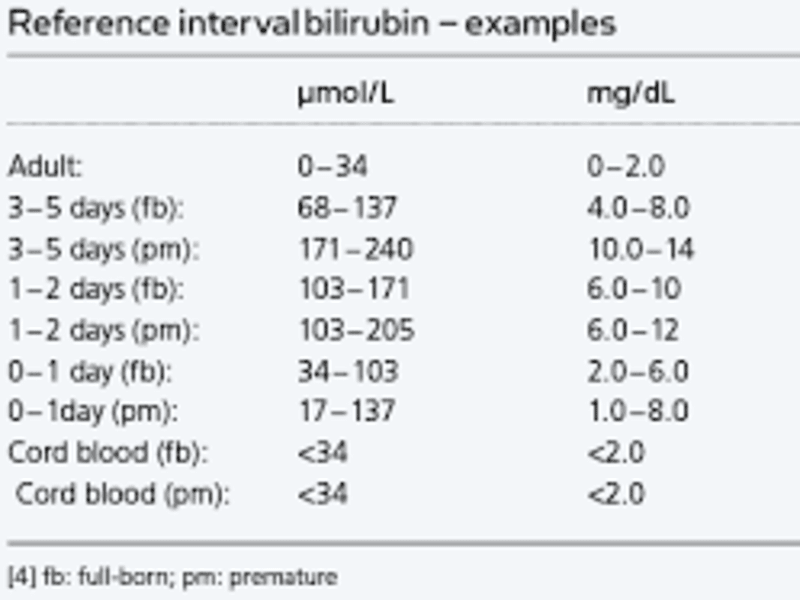
Bilirubin levels help assess liver health. This guide explains normal bilirubin values, types, causes of abnormal levels, symptoms, and when to seek medical advice.
April 11, 2026

Learn how to properly clean and care for your new ear piercing to ensure it heals beautifully and avoid infection. Follow our step-by-step guide for optimal results.
April 1, 2026