

Emergency & Help
24/7 Emergency & General Advisory
🚨 24/7 Medical Emergency
Non-Emergency Advisory
10:00 AM – 6:00 PM, Mon–Sat
For appointments & general queries.
24/7 Emergency & General Advisory
🚨 24/7 Medical Emergency
Non-Emergency Advisory
10:00 AM – 6:00 PM, Mon–Sat
For appointments & general queries.
Stay updated with our latest healthcare news and your appointments.
Learn the essential 20-second handwashing rule for effective germ removal and understand why proper hand hygiene is critical for preventing illness.
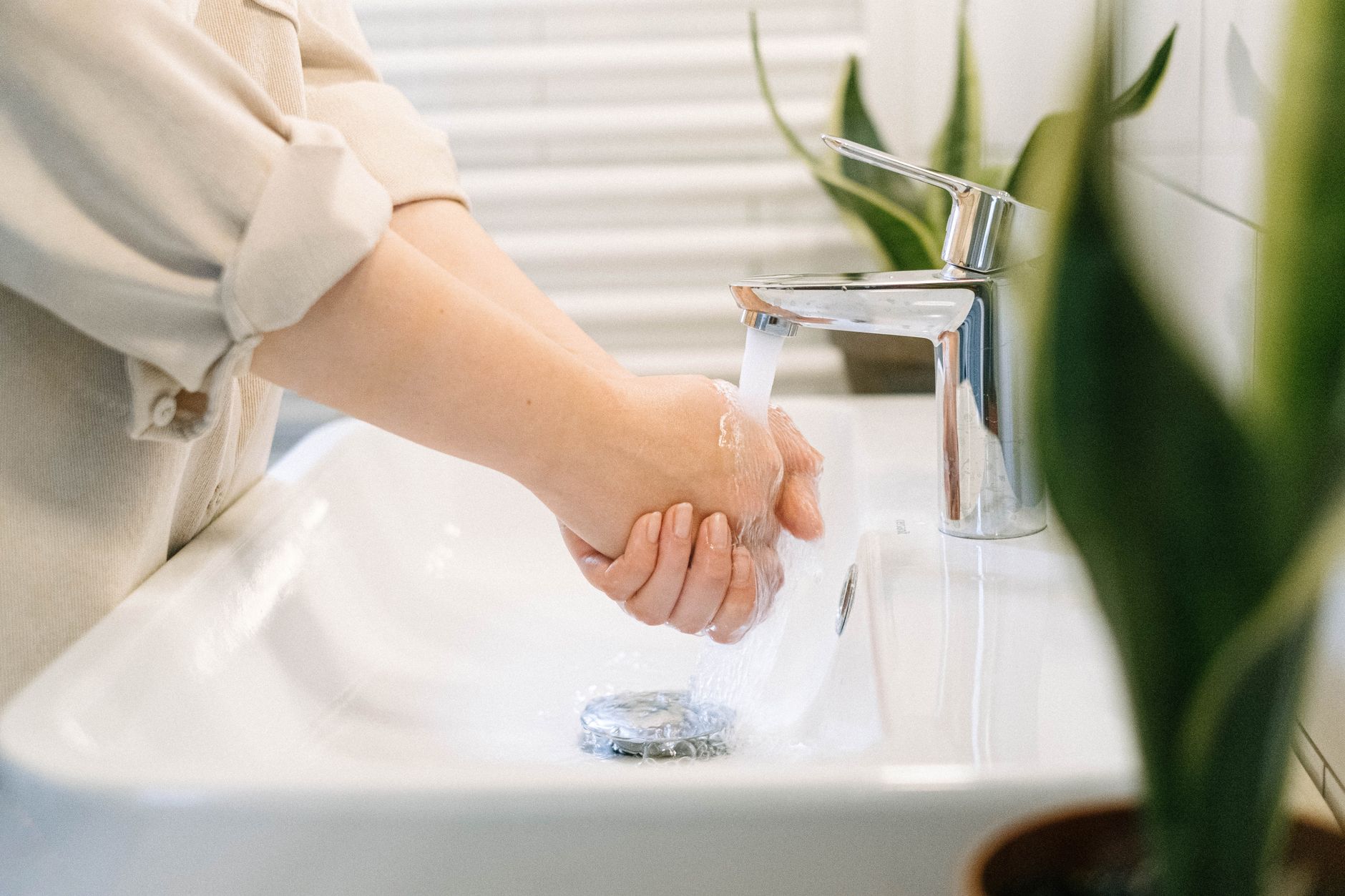
In our daily lives, handwashing is one of the simplest yet most effective ways to protect ourselves and others from the spread of germs, bacteria, and viruses. Especially in recent times, with heightened awareness around infectious diseases like COVID-19, understanding the proper technique and duration for handwashing has become crucial. While many of us wash our hands regularly, a significant number may not be doing it effectively. This guide will delve into why the duration of handwashing matters, the recommended time, and how to ensure you're washing your hands correctly to maximize their protective benefits.
Handwashing is our primary defense against a multitude of pathogens that can cause illness. These microorganisms are present on surfaces we touch daily, from doorknobs and shopping carts to our phones and keyboards. When we touch these contaminated surfaces and then touch our face – particularly our eyes, nose, or mouth – we can introduce these germs into our bodies, leading to infections. Rushing the handwashing process means that not all germs are effectively removed, increasing the risk of illness for ourselves and those around us. Proper handwashing, including adequate scrubbing time, ensures that soap and water can effectively break down and wash away these harmful contaminants.
The Centers for Disease Control and Prevention (CDC) recommends washing your hands for at least 20 seconds. This duration is considered sufficient to thoroughly cleanse your hands of potentially harmful pathogens. If you find it difficult to keep track of time, a helpful tip is to hum the tune of the
This section adds practical context and preventive advice to help readers make informed healthcare decisions. It is important to verify symptoms early, consult qualified doctors, and avoid self-medication for persistent health issues.
Maintaining healthy routines, following prescribed treatment plans, and attending regular checkups can improve outcomes. If symptoms worsen or red-flag signs appear, immediate medical evaluation is recommended.
Track symptoms and duration.
Follow diagnosis and treatment from a licensed practitioner.
Review medication side effects with your doctor.
Seek urgent care for severe warning signs.
Visit Hospital
Near You
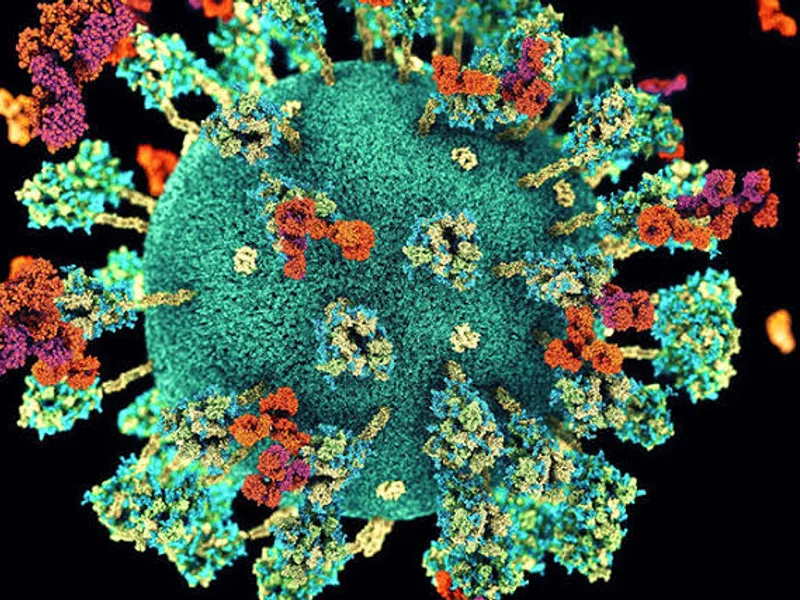
For years, long COVID had no proven treatment — only symptom management. That changed in July 2026, when UCL researchers published trial results showing a structured cognitive rehabilitation program produced lasting improvement in long COVID brain fog. This piece explains what the trial found, how i
July 23, 2026
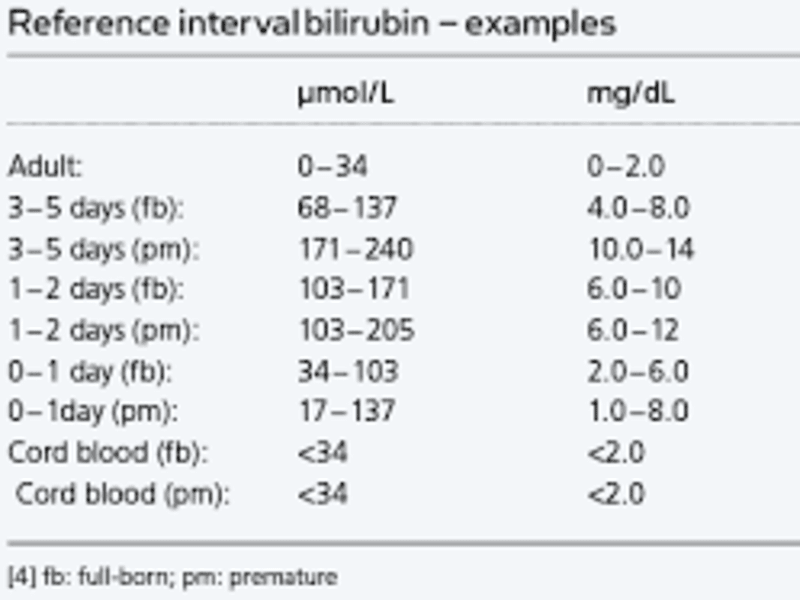
Bilirubin levels help assess liver health. This guide explains normal bilirubin values, types, causes of abnormal levels, symptoms, and when to seek medical advice.
April 11, 2026

Learn how to properly clean and care for your new ear piercing to ensure it heals beautifully and avoid infection. Follow our step-by-step guide for optimal results.
April 1, 2026