

Emergency & Help
24/7 Emergency & General Advisory
🚨 24/7 Medical Emergency
Non-Emergency Advisory
10:00 AM – 6:00 PM, Mon–Sat
For appointments & general queries.
24/7 Emergency & General Advisory
🚨 24/7 Medical Emergency
Non-Emergency Advisory
10:00 AM – 6:00 PM, Mon–Sat
For appointments & general queries.
Stay updated with our latest healthcare news and your appointments.
Discover the surprising and effective ways hydrogen peroxide can revolutionize your kitchen cleaning routine, from disinfecting surfaces to making produce last longer. Learn safe usage tips!

Remember that little brown bottle of hydrogen peroxide tucked away in your medicine cabinet? It might seem like a relic from your grandmother’s cleaning arsenal, but this humble household chemical is far more than just a first-aid staple. In fact, it’s a powerful, versatile cleaner that can transform your kitchen – and beyond! We’re talking about a deep clean that tackles grime, banishes germs, and even helps your produce stay fresher for longer. Let’s dive into the surprisingly effective and scientifically backed uses of hydrogen peroxide for your home, focusing on how it can make your kitchen shine.
Before we start spraying and scrubbing, let’s get acquainted with our cleaning star. Hydrogen peroxide (H₂O₂) is essentially water (H₂O) with an extra oxygen molecule. This simple difference makes it a powerful oxidizer. Think of it as a gentle but effective bleach that breaks down quickly into water and oxygen, making it a relatively safe alternative to harsher chemicals like chlorine bleach. It’s this instability, this readiness to release that extra oxygen, which gives hydrogen peroxide its potent cleaning and disinfecting properties.
The magic lies in that extra oxygen atom. When hydrogen peroxide comes into contact with organic matter (like bacteria, mold, or grime), it releases this oxygen, which then disrupts the cells of these unwanted guests. This process, called oxidation, effectively kills microorganisms and breaks down stains and odors. It’s a chemical reaction that’s been harnessed for over a century, proving its worth in everything from medical kits to household cleaning routines.
Did you know your dishwasher, the very appliance meant to clean your dishes, can harbor its own set of germs? Studies have found fungi and even harmful black mold in many home dishwashers, particularly around the rubber seals. If you’ve noticed a musty smell or your dishes aren’t coming out as clean as they should, your dishwasher might need a deep clean.
How to use it:
This simple step can help eliminate mold and mildew, leaving your dishwasher fresher and more hygienic.
Your kitchen counters and cutting boards are prime real estate for bacteria, especially after preparing raw meat or poultry. While soap and water are essential, a little extra disinfecting power can provide peace of mind.
For counters:
For cutting boards:
Always ensure good ventilation when using cleaning products.
Want to give your fruits and vegetables an extra layer of clean? Hydrogen peroxide can help remove bacteria from produce, and some believe it can even help them last longer in your fridge.
How to use it:
The idea is that by reducing surface bacteria, which can contribute to spoilage, your produce might stay fresh and vibrant for a few extra days.
Got cookie sheets, pots, or pans with stubborn, baked-on brown stains? Before you resort to harsh scrubbing or soaking for hours, try this hydrogen peroxide trick.
How to use it:
This combination of baking soda’s abrasive power and hydrogen peroxide’s oxidizing action is remarkably effective.
The garbage can is a breeding ground for odors and germs. Regular washing with soap and water is a good start, but a hydrogen peroxide spray can take the hygiene factor up a notch.
How to use it:
While hydrogen peroxide is a fantastic cleaning tool, it’s crucial to remember it’s still a chemical and requires careful handling. Here are some vital safety tips:
For most common kitchen cleaning tasks, hydrogen peroxide is a safe and effective DIY solution. However, if you’re dealing with extensive mold infestations, deep-set stains on valuable surfaces, or have concerns about specific materials in your kitchen, it’s always best to consult with a professional cleaning service or a material specialist. They can provide tailored advice and ensure the longevity of your surfaces.
A: While hydrogen peroxide is generally safe for many countertop materials, it’s always best to test it on a small, inconspicuous area first. Some sealants on natural stone like granite can be sensitive. A diluted solution (1 part peroxide to 3 parts water) left for a shorter time (5 minutes) might be safer, followed by a thorough rinse.
A: While the 3 percent solution is less toxic than many cleaning chemicals, it should still be stored out of reach of children and pets. Ensure surfaces cleaned with hydrogen peroxide are rinsed thoroughly and dried completely before children or pets come into contact with them. Never allow them to ingest it or have prolonged skin contact with the solution.
A: Hydrogen peroxide degrades over time, especially when exposed to light and heat. An unopened bottle typically lasts for a year or two. Once opened, its potency decreases more rapidly. You can test its strength by adding a drop to a small amount of blood; if it fizzes vigorously, it’s still potent. If it barely fizzes or not at all, it’s time for a new bottle.
A: It is generally NOT recommended to mix hydrogen peroxide with vinegar or bleach. Mixing hydrogen peroxide and vinegar can create peracetic acid, which can be corrosive and irritating. Mixing hydrogen peroxide with bleach can produce toxic chlorine gas. Stick to using hydrogen peroxide on its own or with baking soda for most cleaning tasks.
Hydrogen peroxide is a powerful, affordable, and relatively eco-friendly cleaning agent that deserves a permanent spot in your home cleaning kit. By using it correctly and safely, you can achieve a cleaner, healthier kitchen with less effort and fewer harsh chemicals.
Visit Hospital
Near You

For years, long COVID had no proven treatment — only symptom management. That changed in July 2026, when UCL researchers published trial results showing a structured cognitive rehabilitation program produced lasting improvement in long COVID brain fog. This piece explains what the trial found, how i
July 23, 2026
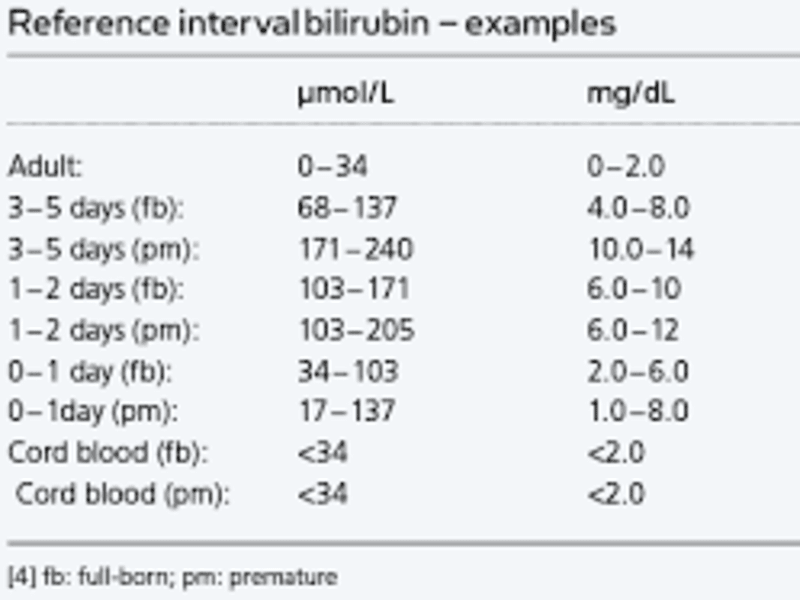
Bilirubin levels help assess liver health. This guide explains normal bilirubin values, types, causes of abnormal levels, symptoms, and when to seek medical advice.
April 11, 2026

Learn how to properly clean and care for your new ear piercing to ensure it heals beautifully and avoid infection. Follow our step-by-step guide for optimal results.
April 1, 2026