

Emergency & Help
24/7 Emergency & General Advisory
🚨 24/7 Medical Emergency
Non-Emergency Advisory
10:00 AM – 6:00 PM, Mon–Sat
For appointments & general queries.
24/7 Emergency & General Advisory
🚨 24/7 Medical Emergency
Non-Emergency Advisory
10:00 AM – 6:00 PM, Mon–Sat
For appointments & general queries.
Stay updated with our latest healthcare news and your appointments.
Navigate the biannual clock change with ease. Learn practical tips to adjust your sleep, mood, and daily routine to minimize the negative impacts of Daylight Saving Time.

The biannual shift for Daylight Saving Time (DST) is upon us again! For many in India, this time change, where clocks spring forward or fall back, is an ingrained part of the calendar. But have you ever stopped to wonder about the real impact this seemingly small adjustment has on our bodies and minds? It’s more than just a minor inconvenience; this abrupt shift can throw our internal biological clocks, our circadian rhythms, into a bit of a tizzy. Think of it like this: your body has its own internal drummer, and suddenly changing the tempo can make it skip a beat. This disruption affects our sleep quality, our mood, and even our concentration. We’re talking about potential increases in errors, traffic accidents, and even strains on our cardiovascular system. Yes, changing the clock can actually have tangible health consequences! But don't despair. This isn’t about fighting the inevitable time change; it’s about equipping yourself with strategies to navigate it with minimal fuss. We’ll explore practical, actionable steps you can take to ease your body into the new time, ensuring you maintain your well-being and productivity. Get ready to conquer DST with confidence and reclaim your restful nights!
For centuries, humans have manipulated time to maximize daylight, a practice that evolved into our modern DST. The core idea is simple: shift the clock forward in spring, gaining an extra hour of daylight in the evening during summer, and then shift it back in autumn, restoring the morning hour. While the intention is to harness more natural light, the execution – a sudden, synchronized leap or fall of the clock – can be jarring. This abruptness is precisely where the health concerns arise. Our bodies operate on a finely tuned internal clock, the circadian rhythm, which regulates sleep-wake cycles, hormone release, and other vital functions. This rhythm is deeply influenced by light and darkness. When we abruptly alter our perceived time, we disrupt this delicate balance. This isn’t just about feeling groggy for a day or two; for some, the effects can linger, impacting mood, cognitive function, and even physical health. Studies have indicated a correlation between DST transitions and an increase in adverse medical events, particularly those stemming from human error, and a heightened risk of cardiovascular issues and mood disturbances. The change in sleep duration and quality is a primary culprit. Losing an hour in the spring can be particularly disruptive, leading to sleep deprivation that cascades into other bodily systems. Conversely, gaining an hour in the fall, while seemingly beneficial, can still disrupt the established rhythm, making it harder to fall asleep on the newly adjusted schedule.
The abrupt shift in time during Daylight Saving Time isn't just a minor inconvenience; it can significantly impact your physiological and psychological well-being. Our bodies are programmed with an internal clock, known as the circadian rhythm, which governs our sleep-wake cycles, hormone production, body temperature, and metabolism. This rhythm is profoundly influenced by external cues, primarily light and darkness. When DST forces a sudden change, it's like hitting the reset button on your internal clock, but without a clear manual. This mismatch between your internal clock and the external time can lead to a cascade of negative effects.
The most immediate and noticeable effect of DST is on sleep. In the spring, when clocks jump forward, we effectively lose an hour of sleep. This can lead to:
This section adds practical context and preventive advice to help readers make informed healthcare decisions. It is important to verify symptoms early, consult qualified doctors, and avoid self-medication for persistent health issues.
Maintaining healthy routines, following prescribed treatment plans, and attending regular checkups can improve outcomes. If symptoms worsen or red-flag signs appear, immediate medical evaluation is recommended.
Track symptoms and duration.
Follow diagnosis and treatment from a licensed practitioner.
Review medication side effects with your doctor.
Seek urgent care for severe warning signs.
Visit Hospital
Near You
For years, long COVID had no proven treatment — only symptom management. That changed in July 2026, when UCL researchers published trial results showing a structured cognitive rehabilitation program produced lasting improvement in long COVID brain fog. This piece explains what the trial found, how i
July 23, 2026
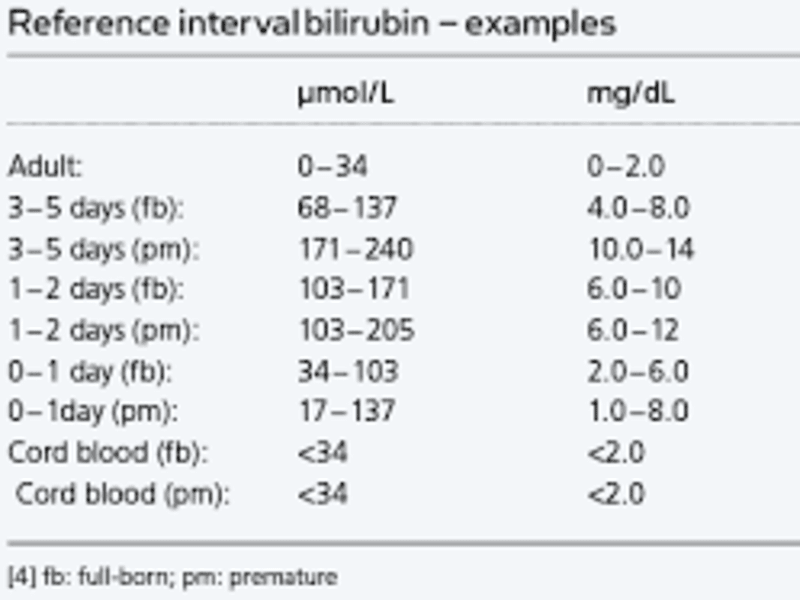
Bilirubin levels help assess liver health. This guide explains normal bilirubin values, types, causes of abnormal levels, symptoms, and when to seek medical advice.
April 11, 2026

Learn how to properly clean and care for your new ear piercing to ensure it heals beautifully and avoid infection. Follow our step-by-step guide for optimal results.
April 1, 2026