

Emergency & Help
24/7 Emergency & General Advisory
🚨 24/7 Medical Emergency
Non-Emergency Advisory
10:00 AM – 6:00 PM, Mon–Sat
For appointments & general queries.
24/7 Emergency & General Advisory
🚨 24/7 Medical Emergency
Non-Emergency Advisory
10:00 AM – 6:00 PM, Mon–Sat
For appointments & general queries.
Stay updated with our latest healthcare news and your appointments.
Discover what to expect regarding nipple piercing pain, including factors influencing discomfort and effective management strategies for a smoother experience.

Considering a nipple piercing? You're probably wondering about one thing above all: Does it hurt? It’s a fair question, and the honest answer is yes, nipple piercings generally do involve pain. After all, you’re asking someone to create a new opening through a part of your body rich with nerve endings. However, the intensity and duration of this pain can vary significantly from person to person. Some find it a brief, sharp pinch, while others experience a more throbbing discomfort. This guide will walk you through what to expect regarding nipple piercing pain, factors influencing it, and practical tips for managing it.
Pain is a subjective experience, and what one person finds unbearable, another might tolerate with ease. This is especially true for nipple piercings. When asked to rate the pain on a scale of 1 to 10, individuals report a wide range of experiences. The initial piercing sensation is often described as a quick, sharp bite or pinch. This intense moment typically lasts only a second or two. Following the piercing, your nipples will likely feel tender for the first few days, comparable to a bruise or sunburn. Some throbbing on the first day is also not uncommon. The good news is that with proper aftercare and by being mindful of the new piercing, this discomfort should gradually subside.
Compared to other piercings, most people find nipple piercings more painful than an earlobe piercing but less painful than piercings in more sensitive areas like the genitals. It’s important to remember that your pain tolerance can fluctuate daily. Factors like stress levels, your mood, and even your menstrual cycle can influence how you perceive pain.
Several elements contribute to how much a nipple piercing hurts:
While you can’t eliminate pain entirely, you can take steps to make the experience more manageable:
This is perhaps the most critical step. Do your research thoroughly:
Your state of mind and body can influence your pain perception:
While the piercer works, try these mental techniques:
Proper aftercare is essential not only for healing but also for managing ongoing discomfort.
Follow your piercer’s specific instructions, but generally, cleaning involves:
Expect tenderness, mild swelling, and possibly some redness for the first few days. The pain should gradually decrease. If you experience:
These could be signs of infection and require immediate medical attention. Consult your doctor or a healthcare professional.
While some discomfort is normal, persistent or severe pain, excessive swelling, redness that spreads, or discharge that is yellow or green are red flags. These symptoms may indicate an infection or another complication. Don't hesitate to contact your doctor or a qualified healthcare provider if you experience any of these signs. Early intervention can prevent more serious issues.
Yes, if your nipples are naturally very sensitive to touch or stimulation, you will likely experience more pain during and after the piercing compared to someone with less sensitive nipples. However, proper technique and aftercare remain key for managing discomfort.
The sharp pain of the piercing itself lasts only a second or two. Tenderness and soreness can persist for the first 2-3 days, gradually decreasing over the following week. A dull ache or throbbing might be felt intermittently during the initial healing period.
Over-the-counter pain relievers like ibuprofen or acetaminophen can help manage discomfort and inflammation. Always follow the dosage instructions on the packaging and consult your doctor if you have any underlying health conditions or are unsure.
No, the gender of the piercer has no bearing on the amount of pain you experience. The piercer's skill, experience, and technique are the primary factors that influence pain levels.
Visit Hospital
Near You
For years, long COVID had no proven treatment — only symptom management. That changed in July 2026, when UCL researchers published trial results showing a structured cognitive rehabilitation program produced lasting improvement in long COVID brain fog. This piece explains what the trial found, how i
July 23, 2026
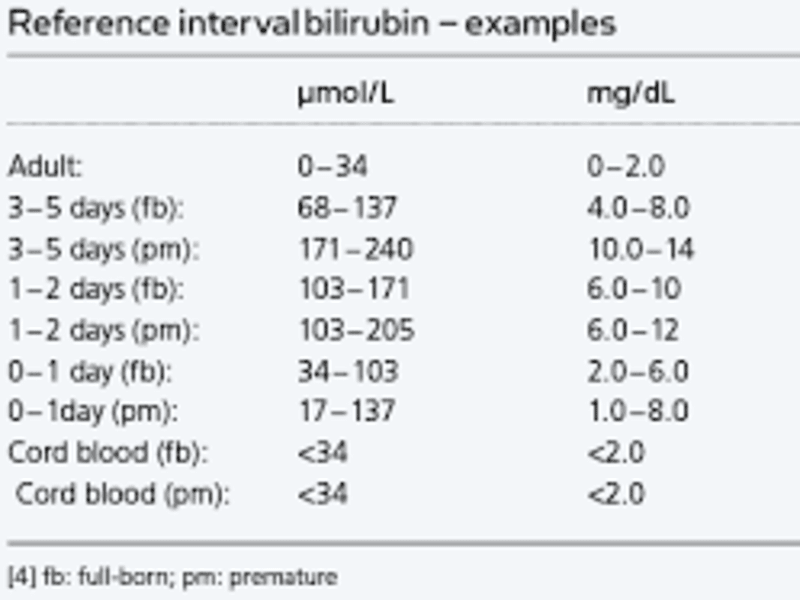
Bilirubin levels help assess liver health. This guide explains normal bilirubin values, types, causes of abnormal levels, symptoms, and when to seek medical advice.
April 11, 2026

Learn how to properly clean and care for your new ear piercing to ensure it heals beautifully and avoid infection. Follow our step-by-step guide for optimal results.
April 1, 2026