

Emergency & Help
24/7 Emergency & General Advisory
🚨 24/7 Medical Emergency
Non-Emergency Advisory
10:00 AM – 6:00 PM, Mon–Sat
For appointments & general queries.
24/7 Emergency & General Advisory
🚨 24/7 Medical Emergency
Non-Emergency Advisory
10:00 AM – 6:00 PM, Mon–Sat
For appointments & general queries.
Stay updated with our latest healthcare news and your appointments.
Discover the vital role of medical alert systems in ensuring safety and independence for seniors and individuals with health conditions in India. Learn about types, features, and how to choose the right one.

Life in India is vibrant, bustling, and full of life! But for our elders, or for those living with chronic health conditions, an unexpected fall or medical emergency can be a frightening prospect. The good news? Technology has stepped in to offer a reassuring solution: the medical alert system. These aren't just gadgets; they are lifelines, designed to provide instant help and invaluable peace of mind to both the user and their loved ones. Think of it as a personal guardian, always ready to connect you to help when you need it most.
In a country like India, where family support is deeply cherished, a medical alert system can bridge the gap when immediate family members aren't physically present. It empowers individuals to maintain their independence and live with greater confidence, knowing that help is just a button press away. Whether you're a senior living alone, recovering from surgery, or managing a health condition that carries a risk of falls or sudden illness, understanding these systems is key.
Simply put, a medical alert system, often called a Personal Emergency Response System (PERS), is a device that allows you to quickly call for help during an emergency. The most common form is a wearable pendant or wristband with a simple, easy-to-press button. When you press this button, it sends a signal to a base unit, which then connects you to a monitoring center or a designated emergency contact.
Imagine this: you're alone at home, you slip, and you can't get up. Panic might set in. But with a medical alert system, you simply press the button on your pendant. Within moments, a calm, trained professional is on the line, asking what's wrong. They can assess the situation, dispatch emergency services if needed, and even contact your family. It's a rapid response system designed for those critical moments.
The benefits are manifold:
The world of medical alert systems isn't one-size-fits-all. There are several types to consider, each with its own strengths:
These are the traditional systems. They require a standard home phone line to function. The base unit plugs into your phone jack. They are reliable as long as you have a working landline, but they lack portability.
These systems use a cellular network, meaning they don't require a landline. This makes them incredibly versatile. Many modern systems use cellular technology, offering greater freedom and ease of use, especially in areas with spotty landline service.
These are the most advanced. They are designed for use both inside and outside the home. Often integrated into pendants or smartwatches, they include GPS tracking. This means that even if you're out for a walk, at the market, or visiting friends, pressing the button will alert the monitoring center to your location, allowing them to send help precisely where you are.
Many systems offer an automatic fall detection feature. This is a game-changer for individuals at high risk of falls. These devices use sophisticated sensors to detect a sudden, hard fall. If a fall is detected, the system can automatically alert the monitoring center, even if the user is unable to press the button themselves. This is particularly useful if the person is unconscious or disoriented after a fall.
When selecting a system, consider these important features:
The process is typically quite simple:
Selecting the best system involves understanding your specific situation. Ask yourself:
For someone living alone with a history of falls, a cellular system with automatic fall detection and GPS would be ideal. For a couple who are both at risk but stay mostly at home, a reliable landline or cellular system with pendants for each might suffice.
These systems are beneficial for a wide range of individuals:
Some companies offer more than just emergency response. They might include:
Fact: While seniors are primary users, anyone with a health condition that could lead to a sudden emergency, or anyone who simply wants an added layer of security, can benefit. This includes younger individuals with certain medical conditions.
Fact: Most systems are designed with simplicity in mind. The core function – pressing a button – is very straightforward. Setup is usually minimal.
Fact: While costs vary, many affordable options exist, often costing less than a cup of coffee a day. The peace of mind they offer often outweighs the cost.
A medical alert system is a powerful tool for enhancing safety and preserving independence. In India, where family ties are strong, it acts as an extension of that care, providing a reliable backup. By understanding the types of systems available and considering individual needs, you can choose a device that offers not just security, but also the freedom to live life more confidently. Don't wait for an emergency to think about safety; explore your options today and give yourself or your loved ones the gift of unwavering support.
Visit Hospital
Near You
For years, long COVID had no proven treatment — only symptom management. That changed in July 2026, when UCL researchers published trial results showing a structured cognitive rehabilitation program produced lasting improvement in long COVID brain fog. This piece explains what the trial found, how i
July 23, 2026
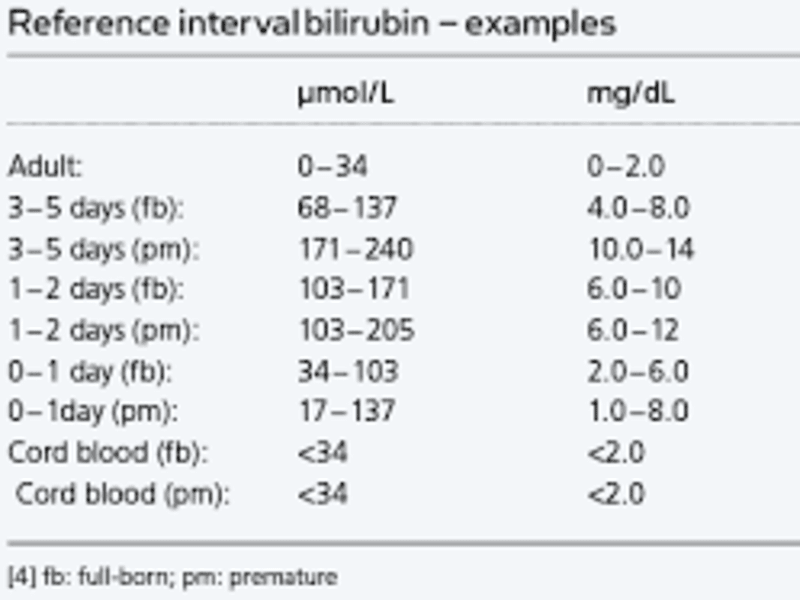
Bilirubin levels help assess liver health. This guide explains normal bilirubin values, types, causes of abnormal levels, symptoms, and when to seek medical advice.
April 11, 2026

Learn how to properly clean and care for your new ear piercing to ensure it heals beautifully and avoid infection. Follow our step-by-step guide for optimal results.
April 1, 2026