

Emergency & Help
24/7 Emergency & General Advisory
🚨 24/7 Medical Emergency
Non-Emergency Advisory
10:00 AM – 6:00 PM, Mon–Sat
For appointments & general queries.
24/7 Emergency & General Advisory
🚨 24/7 Medical Emergency
Non-Emergency Advisory
10:00 AM – 6:00 PM, Mon–Sat
For appointments & general queries.
Stay updated with our latest healthcare news and your appointments.
Discover the versatile uses of rubbing alcohol beyond disinfection for your home and basic first aid. Learn safe usage and important precautions for Indian households.
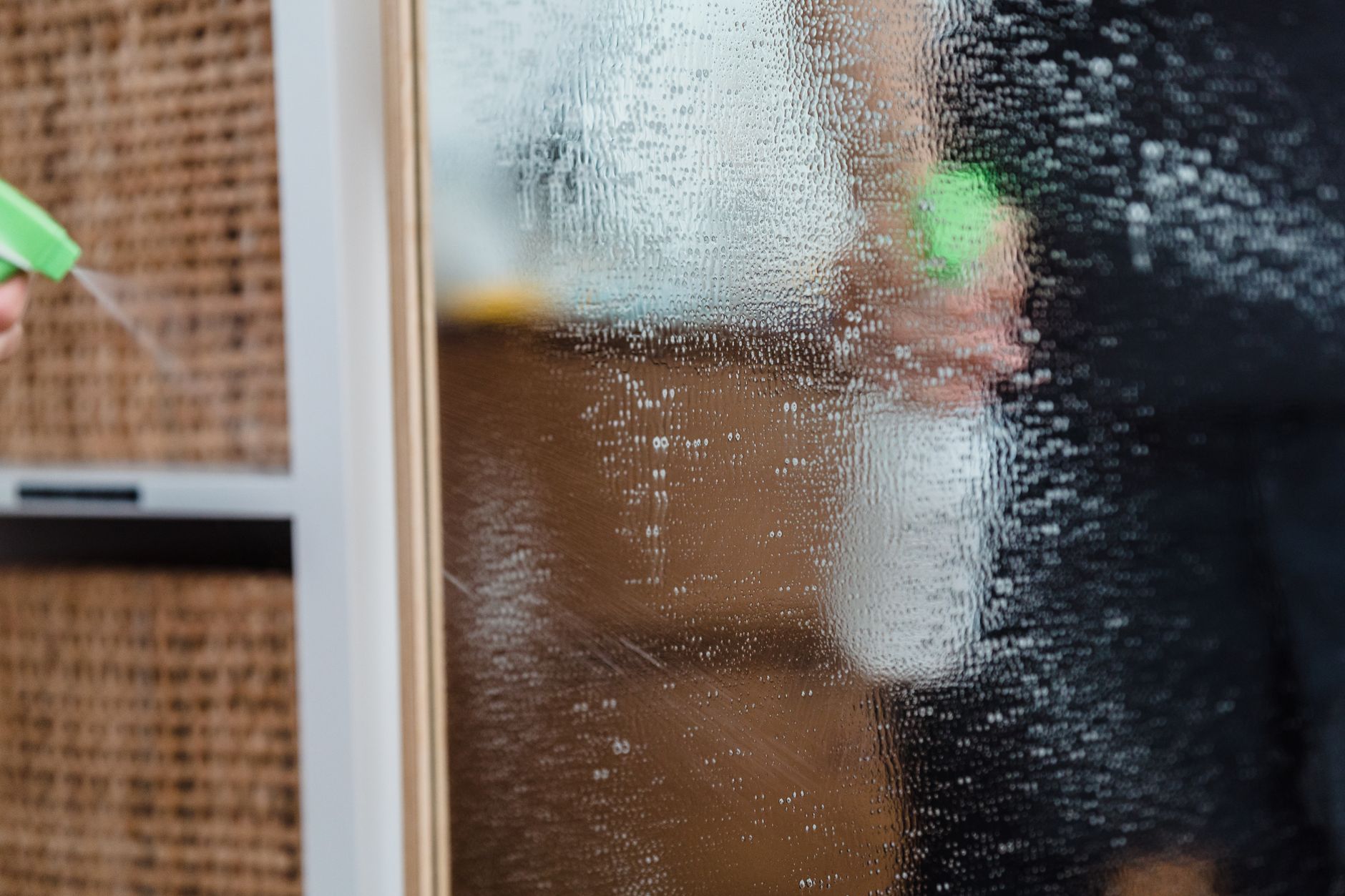
Rubbing alcohol, also known as isopropyl alcohol, is a common sight in many Indian households. Often found in first-aid kits, its primary association is with disinfecting wounds and cleaning surfaces. However, this versatile liquid offers a surprising array of uses that go beyond basic disinfection. From tackling stubborn stains to helping with minor household fixes, rubbing alcohol can be a real lifesaver. But like any potent chemical, it’s essential to understand its capabilities and limitations. This guide will explore the many practical applications of rubbing alcohol, focusing on safe and effective usage for Indian readers, and will also highlight crucial safety precautions you must follow.
Rubbing alcohol typically comes in two common strengths: 70 percent and 90 percent isopropyl alcohol. The 70 percent solution is generally preferred for skin applications because it contains more water, which slows down the evaporation rate, allowing more time for disinfection. The 90 percent solution evaporates more quickly and is often better suited for cleaning electronics and surfaces where rapid drying is beneficial. Always check the label to ensure you are using the correct strength for your intended purpose.
Rubbing alcohol’s ability to dissolve grease, oil, and certain types of ink makes it a powerful cleaning agent for various household tasks. Here are some practical ways you can use it around your home:
Dust and grime can accumulate on window blinds, making them look dull and dirty. Instead of a lengthy cleaning process, try this simple trick: wrap an alcohol-soaked washcloth around a spatula. Secure it with a rubber band. You can then easily clean between each slat, removing dirt and leaving your blinds sparkling. This method is quick and effective for both metal and plastic blinds.
Our computer mice and keyboards can harbour a surprising number of germs. For a quick and effective clean, use a 90 percent or higher rubbing alcohol solution. Dampen a cotton swab or a microfiber cloth with the alcohol and gently wipe down your keyboard keys and mouse. The alcohol evaporates quickly, leaving your electronics clean without damaging them.
Stickers on new purchases or those left behind by children can be a nuisance. To remove stubborn sticker residue, saturate the sticker with rubbing alcohol. Let it sit for about 10 minutes. The alcohol helps to break down the adhesive, allowing you to wipe the sticker and any remaining residue away more easily.
Makeup brushes can become breeding grounds for bacteria if not cleaned regularly. Rubbing alcohol is an excellent disinfectant for this purpose. Pour a small amount of rubbing alcohol into a shallow dish and swirl the brush heads in it. This disinfects them quickly. Rinse thoroughly with water and allow them to air dry completely before use.
Stubborn dry-erase marker stains on whiteboards can be frustrating. A 90 percent or higher rubbing alcohol solution works wonders. You can either spray it directly onto the board or apply it to a cloth. Wipe away the marks, and your whiteboard will look as good as new. Ensure good ventilation when using it on large surfaces.
Rubbing alcohol can restore the shine to dull chrome fixtures in your bathroom or kitchen. Apply a small amount to a soft cloth and rub the chrome surfaces. It helps remove water spots and smudges, leaving a brilliant shine.
A diluted solution of rubbing alcohol can be used to clean smudges and fingerprints from eyeglass lenses. Mix one part alcohol with one part water in a spray bottle. Lightly spray the lenses and wipe them clean with a soft, lint-free cloth. Important: Always check your eyeglass prescription or frame manufacturer’s recommendations before using alcohol, as some lens coatings can be damaged by it.
While not a substitute for professional medical care, rubbing alcohol has some useful applications in basic first aid and personal care:
You can use rubbing alcohol to disinfect surfaces like scissors, tweezers, and thermometers. This is a quick way to ensure these tools are clean before and after use. However, remember that alcohol is not always effective against all types of germs and can damage the protective coating on certain items.
If you run out of deodorant unexpectedly, rubbing alcohol can serve as a temporary solution. Apply a small amount to your underarms. Caution: Avoid applying it immediately after shaving, as it can cause stinging. Some people add a drop of essential oil, like lavender, to the alcohol for a pleasant scent and skin-soothing effect.
Applying a cloth soaked in rubbing alcohol to aching muscles can provide a cooling sensation and may help stimulate blood flow. This can offer temporary relief from minor muscle soreness. Crucial Safety Note: Only apply to small areas. Widespread application could be harmful.
Need a flexible ice pack? Rubbing alcohol can help! Combine one part alcohol with three parts water in a well-sealed plastic bag. Place this mixture in the freezer. Once frozen, wrap the bag in a soft cloth before applying it to injured or sore areas. The alcohol prevents the mixture from freezing solid, keeping it pliable.
Rubbing alcohol is a powerful chemical, and it’s vital to use it safely. Ignoring safety guidelines can lead to serious harm. Here are critical points to remember:
While rubbing alcohol has many practical uses, it is not a medical treatment for serious conditions. You should consult a doctor if:
While versatile, avoid using rubbing alcohol on certain surfaces like some types of painted or varnished wood, as it can damage the finish. Always test on an inconspicuous area first if you are unsure.
The 70% solution is generally recommended for skin disinfection. It evaporates more slowly, giving it more time to kill germs. However, for minor cuts and scrapes, soap and water are often the best first choice. Consult a healthcare professional for proper wound care advice.
Ingesting rubbing alcohol is a medical emergency. Call your local poison control centre or emergency services immediately. Do not induce vomiting unless instructed to do so by a medical professional.
Rubbing alcohol is a truly handy household staple. By understanding its uses and adhering strictly to safety guidelines, you can effectively incorporate it into your cleaning routines and basic first-aid practices. Always prioritize safety and consult a healthcare professional when in doubt.
Visit Hospital
Near You
For years, long COVID had no proven treatment — only symptom management. That changed in July 2026, when UCL researchers published trial results showing a structured cognitive rehabilitation program produced lasting improvement in long COVID brain fog. This piece explains what the trial found, how i
July 23, 2026
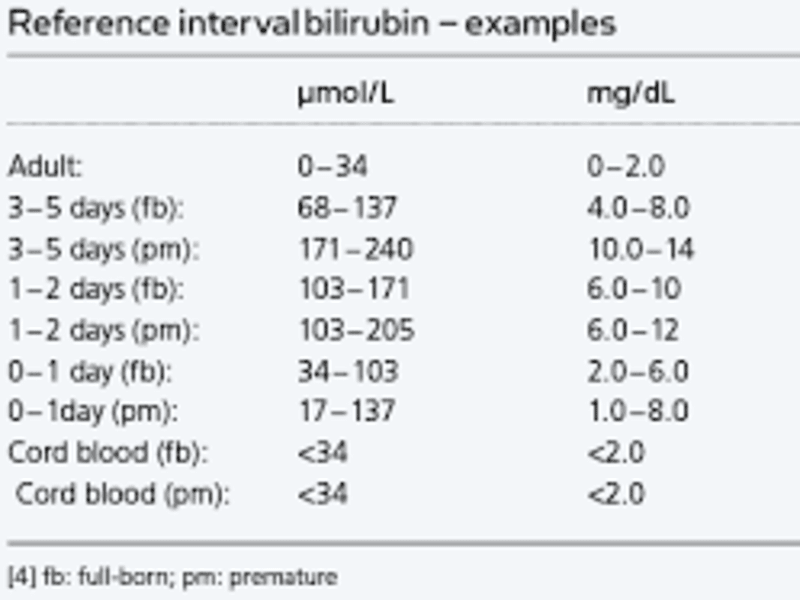
Bilirubin levels help assess liver health. This guide explains normal bilirubin values, types, causes of abnormal levels, symptoms, and when to seek medical advice.
April 11, 2026

Learn how to properly clean and care for your new ear piercing to ensure it heals beautifully and avoid infection. Follow our step-by-step guide for optimal results.
April 1, 2026