

Emergency & Help
24/7 Emergency & General Advisory
🚨 24/7 Medical Emergency
Non-Emergency Advisory
10:00 AM – 6:00 PM, Mon–Sat
For appointments & general queries.
24/7 Emergency & General Advisory
🚨 24/7 Medical Emergency
Non-Emergency Advisory
10:00 AM – 6:00 PM, Mon–Sat
For appointments & general queries.
Stay updated with our latest healthcare news and your appointments.
Discover the surprising versatility of rubbing alcohol in your Indian household. Learn safe and effective ways to use it for cleaning, disinfecting, and even minor first-aid needs, alongside essential safety precautions.
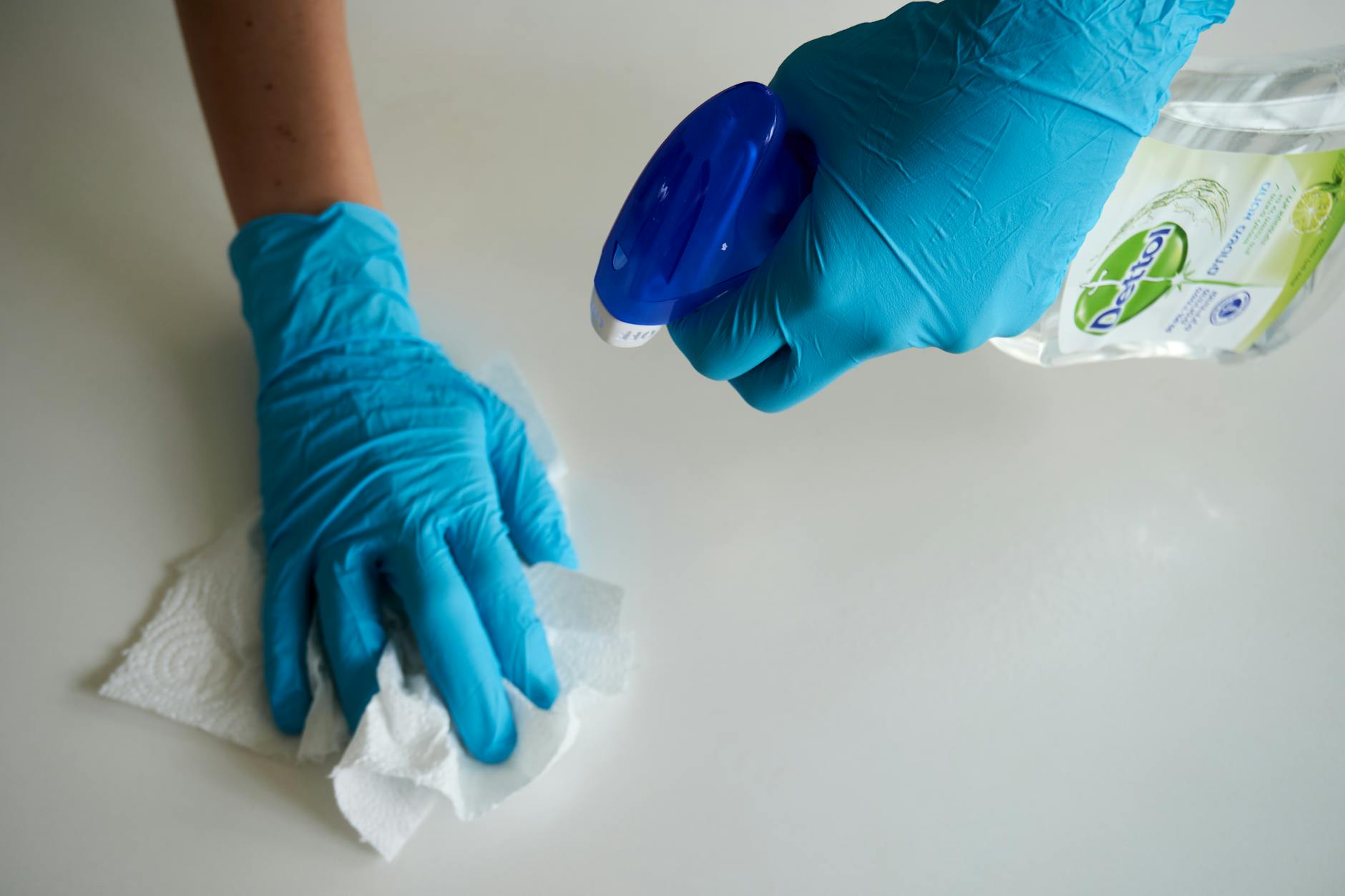
Rubbing alcohol, also known as isopropyl alcohol, is a staple in many Indian households, often found in first-aid kits. But did you know this common liquid is far more versatile than you might think? From disinfecting surfaces to tackling stubborn stains, rubbing alcohol can be a surprisingly useful tool. However, like any potent substance, it comes with its own set of precautions. Let's explore the many ways you can safely use rubbing alcohol around your home and what you should absolutely avoid.
Manufacturers typically offer rubbing alcohol in two common strengths: 70% and 90% isopropyl alcohol. The choice between them often depends on the intended use. Generally, the 70% solution is considered more suitable for topical applications on the skin, while the 90% solution can be more effective for cleaning and disinfecting surfaces due to its higher concentration and quicker evaporation rate.
Rubbing alcohol's cleaning and disinfecting properties make it a handy ally for a multitude of household tasks. Here are some practical ways to use it:
Your keyboard and mouse can harbor more germs than you'd like to imagine. For a quick and effective clean, use a 90% or higher rubbing alcohol solution. Dampen a cotton swab or a microfiber cloth with the alcohol and gently wipe down your computer mouse and keyboard. The alcohol evaporates quickly, minimizing the risk of damage to your electronics.
Tired of stubborn sticker marks left behind on furniture or glass? Saturate the sticker residue with rubbing alcohol, let it sit for about 10 minutes, and then wipe it away. This often makes the residue much easier to remove without damaging the underlying surface. This is a common scenario for parents dealing with a child's enthusiastic sticker art!
Cleaning dusty window blinds can be a tedious chore. Here's a clever trick: wrap an alcohol-dampened washcloth around a spatula and secure it with a rubber band. You can then easily slide the spatula between the blind slats to clean them efficiently.
Your makeup brushes need regular cleaning to prevent bacterial buildup. Rubbing alcohol is an excellent disinfectant for this purpose. Pour a small amount of rubbing alcohol into a shallow dish and dip your brushes in it, swirling gently. Allow them to air dry completely before using them again.
Accidentally used a permanent marker on the wrong surface? Don't panic! Apply rubbing alcohol to a cloth or cotton ball and gently rub the stain. For tougher marks, you might need to repeat the process. This works well on whiteboards and other non-porous surfaces.
On a chilly morning, a frosted windshield can be a nuisance. Mix one part water with two parts 70% rubbing alcohol in a spray bottle. Spray this solution onto your windshield. The alcohol lowers the freezing point of water, helping to melt the frost and making it easier to clear away.
Rubbing alcohol has long been a trusted item in many first-aid kits for good reason. Here are some of its medical uses:
You can use rubbing alcohol to disinfect surfaces of items like scissors, thermometers, and other frequently used tools. However, it's important to remember that alcohol isn't always a hospital-grade disinfectant and can sometimes damage the protective coatings on certain items, such as plastic or eyeglasses lenses.
If you've run out of deodorant in a pinch, rubbing alcohol can offer a temporary solution. You can spray it directly onto your underarms. However, it's best to avoid applying it immediately after shaving, as it can cause a stinging sensation. Some people add a few drops of essential oils, like lavender, to the alcohol for a more pleasant scent and added skin-soothing properties.
A cloth soaked in rubbing alcohol applied to aching muscles can provide a cooling sensation and potentially stimulate blood flow to the affected area. It's important to apply this only to a small area. Applying alcohol to your entire body could lead to harmful neurological effects as your skin can absorb it.
Need a flexible ice pack? Rubbing alcohol can help! Combine one part alcohol with three parts water in a sturdy, well-sealed plastic bag. Place this in your freezer. Before applying to an injury, always wrap the bag in a soft cloth to prevent frostbite. This DIY ice pack remains pliable even when frozen, conforming better to body contours.
While rubbing alcohol is useful, it's essential to use it safely. Never drink rubbing alcohol. Ingesting it can be deadly. It should only be used topically and under adult supervision for children. Furthermore, do not use rubbing alcohol to try and reduce a fever by applying it to the skin; this is ineffective and can be dangerous. Rubbing alcohol is also highly flammable, so keep it away from open flames and high heat sources.
Allergic Reactions: If you experience signs of an allergic reaction after using rubbing alcohol, such as difficulty breathing, hives, swelling of the face, lips, tongue, or throat, seek immediate emergency medical attention by calling 911 or your local emergency number.
While rubbing alcohol is useful for minor cleaning and first-aid needs, it's not a substitute for professional medical advice or treatment. If you have a significant cut or wound that requires cleaning, or if you're concerned about an infection, it's always best to consult a healthcare professional. For persistent muscle aches or skin irritations, a doctor can provide a proper diagnosis and treatment plan.
No, rubbing alcohol can damage the protective coating on certain surfaces, like some plastics and painted finishes. Always test on an inconspicuous area first.
The 70% solution is generally preferred for topical use on the skin as it evaporates more slowly, allowing more time for disinfection, and is less likely to cause irritation than the 90% solution.
While it has disinfectant properties, rubbing alcohol can irritate and damage healthy tissue, potentially slowing down healing. It's generally recommended to use saline solution or mild soap and water for cleaning wounds.
Yes, rubbing alcohol is highly flammable. Keep it away from heat, sparks, and open flames.
Visit Hospital
Near You
For years, long COVID had no proven treatment — only symptom management. That changed in July 2026, when UCL researchers published trial results showing a structured cognitive rehabilitation program produced lasting improvement in long COVID brain fog. This piece explains what the trial found, how i
July 23, 2026
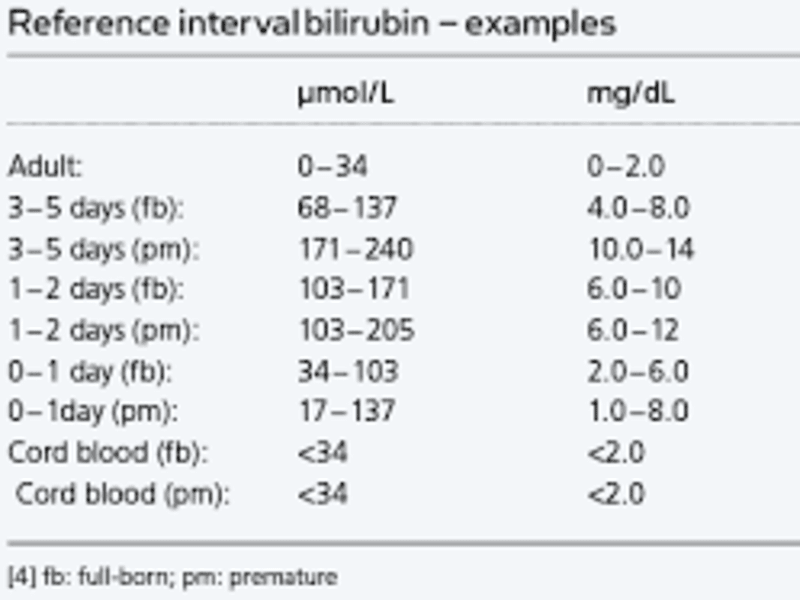
Bilirubin levels help assess liver health. This guide explains normal bilirubin values, types, causes of abnormal levels, symptoms, and when to seek medical advice.
April 11, 2026

Learn how to properly clean and care for your new ear piercing to ensure it heals beautifully and avoid infection. Follow our step-by-step guide for optimal results.
April 1, 2026