

Emergency & Help
24/7 Emergency & General Advisory
🚨 24/7 Medical Emergency
Non-Emergency Advisory
10:00 AM – 6:00 PM, Mon–Sat
For appointments & general queries.
24/7 Emergency & General Advisory
🚨 24/7 Medical Emergency
Non-Emergency Advisory
10:00 AM – 6:00 PM, Mon–Sat
For appointments & general queries.
Stay updated with our latest healthcare news and your appointments.
Discover the surprising versatility of rubbing alcohol! Learn its many uses for cleaning, first aid, and household tasks, along with essential safety tips for Indian households.

Rubbing alcohol, also known as isopropyl alcohol, is a staple in many Indian households. You might have a bottle tucked away in your medicine cabinet, perhaps for cleaning minor cuts or disinfecting surfaces. But did you know this common liquid is far more versatile than you might imagine? From tackling stubborn sticker residue to making your electronics sparkle, rubbing alcohol can be a surprisingly effective household cleaner and disinfectant. Let's explore the many practical ways you can use rubbing alcohol around your home, along with important safety precautions to keep in mind.
Before we dive into its uses, it's important to understand that rubbing alcohol comes in different concentrations, most commonly 70% and 90% isopropyl alcohol. The 70% solution is generally considered more skin-friendly, making it a better choice for topical applications like cleaning wounds. The 90% solution, with its higher alcohol content, evaporates more quickly and is often preferred for cleaning electronics and surfaces where rapid drying is beneficial. Always check the label to ensure you're using the right strength for the task at hand.
Rubbing alcohol has long been a go-to for basic medical needs:
Beyond the medicine cabinet, rubbing alcohol shines as a cleaning agent:
While incredibly useful, rubbing alcohol requires careful handling. It is essential to follow these safety guidelines:
While rubbing alcohol is a great tool for many household and minor first-aid needs, it's not a substitute for professional medical advice or treatment. If you have a serious injury, a persistent infection, or any health concerns, always consult a doctor. For example, if a minor cut cleaned with alcohol shows signs of infection like increased redness, swelling, or pus, it's time to see a healthcare professional.
A1: No. While it's great for many surfaces like glass, metal, and some plastics, avoid using it on porous materials, painted surfaces, or certain types of plastic that might be damaged by alcohol. Always test on an inconspicuous area first if you're unsure.
A2: The 70% solution is generally preferred for cleaning minor wounds. It stays on the skin surface longer, giving it more time to kill germs, and is less likely to cause irritation compared to the 90% solution.
A3: Yes, you can use a cloth lightly dampened with a 70% solution. However, be cautious not to let any liquid seep into the device's openings. Many phone manufacturers recommend specific screen cleaners or a dry microfiber cloth.
A4: Use rubbing alcohol with caution around pets. Ensure good ventilation, and prevent pets from ingesting it or having prolonged skin contact. Clean surfaces thoroughly after use, and store the alcohol securely.
Visit Hospital
Near You
For years, long COVID had no proven treatment — only symptom management. That changed in July 2026, when UCL researchers published trial results showing a structured cognitive rehabilitation program produced lasting improvement in long COVID brain fog. This piece explains what the trial found, how i
July 23, 2026
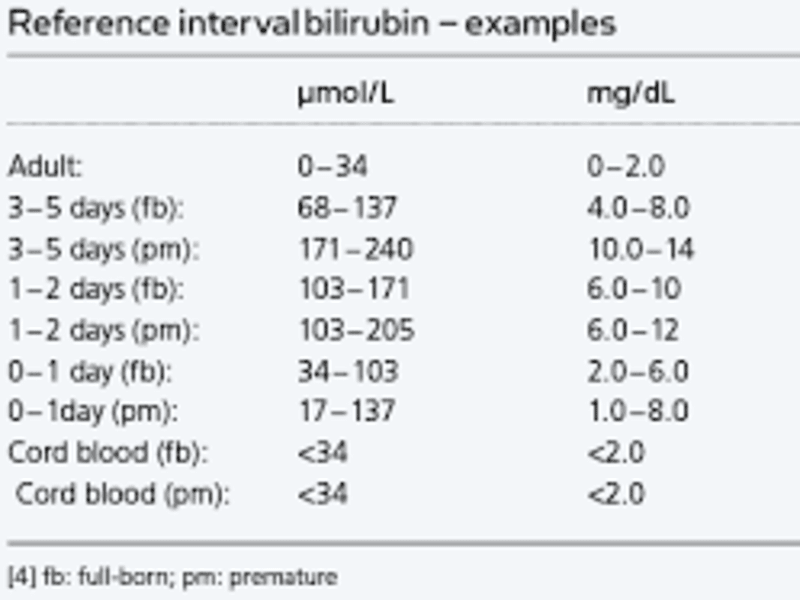
Bilirubin levels help assess liver health. This guide explains normal bilirubin values, types, causes of abnormal levels, symptoms, and when to seek medical advice.
April 11, 2026

Learn how to properly clean and care for your new ear piercing to ensure it heals beautifully and avoid infection. Follow our step-by-step guide for optimal results.
April 1, 2026