

Emergency & Help
24/7 Emergency & General Advisory
🚨 24/7 Medical Emergency
Non-Emergency Advisory
10:00 AM – 6:00 PM, Mon–Sat
For appointments & general queries.
24/7 Emergency & General Advisory
🚨 24/7 Medical Emergency
Non-Emergency Advisory
10:00 AM – 6:00 PM, Mon–Sat
For appointments & general queries.
Stay updated with our latest healthcare news and your appointments.
Discover the best practices for brushing your teeth after using whitening strips to achieve a brighter smile safely and effectively. Learn about timing, technique, and managing potential side effects.
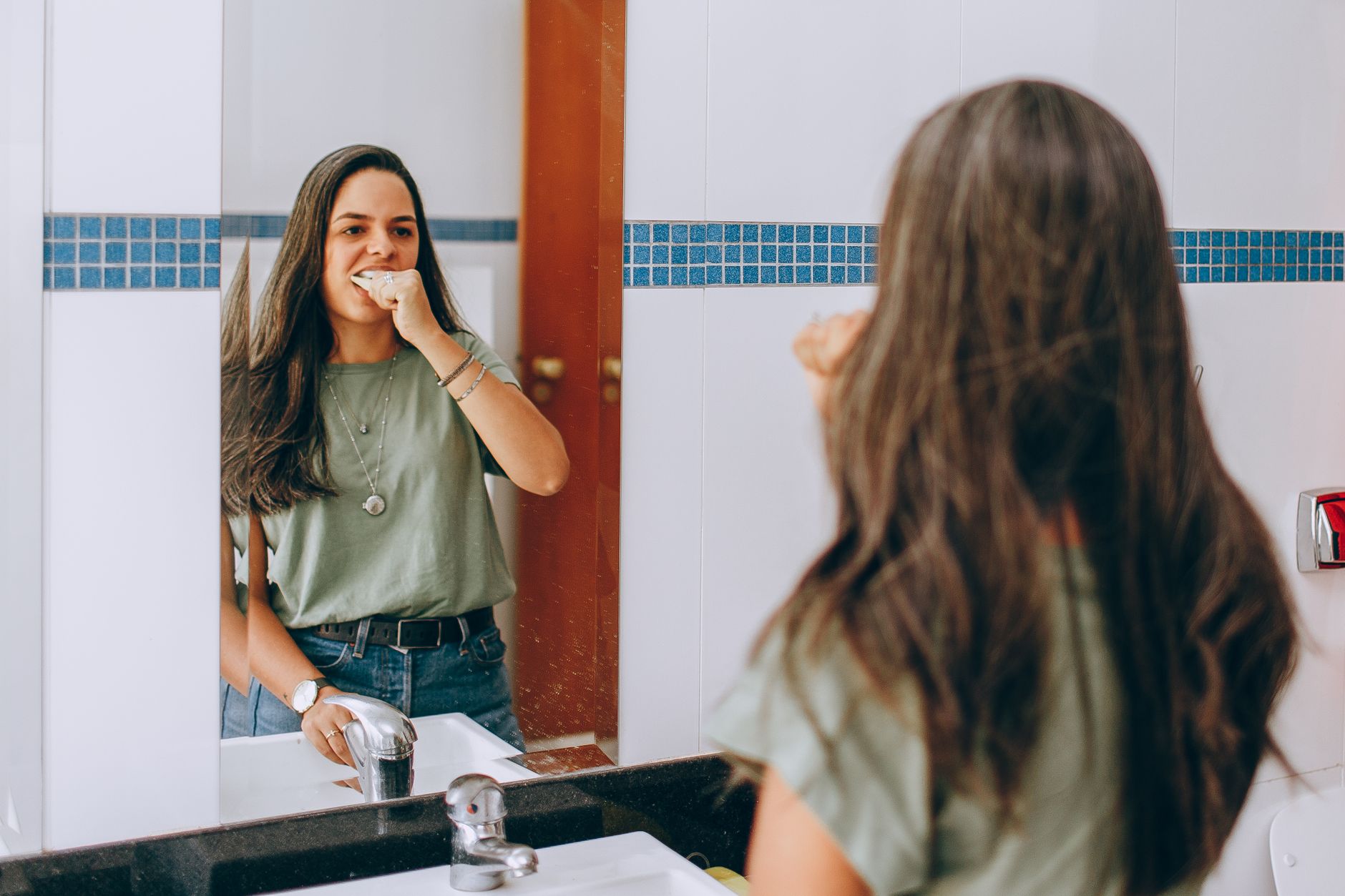
You've just finished a session with your teeth whitening strips, and a thought crosses your mind: should you brush your teeth now? It's a common question, and understanding the best practice can help you achieve a brighter smile without unwanted side effects. Many people wonder if brushing immediately after using these strips will wash away the whitening agents or harm their newly treated teeth. Let's clear up the confusion and guide you on how to effectively incorporate whitening strips into your oral hygiene routine.
Whitening strips have become a popular at-home solution for those seeking a whiter smile. These thin, flexible plastic strips are coated with a peroxide-based gel, typically hydrogen peroxide or carbamide peroxide. When you apply them to your teeth, the peroxide works to break down stains on the enamel's surface, making your teeth appear lighter. While they offer convenience and visible results, it's essential to use them correctly to maximise their effectiveness and minimise potential discomfort.
The magic behind whitening strips lies in their active ingredient: peroxide. This bleaching agent penetrates the tooth enamel to reach the discoloured molecules within. By breaking these molecules apart, the peroxide effectively reduces the appearance of stains, leading to a brighter smile. Most treatments involve wearing the strips for a specific duration, often 30 minutes, once or twice a day, and repeating this for a course of 10 to 14 days, depending on the product's instructions.
So, can you brush your teeth after using whitening strips? The short answer is yes, it is generally safe to brush and floss your teeth after removing whitening strips. This action won't diminish the whitening results you've worked to achieve. However, the way you brush is important.
Think of it like this: after a good workout, your muscles might be a bit tired. You wouldn't immediately lift extremely heavy weights, right? Similarly, your teeth and gums need a gentle approach after the whitening treatment.
You might also be wondering about brushing before applying the strips. This is actually a great practice! Brushing your teeth before using whitening strips can help remove plaque and food debris. This ensures that the whitening strips can adhere more effectively to your clean teeth, potentially leading to more even and efficient whitening results.
Important Note: If you choose to brush before applying the strips, it's advisable to wait at least 30 minutes after brushing before putting the strips on. Brushing right before application might cause gum irritation because brushing can sometimes make your gums slightly more sensitive. Allowing this short buffer time helps minimise that risk.
While whitening strips are a convenient cosmetic treatment, they do come with potential side effects. Understanding these can help you use them more safely and manage any issues that arise:
This is perhaps the most common side effect. The peroxide in the strips can penetrate the enamel and reach the dentin, the layer beneath. Dentin contains tiny tubules that lead to the tooth's nerves. When peroxide irritates these nerves, it can cause temporary sensitivity. You might experience pain or discomfort when your teeth are exposed to:
This sensitivity is usually temporary and may last a few days. If you experience it, taking a break from the strips for a day or two can help. Once the sensitivity subsides, you can try resuming the treatment, perhaps using the strips for a shorter duration or less frequently, if the product instructions allow.
The peroxide gel can also irritate your gum tissue, especially if it comes into prolonged contact with them or if you have sensitive gums. This can manifest as redness, soreness, or a tingling sensation along the gum line. Using the strips carefully, ensuring they don't overlap too much onto your gums, and brushing gently afterwards can help prevent this.
Sometimes, the results might not be perfectly uniform. This can happen if there's plaque or debris on the teeth before application, or if the strips don't adhere evenly. Brushing thoroughly before application and ensuring the strips are well-positioned can help mitigate this.
Once you've achieved your desired shade, you'll want to maintain it. Here are some practical tips for keeping your teeth white:
While whitening strips are generally safe for most people, it’s wise to consult your dentist before starting any whitening treatment, especially if you:
Your dentist can assess your oral health, discuss the best whitening options for you, and advise on managing potential side effects. If you experience severe or persistent tooth sensitivity, gum pain, or any other concerning symptoms during or after using whitening strips, seek professional dental advice promptly.
It's generally best to avoid alcohol-based mouthwashes immediately after using whitening strips, as they can sometimes increase sensitivity. If you want to rinse, a gentle rinse with plain water is usually sufficient. Wait a while before using your regular mouthwash.
After removing the strips, it's a good idea to wait at least 30 minutes to an hour before eating or drinking, especially staining foods or beverages. This allows your teeth to recover slightly and minimises the chance of re-staining them immediately.
A slightly rough or sensitive feeling can be normal due to the peroxide. However, if it's severe or persistent, it's best to consult your dentist. Ensure you're brushing gently with a soft brush.
Visit Hospital
Near You
For years, long COVID had no proven treatment — only symptom management. That changed in July 2026, when UCL researchers published trial results showing a structured cognitive rehabilitation program produced lasting improvement in long COVID brain fog. This piece explains what the trial found, how i
July 23, 2026
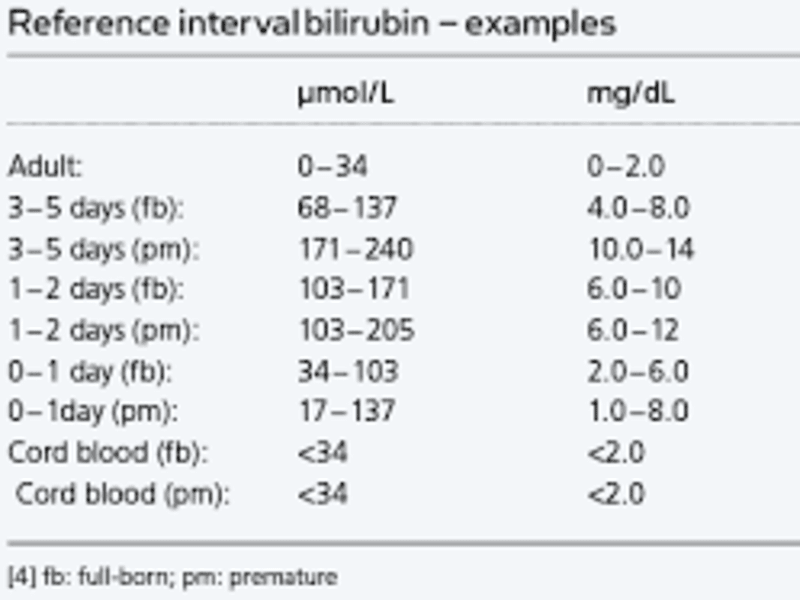
Bilirubin levels help assess liver health. This guide explains normal bilirubin values, types, causes of abnormal levels, symptoms, and when to seek medical advice.
April 11, 2026

Learn how to properly clean and care for your new ear piercing to ensure it heals beautifully and avoid infection. Follow our step-by-step guide for optimal results.
April 1, 2026