

Emergency & Help
24/7 Emergency & General Advisory
🚨 24/7 Medical Emergency
Non-Emergency Advisory
10:00 AM – 6:00 PM, Mon–Sat
For appointments & general queries.
24/7 Emergency & General Advisory
🚨 24/7 Medical Emergency
Non-Emergency Advisory
10:00 AM – 6:00 PM, Mon–Sat
For appointments & general queries.
Stay updated with our latest healthcare news and your appointments.
Explore the incredible healing journey of your lungs after quitting smoking. Discover the timeline of recovery, visual changes, and profound health benefits, empowering you to embrace a smoke-free life and understand your body's amazing capacity for repair.

For millions worldwide, smoking is a habit that carries profound health consequences, primarily impacting the lungs. The image of a smoker's blackened, diseased lung compared to a healthy, pink one is a stark and often disturbing visual that underscores the damage caused by tobacco. However, what many people don't realize is the incredible capacity of the human body to heal and regenerate once the harmful assault of cigarette smoke ceases. This article delves into the remarkable journey of lung recovery after quitting smoking, exploring the visual, functional, and physiological changes that occur over time. While we cannot literally show 'pictures' of your specific lungs healing, we can paint a vivid picture of the transformation, offering hope and motivation to those considering or actively on their quitting journey.
Understanding what happens inside your body, especially your lungs, can be a powerful motivator. From the immediate improvements in cardiovascular function to the long-term reduction in cancer risk, the benefits of quitting smoking are profound and measurable. We'll explore the timeline of recovery, the symptoms you can expect as your lungs heal, and the critical role medical monitoring plays in ensuring optimal health post-cessation. Join us as we uncover the science behind lung regeneration and celebrate the body's resilience.
To truly appreciate the recovery process, it's essential to understand the immediate and cumulative damage inflicted by smoking. Each puff of a cigarette introduces a cocktail of over 7,000 chemicals into your respiratory system, including at least 250 known to be harmful and more than 70 that are carcinogenic. These chemicals wreak havoc on lung tissue in several ways:
The cumulative effect is a gradual deterioration of lung function, elasticity, and overall health, often manifesting as chronic cough, shortness of breath, frequent respiratory infections, and an increased risk of life-threatening diseases.
The moment you extinguish your last cigarette, your body begins an incredible healing process. This recovery is not instantaneous, but a gradual, progressive journey with measurable health improvements occurring at different stages:
It's important to note that while the body has an incredible capacity for healing, some damage, particularly from severe long-term smoking leading to conditions like emphysema, may be irreversible. However, quitting always stops further progression of damage and improves quality of life.
The visual difference between healthy lungs and smoker's lungs is striking and serves as a powerful testament to the destructive power of tobacco. While you won't see your own lungs, understanding these differences can reinforce the benefits of quitting.
Healthy lungs are typically pinkish in color, soft, and spongy in texture. They are highly elastic, allowing them to expand and contract efficiently with each breath. The airways are clear, and the delicate alveolar sacs (where gas exchange occurs) are intact and numerous, providing a vast surface area for oxygen absorption and carbon dioxide release. The cilia lining the bronchial tubes are actively sweeping away foreign particles, keeping the lungs clean and protected.
In contrast, smoker's lungs often appear discolored, ranging from grey to black, due to the accumulation of tar and other particulate matter. They lose their elasticity, becoming stiff and less able to expand fully. The airways are frequently inflamed and narrowed, leading to chronic bronchitis. The delicate alveolar walls can be destroyed, merging into larger, less efficient air sacs, a condition known as emphysema. This significantly reduces the surface area for gas exchange, making breathing difficult. The cilia are damaged or destroyed, impairing the lungs' ability to self-clean, leading to chronic cough, mucus buildup, and increased susceptibility to infections like pneumonia and bronchitis. Over time, these changes can lead to cancerous growths, which appear as abnormal masses or lesions.
After quitting, the lungs begin to shed some of the accumulated tar and toxins. The pinkish color may slowly return, especially in peripheral areas, and the inflammation starts to subside. While the structural damage of emphysema is largely irreversible, the reduction in inflammation, improved ciliary function, and enhanced blood flow contribute to a significant improvement in overall lung health and function. The body's immune system also becomes more effective at fighting off potential cancerous cells.
As your lungs heal, you'll likely notice several positive changes in your body and overall well-being. These symptoms are clear indicators that your decision to quit is paying off:
These improvements are not just superficial; they reflect a fundamental shift towards better internal health and a significantly enhanced quality of life.
Even after quitting, regular medical check-ups are crucial, especially if you have a history of heavy or long-term smoking. Monitoring lung health helps track recovery, detect any residual damage, and screen for potential complications.
Your doctor will determine the appropriate screening schedule based on your age, smoking history, and any existing symptoms. Consistent follow-up ensures that any issues are identified and addressed promptly, maximizing your long-term health outcomes.
While quitting smoking initiates the healing process, some individuals may require additional support or treatment for residual lung damage or to manage withdrawal symptoms.
It's crucial to discuss all available options with your doctor to create a personalized plan that addresses both your quitting journey and any existing lung health concerns.
The best way to maintain healthy lungs after quitting smoking is to prevent future exposure to tobacco smoke and avoid relapse. This involves a combination of environmental, lifestyle, and behavioral strategies.
Prevention is an ongoing commitment, but the long-term rewards of a smoke-free life are immeasurable.
While quitting smoking dramatically improves your health, it's essential to remain vigilant for any lingering or new symptoms that could indicate underlying issues. Always consult your doctor if you experience any of the following:
These symptoms could indicate the presence of lingering damage, new complications, or even lung cancer, which can still develop years after quitting, especially in former heavy smokers. Early detection and intervention are critical for the best possible outcomes.
A: While the lungs have an amazing capacity for healing, some damage from 30 years of smoking, particularly structural changes like emphysema (destruction of alveolar walls), is largely irreversible. However, quitting will significantly stop the progression of further damage, reduce inflammation, improve ciliary function, and drastically lower your risk of developing lung cancer, heart disease, and other smoking-related illnesses. Many former long-term smokers experience substantial improvements in their breathing and overall health.
A: The clearing process begins almost immediately. Within days, cilia start to repair, allowing the lungs to more effectively clear mucus and trapped particles. A significant reduction in coughing and phlegm can be noticed within 1 to 9 months. While some tar and toxins will be expelled, a complete 'clearing' of all discoloration or microscopic damage can take many years, and some changes may persist indefinitely. The key is that the ongoing damage stops, and the body's natural repair mechanisms kick in.
A: Yes, healthy lungs have remarkable self-cleaning mechanisms, primarily through the action of cilia and mucus. Mucus traps foreign particles, and cilia sweep this mucus upwards and out of the airways. Macrophages (immune cells) also engulf and remove debris. Smoking severely impairs these natural cleaning processes. Quitting allows these mechanisms to recover and function more effectively, enabling the lungs to clean themselves again.
A: While the healing timeline is largely physiological, you can support and optimize the process by:
A: No, it is never too late to quit smoking. While quitting earlier yields greater benefits, stopping at any age, even in your 60s or 70s, can significantly improve your health and quality of life. You'll reduce your risk of heart attack, stroke, cancer, and other chronic diseases, experience better breathing, and likely live longer and healthier than if you continued to smoke. Every smoke-free day is a step towards better health.
The journey of lung recovery after quitting smoking is a testament to the human body's incredible capacity for healing. While the visual evidence of a smoker's lung is stark, the unseen processes of regeneration and repair that begin the moment you quit are truly remarkable. From the immediate drop in heart rate to the long-term reduction in cancer risk, every step of the timeline brings measurable health benefits and a renewed sense of vitality.
Quitting smoking is one of the most impactful decisions you can make for your health. It not only halts further damage but actively reverses many of the harmful effects of tobacco. While some damage, particularly from long-term heavy smoking, may be irreversible, the improvements in lung function, reduced risk of disease, and enhanced quality of life are profound and undeniable. Embrace this journey with hope and determination, knowing that with each smoke-free day, your lungs are working to restore themselves, paving the way for a healthier, more vibrant future.
For years, long COVID had no proven treatment — only symptom management. That changed in July 2026, when UCL researchers published trial results showing a structured cognitive rehabilitation program produced lasting improvement in long COVID brain fog. This piece explains what the trial found, how i
July 23, 2026
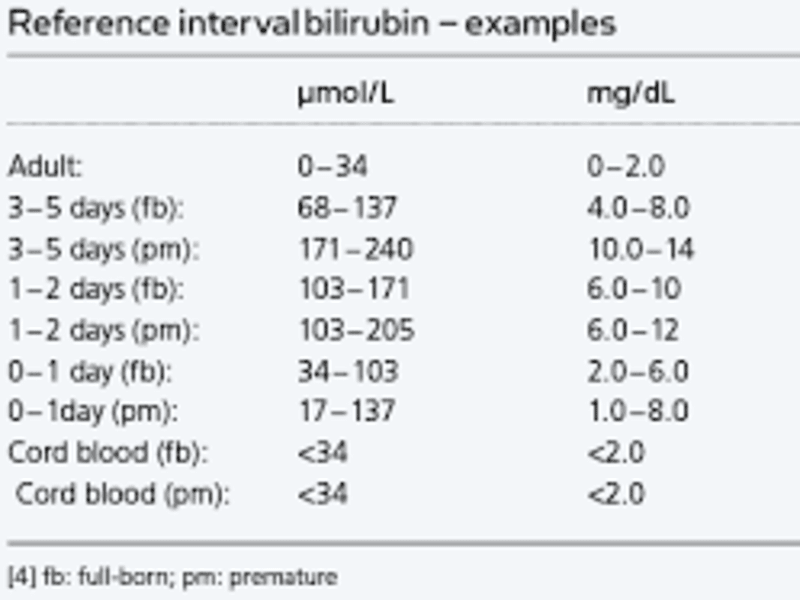
Bilirubin levels help assess liver health. This guide explains normal bilirubin values, types, causes of abnormal levels, symptoms, and when to seek medical advice.
April 11, 2026

Learn how to properly clean and care for your new ear piercing to ensure it heals beautifully and avoid infection. Follow our step-by-step guide for optimal results.
April 1, 2026