

Emergency & Help
24/7 Emergency & General Advisory
🚨 24/7 Medical Emergency
Non-Emergency Advisory
10:00 AM – 6:00 PM, Mon–Sat
For appointments & general queries.
24/7 Emergency & General Advisory
🚨 24/7 Medical Emergency
Non-Emergency Advisory
10:00 AM – 6:00 PM, Mon–Sat
For appointments & general queries.
Stay updated with our latest healthcare news and your appointments.
Learn practical tips to manage and alleviate dry eye symptoms while traveling, ensuring a more comfortable journey.

Dry eye disease is a common condition that affects millions worldwide. It occurs when your eyes don't produce enough tears, or when the tears evaporate too quickly, leading to discomfort, blurred vision, and potential damage to the eye's surface. While dry eye can be a daily challenge, it often becomes more pronounced during travel. The unique environmental factors encountered during trips can exacerbate symptoms, making it crucial to have a proactive management plan.
Several aspects of travel can contribute to or worsen dry eye symptoms:
Fortunately, with some preparation and mindful practices, you can significantly improve your comfort and manage dry eye symptoms while traveling. Here are some effective strategies:
Before you even leave home, ensure your travel bag is equipped with the right tools:
Staying hydrated from the inside out is crucial for tear production:
Shielding your eyes from harsh environmental factors can make a significant difference:
Conscious habits can help maintain eye comfort:
Pay attention to the environment and adjust accordingly:
While these tips can help manage dry eye symptoms during travel, it's important to know when to seek professional medical advice:
Traveling can be an enriching experience, but for those with dry eye disease, it can present unique challenges. By understanding the factors that contribute to dry eye during travel and implementing proactive strategies such as staying hydrated, protecting your eyes, packing essential supplies, and practicing good eye habits, you can significantly enhance your comfort and enjoy your journey. Remember to listen to your body, take breaks when needed, and don't hesitate to seek professional help if your symptoms become unmanageable. With the right preparation, you can keep your eyes comfortable and healthy, no matter where your adventures take you.
This section adds practical context and preventive advice to help readers make informed healthcare decisions. It is important to verify symptoms early, consult qualified doctors, and avoid self-medication for persistent health issues.
Maintaining healthy routines, following prescribed treatment plans, and attending regular checkups can improve outcomes. If symptoms worsen or red-flag signs appear, immediate medical evaluation is recommended.
Track symptoms and duration.
Follow diagnosis and treatment from a licensed practitioner.
Review medication side effects with your doctor.
Seek urgent care for severe warning signs.
Visit Hospital
Near You

For years, long COVID had no proven treatment — only symptom management. That changed in July 2026, when UCL researchers published trial results showing a structured cognitive rehabilitation program produced lasting improvement in long COVID brain fog. This piece explains what the trial found, how i
July 23, 2026
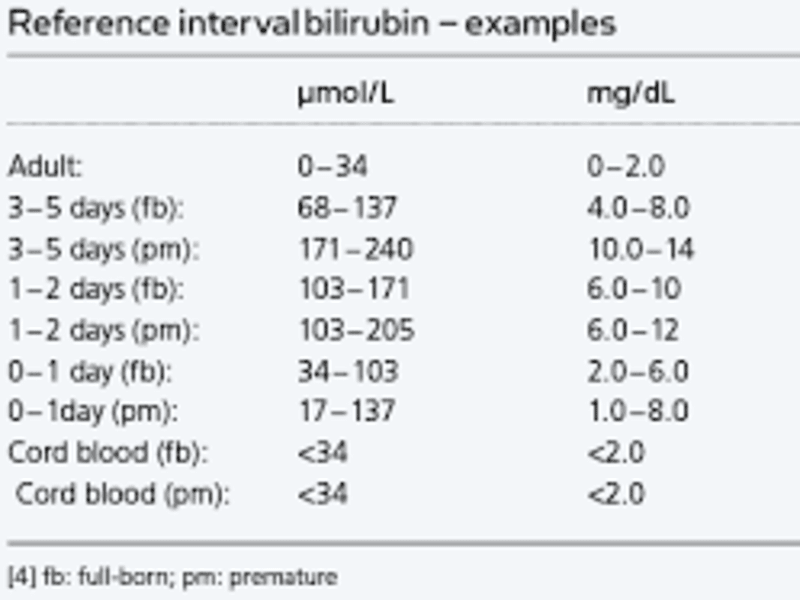
Bilirubin levels help assess liver health. This guide explains normal bilirubin values, types, causes of abnormal levels, symptoms, and when to seek medical advice.
April 11, 2026

Learn how to properly clean and care for your new ear piercing to ensure it heals beautifully and avoid infection. Follow our step-by-step guide for optimal results.
April 1, 2026