

Emergency & Help
24/7 Emergency & General Advisory
🚨 24/7 Medical Emergency
Non-Emergency Advisory
10:00 AM – 6:00 PM, Mon–Sat
For appointments & general queries.
24/7 Emergency & General Advisory
🚨 24/7 Medical Emergency
Non-Emergency Advisory
10:00 AM – 6:00 PM, Mon–Sat
For appointments & general queries.
Stay updated with our latest healthcare news and your appointments.
Learn essential, practical tips for cleaning your private parts after urination to maintain hygiene, prevent infections, and promote overall genital health. Discover safe methods for both vulva and penis care.
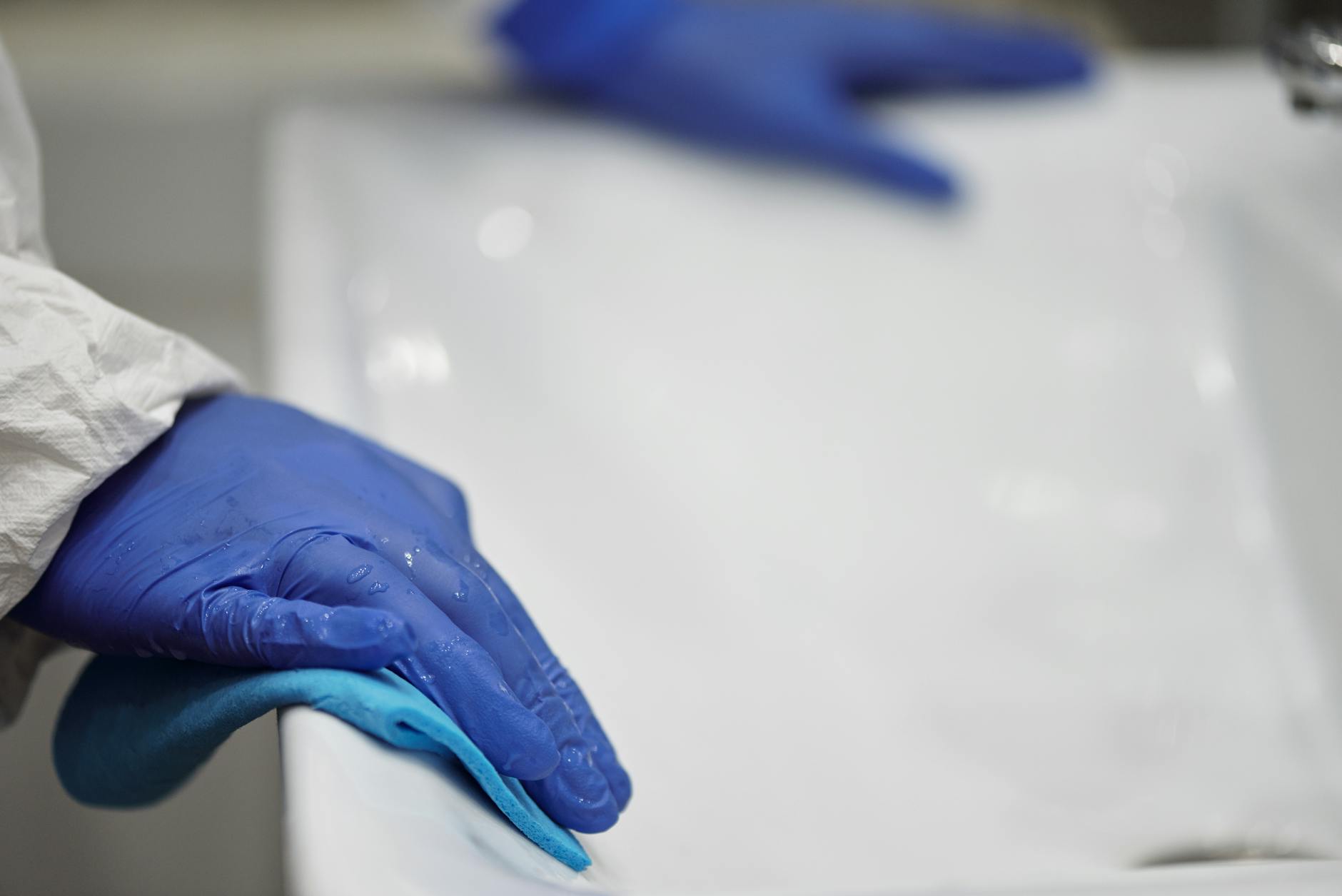
We all do it multiple times a day, but how much thought do we really give to what happens after we pee? It might seem like a simple, mundane bodily function, but the way you handle your personal hygiene following urination can have a significant impact on your health. This isn't just about avoiding embarrassing odors; it's about preventing infections and maintaining the delicate balance of your body's natural systems. Let's dive into the essential practices for keeping your private parts clean and healthy, focusing on practical, safe methods suitable for everyone in India.
Think about it: your genital area is a warm, often moist environment. These are prime conditions for bacteria to thrive. Leftover urine droplets can create a breeding ground for unwelcome guests, leading to potential issues like skin irritation, unpleasant odours, and, more seriously, infections. For those with a vulva, this can increase the risk of bacterial infections and urinary tract infections (UTIs). For everyone, maintaining good hygiene helps prevent discomfort and promotes overall well-being.
A 2018 study from the University of Guelph highlighted a concerning trend: the use of intimate washes among individuals with a vulva increased their risk of bacterial infections by a significant 3.5 percent, and also raised their likelihood of developing a UTI. This underscores a vital point: sometimes, less is more, and gentle, natural methods are often the safest bet.
It's important to distinguish between the vulva and the vagina. The vagina is the internal muscular canal, and it's wonderfully self-cleaning. It doesn't need washing or douching. What we need to focus on is the vulva – the external part of your genitals. This includes the labia (lips), clitoris, and the vaginal opening.
This is the most common and accessible method.
If you have access to a bidet or a gentle spray bottle, this can be an excellent, hands-free option.
Here’s a crucial point: avoid soap whenever possible. Soaps, especially those with fragrances or harsh chemicals, can disrupt the natural pH balance of the vulva, strip away protective moisture, and lead to irritation, dryness, and even allergic reactions. Dr. Brynna Connor, a healthcare ambassador, warns, “Soap can actually be harmful and cause irritation and sensitivity and potential allergic reactions.” If you feel you absolutely must use a cleanser, opt for a very mild, unscented, pH-balanced soap specifically designed for intimate hygiene, and use it sparingly only on the external areas.
For individuals with a penis, the process is straightforward but equally important.
While shaking is usually sufficient, the dabbing step is a valuable addition for ensuring complete dryness and preventing potential issues.
For those who follow Islamic practices, Istinjaa` (استنجاء) is an important ritual of purification after urination and defecation. It's an obligatory practice mentioned in the Quran, and its procedures are specific.
The preferred method often involves using toilet paper followed by water. While soap can be used, it's not a mandatory part of the ritual. After Istinjaa`, it is customary to cover the private parts immediately.
Good genital hygiene extends beyond just the act of cleaning after urination. Consider these broader tips:
While good hygiene practices can prevent many issues, it's important to know when to consult a doctor. Seek professional medical help if you experience any of the following:
Don't ignore these symptoms. Early diagnosis and treatment are key to preventing complications.
Generally, it's best to avoid wet wipes, especially those containing alcohol or strong fragrances. They can be harsh on the delicate skin of your genitals, disrupt the natural pH balance, and potentially cause irritation or allergic reactions. If you must use a wipe, choose one that is specifically designed for sensitive skin, alcohol-free, fragrance-free, and use it gently.
Cleaning after urination is essential every time. Beyond that, daily bathing or showering is recommended. Over-cleaning can be just as harmful as under-cleaning, so stick to gentle methods and avoid unnecessary douching or harsh scrubbing.
The best way is consistent, gentle hygiene. Ensure you are thoroughly drying the area after urination and bathing. Wearing breathable cotton underwear and changing it daily also makes a big difference. Avoiding scented products and staying hydrated can also help maintain freshness.
A very mild, natural odour can be normal. However, a strong, foul, or persistent odour is often a sign of an underlying issue, such as an infection or imbalance, and warrants a visit to the doctor.
Taking care of your intimate hygiene is a fundamental aspect of your overall health. By following these simple, practical guidelines, you can ensure comfort, prevent infections, and maintain your well-being. Remember, gentle care and mindful practices go a long way!
Visit Hospital
Near You
For years, long COVID had no proven treatment — only symptom management. That changed in July 2026, when UCL researchers published trial results showing a structured cognitive rehabilitation program produced lasting improvement in long COVID brain fog. This piece explains what the trial found, how i
July 23, 2026
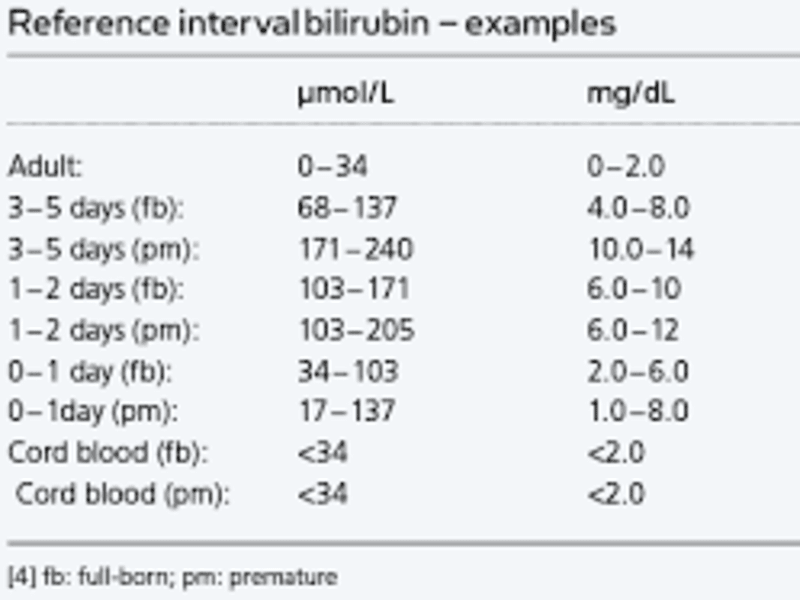
Bilirubin levels help assess liver health. This guide explains normal bilirubin values, types, causes of abnormal levels, symptoms, and when to seek medical advice.
April 11, 2026

Learn how to properly clean and care for your new ear piercing to ensure it heals beautifully and avoid infection. Follow our step-by-step guide for optimal results.
April 1, 2026