Diabetes & Dengue: A Grave Combination in India
Meena, 45, a homemaker from Jaipur, experienced a high fever and intense body aches. Initially, she attributed it to a common viral infection prevalent during the monsoon. However, her condition deteriorated rapidly.
Her blood glucose levels, already a concern due to her type 2 diabetes, surged dramatically. This scenario unfortunately unfolds more frequently than we would like to acknowledge across India.
The interaction between diabetes and dengue fever poses a particularly serious health challenge for millions in our nation. While both conditions represent significant public health issues individually, their co-occurrence can drastically elevate the intensity and mortality rates of dengue.
Consider it this way: a body already struggling with blood sugar regulation is suddenly afflicted by a virus that targets the vascular system and can lead to bleeding. It's a devastating double impact.
Understanding the Dual Threat
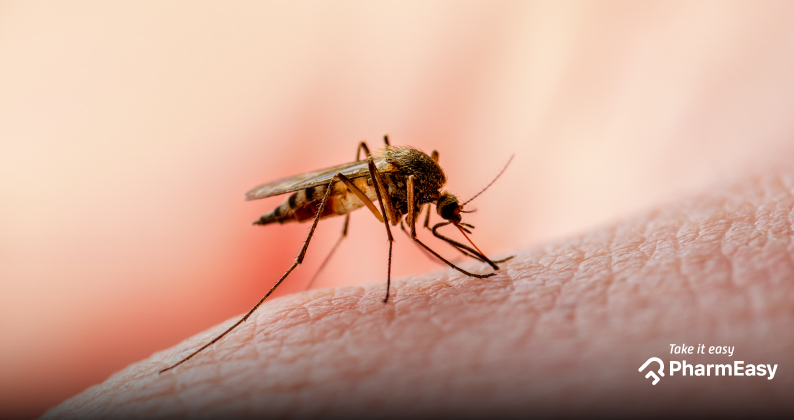
Dengue, a viral illness transmitted by mosquitoes, is endemic in India, with outbreaks frequently occurring during and after the monsoon season. The World Health Organization (WHO) estimates that 390 million individuals are infected annually worldwide.
It sounds simple. It rarely is.
In India, recent years have recorded hundreds of thousands of reported cases each year, marking it as a persistent danger, particularly in urban and semi-urban settings where mosquito breeding is prevalent. The dengue virus exists in four distinct serotypes, and contracting one does not confer lifelong immunity against the others; subsequent infections can heighten the likelihood of critical dengue.
Diabetes mellitus, conversely, is a chronic metabolic concern marked by elevated blood glucose levels. India is frequently dubbed the 'diabetes capital of the world'. The Indian Council of Medical Research (ICMR) reported in 2023 that over 101 million Indians live with diabetes, a startling figure that highlights the widespread nature of this ailment.
Prediabetes affects an even larger portion of the population, numbering approximately 138 million. This epidemic is fueled by a complex interplay of genetic predisposition, rapid urbanization, evolving dietary patterns—consider the rich sweets during festivals like Diwali—and inactive lifestyles.
How Diabetes Amplifies Dengue Severity
When an individual with diabetes contracts dengue, their body's capacity to mount an effective immune response is often compromised. This is where the situation becomes critical. High blood sugar levels can impair the function of immune cells, making it more difficult for the body to combat the dengue virus.
This is where most patients struggle.
What's more,, persistent hyperglycemia associated with diabetes can result in widespread inflammation and damage to blood vessels (endothelial dysfunction). The dengue virus also targets endothelial cells, so pre-existing vascular weakness in individuals with diabetes creates a favorable environment for severe disease progression.
In many instances, individuals with diabetes may experience a more intense dengue infection. The probability of developing dengue hemorrhagic fever (DHF) and dengue shock syndrome (DSS)—the most perilous forms of the illness—is considerably elevated.
These critical forms are characterized by plasma leakage, fluid accumulation, breathing difficulties, profuse bleeding, and organ dysfunction. A study published in The Lancet Infectious Diseases indicated that individuals with co-existing diabetes are more susceptible to developing critical dengue, frequently necessitating intensive care support.
Practically speaking, the complications do not cease there. Individuals with diabetes often have other co-existing conditions like hypertension and kidney disease, which further complicate dengue management.
It sounds simple. It rarely is.
The metabolic imbalances caused by uncontrolled diabetes can also make it challenging to manage fluid balance and electrolyte levels, vital aspects of critical care for severe dengue. Does this sound familiar to anyone who has navigated complex medical challenges?
Specific Risks for Individuals with Diabetes Experiencing Dengue
1. Increased Likelihood of Critical Dengue: As previously stated, the tendency for DHF and DSS is markedly increased. This translates to higher rates of illness and death. Data from various Indian medical facilities suggests a disproportionately higher rate of ICU admissions among individuals with diabetes and dengue compared to those without diabetes.
2. Bleeding Complications: Diabetes can affect platelet function and raise the risk of bleeding. Dengue itself causes thrombocytopenia (a low platelet count) and increases vascular permeability, leading to hemorrhage. The combination can result in profound, life-threatening bleeding events, even in seemingly mild cases.
3. Organ Dysfunction: Both diabetes and critical dengue can independently lead to organ damage, particularly affecting the kidneys and liver. When they occur concurrently, the combined strain on these essential organs can be overwhelming, leading to acute kidney injury (AKI) or hepatic dysfunction.
4. Delayed Recovery and Lingering Effects: Individuals with diabetes may experience a prolonged period of recuperation following a dengue infection. The viral illness can worsen underlying diabetic complications, and the stress of the infection can make blood glucose regulation extremely difficult for weeks or months afterward. This disruption can have lasting consequences on their overall well-being.
5. Diagnostic Hurdles: At times, the symptoms of dengue can overlap with diabetic emergencies such as ketoacidosis. Distinguishing between these conditions, especially in the initial stages, can be difficult for medical professionals, potentially leading to delayed or incorrect treatment. Appropriate diagnostic protocols are essential.
Managing Dengue in Individuals with Diabetes: A Crucial Approach
What concrete steps should be taken? Managing dengue in someone with diabetes demands a heightened level of awareness and a customized medical strategy.
Close observation of blood glucose levels is paramount. Hyperglycemia must be managed assertively, but caution is required to avoid hypoglycemia, especially if the individual is on medications that might interact with the physiological stress of the infection.
Adequate hydration is vital, but careful management of fluids is necessary, particularly for those at possibility of fluid overload or with impaired kidney function. The selection of antipyretics (fever reducers) also requires careful consideration.
While paracetamol is generally safe, NSAIDs such as aspirin and ibuprofen are often inadvisable in dengue due to the increased possibility of bleeding and Reye's syndrome.
Prompt identification and management of warning signs of critical dengue are indispensable. These include intense abdominal pain, persistent vomiting, bleeding from mucous membranes, lethargy, and liver enlargement.
This is where most those affected struggle.
Immediate hospitalization and close monitoring are required if any of these indicators appear. Experienced medical teams, such as those at leading institutions like AIIMS (All India Institute of Medical Sciences), are well-prepared to handle such complex cases.
For individuals managing diabetes, preventing dengue is as crucial as managing the infection itself. This entails rigorous strategies to avoid mosquito bites: employing repellents, wearing protective attire, installing screens on windows and doors, and eliminating potential mosquito breeding grounds around residences—such as stagnant water in coolers or plant saucers, a prevalent issue after rainfall.
The contribution of community health workers and public health initiatives in educating the public about these risks cannot be overstated. Awareness regarding the elevated danger when diabetes and dengue intersect is a vital step toward improved health outcomes.
Sitting on the floor, a usual practice in many Indian homes, can increase exposure to mosquitoes if breeding sites are present at ground level. Simple preventive measures, consistently implemented, can yield a marked positive difference.
Recovery is rarely linear.
The Importance of Integrated Healthcare
Frankly, the most impactful approach involves an integrated healthcare strategy. Individuals with diabetes should maintain regular communication with their endocrinologist or primary care physician, ensuring their diabetes is well-managed.
They should also be informed about the dengue likelihood in their area and proactively adopt preventive measures, particularly during peak transmission periods. Healthcare providers, in turn, must be trained to recognize the heightened danger profile of individuals with diabetes during dengue outbreaks and adapt their management plans accordingly.
The International Diabetes Federation (IDF) underscores the necessity of thorough care for individuals with diabetes, which inherently includes readiness for infectious diseases. Early diagnosis, aggressive management of hyperglycemia, meticulous observation for signs of critical dengue, and prompt supportive care form the foundation of reliable management.
The combined impact of diabetes and dengue on the body's systems necessitates a vigilant and proactive stance from both healthcare providers and individuals managing their concern.
Key Takeaways
- Diabetes significantly elevates the likelihood of severe dengue, encompassing dengue hemorrhagic fever and shock syndrome.
- Over 101 million Indians live with diabetes (ICMR, 2023), making this co-infection a major public health concern.
- Individuals with diabetes are more susceptible to bleeding complications and organ impairment (kidneys, liver) when infected with dengue.
- Close monitoring of blood glucose and careful fluid management are critical during dengue intervention for those with diabetes.
- Thorough mosquito bite prevention is essential for individuals with diabetes, especially during monsoon and post-monsoon seasons.
Always seek advice from a qualified medical professional before making any health-related decisions.