Understanding Diabetes: A Growing Concern in India
Meena, 45, a homemaker from Jaipur, noticed she was constantly thirsty and her vision seemed blurry. Initially, she dismissed these as everyday fatigue, common after managing a household. However, her husband, Suresh, 50, a retired government employee, experienced a different set of issues. He found himself needing to urinate more frequently, especially at night, and had a persistent, unexplained hunger.
His wounds also seemed to be healing much slower than usual. What most people miss is that these seemingly minor changes can be the early whispers of a chronic condition affecting millions across India and the world. The reality is, this ailment is a significant public health challenge, with the International Diabetes Federation (IDF) estimating that over 77 million adults in India were living with this situation in 2021, a number projected to rise alarmingly.
While this situation affects both men and women, certain signs and symptoms can manifest differently or be more pronounced in men. Honestly, understanding these specific indicators is crucial for timely diagnosis and effective management, preventing potentially serious long-term complications.
This article aims to illuminate the eight key signs and warning signs that men should be aware of.
8 Crucial Signs & warning signs of Diabetes in Men
1. Increased Thirst (Polydipsia)
A persistent, unquenchable thirst is a hallmark symptom. When glucose readings are high, the kidneys work overtime to filter and absorb excess sugars. If they can't keep up, the excess glucose is excreted into the urine, dragging fluids from your tissues along with it.
Recovery is rarely linear.
This fluid loss leads to dehydration, triggering a feeling of intense thirst. You might find yourself drinking more water than usual throughout the day, even after consuming adequate fluids. This change is often one of the first noticeable shifts.
2. Frequent Urination (Polyuria)
Closely linked to increased thirst is the urge to urinate more often. As your kidneys attempt to flush out the excess glucose from your bloodstream, they produce more urine. This means you might need to visit the restroom much more frequently than you normally would, including waking up multiple times during the night (nocturia).
What should you actually do? If you notice a marked increase in your urinary frequency, especially if it disrupts your sleep, it warrants medical attention.
3. Unexplained Hunger (Polyphagia)
Despite eating regularly, you might experience persistent feelings of hunger. This happens because, with this problem, your body's cells aren't getting enough glucose for energy, even if there's plenty in your bloodstream. This is often due to insulin resistance or a lack of insulin.
The brain interprets this lack of cellular energy as starvation, signalling for more food. This can lead to overeating and, consequently, weight gain, though in some cases, particularly with Type 1, unintended weight loss can occur.
This is where most patients struggle.
4. Unexplained Weight Loss
While increased hunger might suggest weight gain, unexplained weight loss is another critical sign, particularly in men with undiagnosed Type 1. When your body can't use glucose for energy, it begins to break down muscle and fat stores for fuel. This metabolic shift can lead to a considerable drop in weight, even if your appetite remains high.
This change is a red flag. Your body is in distress.
5. Fatigue and Low Energy Levels
Feeling constantly tired, even after adequate rest, is a prevalent complaint. But why does this happen? When your cells are starved of glucose due to insulin issues, they lack the primary energy source.
This cellular energy deficit translates into generalised fatigue and a lack of stamina. Daily tasks might start feeling more arduous, and you may experience a noticeable decline in your overall energy. The ICMR has highlighted fatigue as a key indicator in their studies on metabolic disorders in India.
6. Blurred Vision
High glucose readings can affect the tiny vessels in your eyes, causing the lenses to swell. This swelling can change the shape of the lens, affecting its ability to focus properly, leading to blurred vision. The changes might be temporary and improve once glucose readings are controlled.
However, if left unmanaged, persistently high glucose can lead to more severe eye complications like diabetic retinopathy, a leading cause of blindness in adults. This is a serious sign.
7. Slow-Healing Sores and Frequent Infections
This disorder impairs circulation and nerve function, both of which are vital for healing. High glucose readings can damage blood vessels, restricting blood flow to extremities, making it harder for the body to repair itself. Consequently, cuts, sores, or bruises may take much longer to heal.
Most people overlook this completely.
In addition, this ailment can weaken the immune system, making men more susceptible to infections. widespread infections in men include skin infections (like boils), urinary tract infections (UTIs), and fungal infections (like thrush), which may recur more frequently.
8. Erectile Dysfunction (ED)
This is a particularly distressing symptom for many men and can be an early indicator. This disorder can damage blood vessels and nerves that control erections. Over time, high glucose readings can lead to nerve damage (neuropathy) and poor circulation, both of which can impair erectile function.
In many cases, ED is the first sign that a man has this ailment, sometimes appearing years before other classic signs. The International Journal of Impotence Research has published numerous studies linking this issue and ED in the Indian population. Honestly, addressing this symptom often requires looking at the underlying metabolic health.
Risk Factors and When to Seek Help
While these signs are indicative, certain danger factors increase a man's likelihood of developing this concern. These include a family history of this ailment, being overweight or obese (a growing concern with changing dietary habits, especially during festivals like Diwali where sweets are consumed liberally), a sedentary lifestyle, high blood pressure, abnormal cholesterol readings, and a history of gestational diabetes (if applicable). Men over 45 are also at higher danger.
Most people overlook this completely.
The WHO recommends regular health check-ups, especially if you have multiple possibility factors. Over 101 million Indians have this situation (ICMR, 2023), making awareness and screening vital.
If you are experiencing any of the aforementioned indicators, particularly a combination of them, it is imperative to consult a healthcare professional. Early diagnosis is paramount.
For instance, prompt treatment can significantly reduce the possibility of developing severe complications, such as heart disease, kidney failure, nerve damage, and vision loss. Prompt medical evaluation is the first step towards regaining control over your health and well-being.
Managing Diabetes for a Healthier Life
Living with this problem requires a proactive approach. Management typically involves a combination of lifestyle modifications and, if necessary, medication. A balanced diet, rich in whole grains, lean proteins, and fresh produce—perhaps incorporating traditional Indian staples like millets and lentils—is crucial. Regular physical activity, aiming for at least 150 minutes of moderate-intensity aerobic exercise per week, plays a vital role. Even simple activities like walking for 30 minutes daily can make a difference.
What most people miss is the importance of consistency in these lifestyle changes. Managing stress levels and ensuring adequate sleep are also integral components of care. Some men may also require oral medications or insulin therapy, as prescribed by their doctor, to maintain healthy glucose readings. AIIMS endocrinologists often emphasize personalized management plans.
The Importance of Regular Monitoring
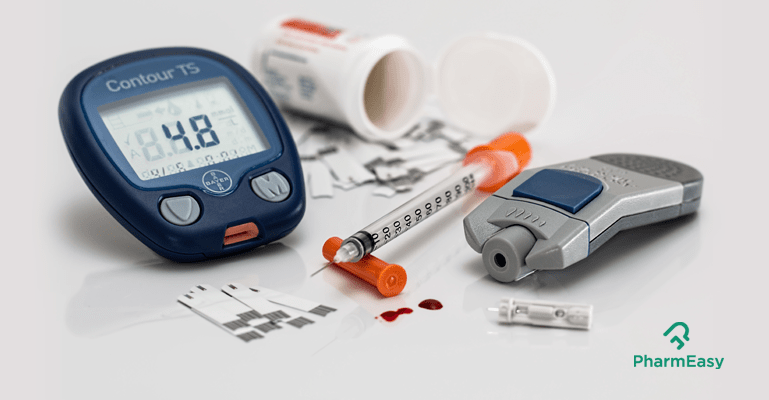
Regular monitoring of glucose readings at home using a glucometer is essential for understanding how diet, exercise, and medication affect your readings. This self-monitoring empowers you to make informed decisions about your daily routine and helps your doctor fine-tune your management plan.
The numbers don't lie.
On top of that,, regular medical check-ups — including eye exams, foot checks, and kidney function tests — are vital for detecting and managing potential complications early. The IDF’s guidelines stress the importance of these follow-up assessments.
Cultural Considerations in India
Cultural practices in India can sometimes present unique challenges and opportunities for management. For example, the emphasis on rich, often sweet, gravies and fried foods in celebratory meals during festivals like Holi or Eid might require careful planning and portion control. Similarly, traditional practices like sitting on the floor for extended periods can be challenging for individuals experiencing diabetic neuropathy or joint pain.
However, traditional Indian cuisine also offers many healthy options, like fibre-rich dals and sabzis, which can be incorporated into a friendly diet. Educating family members about the issue is also crucial, as they often play a meaningful role in meal preparation and support.
When to Seek Emergency Care
While the indicators discussed are often gradual, certain acute complications require immediate medical attention. Diabetic ketoacidosis (DKA), a life-threatening disorder, can occur, especially in Type 1, when the body produces high amounts of blood acids called ketones. indicators include nausea, vomiting, abdominal pain, rapid breathing, and a fruity breath odour.
That alone changes everything.
Another emergency is hyperosmolar hyperglycemic state (HHS), more prevalent in Type 2, characterized by extremely high glucose readings leading to severe dehydration and confusion. If you experience any of these severe manifestations, seek emergency medical support immediately.
Key Takeaways
- Increased thirst, frequent urination, and unexplained hunger are classic early signs in men.
- Unexplained weight loss, persistent fatigue, and blurred vision also warrant medical investigation.
- Erectile dysfunction can be an early and notable indicator in men.
- Slow-healing sores and increased susceptibility to infections are widespread warning signs due to impaired circulation and immunity.
- Over 101 million Indians have this concern (ICMR, 2023), making awareness and early detection critical.
Always consult a qualified physician before making any medical decisions.