Endometriosis Symptoms and Diagnosis: Why It Takes So Long to Get Answers
Endometriosis has a reputation problem. For decades, the pain it causes got filed under "bad periods," and women were told to take a painkiller and get on with their day. That framing has done real damage.
The condition happens when tissue similar to the uterine lining grows outside the uterus, often on the ovaries, fallopian tubes, or the lining of the pelvis. Like the uterine lining itself, this tissue thickens and bleeds with each cycle. The difference is it has nowhere to go, so it triggers inflammation, scar tissue, and pain that can show up well beyond just the days you're bleeding.
In clinical practice, this is often missed because the hallmark symptom, painful periods, is so common that both patients and doctors default to assuming it's normal. It takes a pattern of severity, and sometimes a persistent patient, before anyone digs deeper.
The Core Symptoms
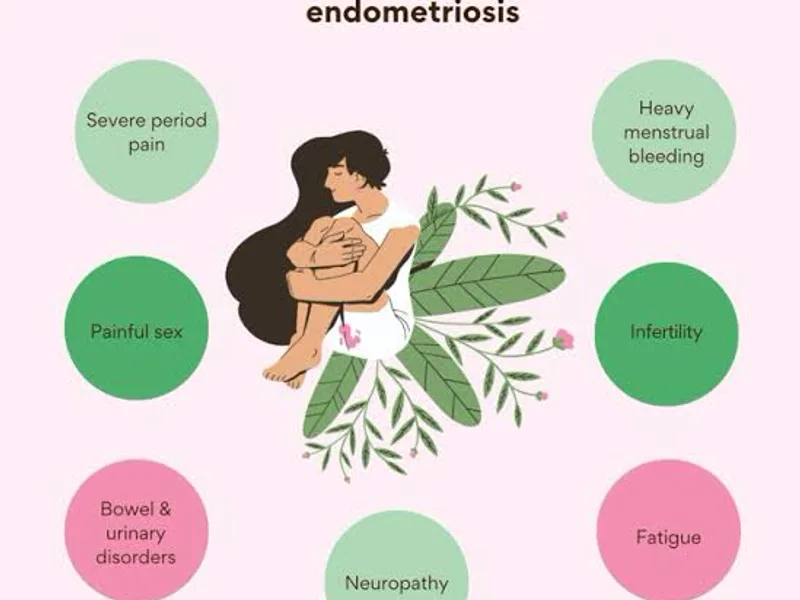
Painful Periods That Go Beyond Typical Cramps
This is usually the first red flag. Pain that starts before your period, lasts well into it, and doesn't respond to over-the-counter medication is worth taking seriously. This isn't the same as the mild cramping many women experience; it's pain that can stop you from going to work or school. This guide on what separates ordinary cramps from something more serious breaks down that distinction in more detail, and this piece on period cramp causes and diagnosis covers how doctors work through the possibilities.
Pain During or After Sex
Deep pain during intercourse, medically called dyspareunia, is one of the more commonly reported but least discussed symptoms. It happens because endometrial tissue growing near the pelvic ligaments or behind the uterus gets pulled or irritated during penetration.
Chronic Pelvic Pain
Pain that shows up even outside your period, sometimes daily, is a pattern worth flagging rather than living with. Chronic pelvic pain overlaps with a few other conditions too, and this article on pelvic congestion syndrome and endometriosis explains how doctors try to tell them apart.
Heavy or Irregular Bleeding
Some women with endometriosis notice unusually heavy periods, bleeding between cycles, or both. If your cycle pattern itself feels unpredictable, it's worth reading through the broader picture of what makes a menstrual cycle irregular in general, since several overlapping conditions can produce a similar picture.
Bowel and Bladder Symptoms
Pain with bowel movements or urination, especially around your period, can happen when endometrial tissue grows near the bowel or bladder. Bloating, diarrhea, and constipation that flare with your cycle are common too; some women describe this as feeling six months pregnant on the worst days, a phenomenon covered in more depth in this piece on endo belly and bloating.
Fatigue
Chronic inflammation takes a toll on energy levels that's easy to underestimate. Fatigue linked to endometriosis isn't just "being tired," it's a persistent exhaustion that doesn't improve much with rest.
Difficulty Conceiving
Endometriosis is one of the more common causes of infertility, largely because scar tissue and inflammation can interfere with how the ovaries and fallopian tubes function. That said, many women with endometriosis do conceive, sometimes without intervention and sometimes with medical support.
Conditions That Look Similar
Adenomyosis
Adenomyosis happens when tissue similar to the uterine lining grows into the muscular wall of the uterus itself, rather than outside it. The symptoms overlap heavily with endometriosis, painful periods, heavy bleeding, pelvic pressure, which is part of why the two get confused. This article on adenomyosis and back pain is a good example of how the pain can radiate and mimic other issues entirely.
Thyroid Conditions
Thyroid dysfunction and endometriosis share some overlapping symptoms, including fatigue and cycle irregularity, and there's emerging interest in how the two conditions might interact hormonally. This piece on the connection between thyroid function and endometriosis is worth a read if your symptom list spans both categories.
Endometriosis in Rare Populations
While it's overwhelmingly a condition affecting women, there are rare, poorly understood cases described in men, usually linked to hormone therapy. It's a small but real reminder of how much is still unknown about how this tissue behaves; details are covered in this article on endometriosis in men.
How Doctors Actually Diagnose It
Starting With History and a Pelvic Exam
Diagnosis usually begins with a detailed conversation about your pain, its timing, and how it affects daily life, followed by a physical pelvic exam. A doctor might feel for tenderness or nodules, though a normal exam doesn't rule endometriosis out.
Imaging: Ultrasound and MRI
A transvaginal ultrasound is typically the first imaging step and can detect ovarian cysts called endometriomas. MRI offers more detail and can help map out deeper disease before any surgical planning.
Laparoscopy: The Definitive Test
Laparoscopy, a minimally invasive surgery using a small camera inserted through the abdomen, remains the gold standard for a confirmed diagnosis. It allows direct visualization of the pelvic organs and lets a surgeon take a biopsy on the spot. Not every case requires it though; many doctors start treatment based on symptoms and imaging alone, reserving surgery for cases that don't respond or need further clarity. Treatment approaches once endometriosis is confirmed, including hormone therapy options, are covered in this guide on Lupron for endometriosis and this piece on managing endometriosis with birth control.
Why Diagnosis Takes So Long
It's worth naming plainly: the average time between symptom onset and confirmed diagnosis is widely reported to run into years, though exact figures vary by study and country, and I won't pretend there's one universally agreed number. Part of the delay comes from normalized period pain, part from the fact that milder imaging often looks unremarkable even when disease is present. That gap is a real problem, and it's one reason persistent, well-documented symptoms deserve a second opinion if the first one feels dismissive.
Gynecologists who evaluate pelvic pain and can guide you through this process include Dr. Bikash Banerjee, Dr. Mou Chatterjee, Dr. Abhinibesh Chatterjee, Dr. Sheuli Pal, Dr. Swagatika Panda, and Dr. M Padmaja Bhattacharya. If fertility is part of your concern, a specialized centre such as ARC International Fertility & Research Centre is also worth knowing about. Understanding hormone-related treatment options more broadly, including the difference between progestin and natural progesterone, can also help frame conversations with your care team, alongside how cramps can change once you start hormonal birth control. If PCOS symptoms are part of your picture too, this overview of PCOS and related hormonal conditions is a useful companion read, as is this piece on reproductive hormone therapy and this one on drug interactions with hormonal endometriosis treatment. For symptom overlap with insulin-related skin changes, this piece on PCOS and eczema is tangential but worth a glance if skin symptoms are also part of your case, along with this article on PCOS and pregnancy planning if fertility questions overlap with a possible PCOS diagnosis.