Understanding Progestin and Progesterone: A Comprehensive Guide for Indian Women
In the realm of women's health, understanding hormones is crucial. Two terms that often come up are progesterone and progestin. While they sound similar and share some functions, they are distinct. This article aims to clarify the differences between these two hormones, their roles in the body, and their applications in medical treatments, particularly relevant for women in India.
What are Hormones?
Before diving into progesterone and progestin, let's briefly touch upon what hormones are. Hormones are chemical messengers produced by glands, organs, and tissues throughout the body. They regulate a vast array of bodily functions, including growth, metabolism, reproduction, mood, and overall well-being. In women, hormones play a pivotal role in the menstrual cycle, pregnancy, and menopause.
Progesterone: The Natural Hormone
Progesterone is a naturally occurring steroid hormone produced primarily in the ovaries after ovulation. It also plays a role in male and intersex bodies, though in smaller quantities, contributing to sperm development and maintaining testosterone levels. In women, progesterone's primary functions include:
- Preparing the Uterus for Pregnancy: After ovulation, progesterone levels rise, thickening the uterine lining (endometrium) to prepare it for a fertilized egg.
- Supporting Pregnancy: If fertilization occurs, progesterone production increases significantly to maintain the uterine lining, prevent premature contractions, and support the developing fetus throughout pregnancy.
- Regulating the Menstrual Cycle: Progesterone helps regulate the menstrual cycle. Fluctuations in its levels can lead to irregular periods.
Symptoms of Imbalanced Progesterone Levels in Women:
- Irregular or absent menstrual periods
- Difficulty getting pregnant or maintaining a pregnancy
- Mood swings, anxiety, or depression
- Headaches
- Bloating
- Breast tenderness
Normal progesterone levels can vary based on age, sex, gender, and individual health status. Consulting a doctor is essential for accurate assessment.
Progestin: The Synthetic Counterpart
Progestin is a synthetic (man-made) chemical that mimics the effects of progesterone in the body. It was developed in the mid-20th century and is widely used in various medical applications. While progestins are designed to act like progesterone, each type of synthetic progestin can have slightly different effects and potencies.
Key Differences Between Progesterone and Progestin
The fundamental difference lies in their origin: progesterone is natural, while progestin is synthetic. However, this distinction leads to several practical differences:
- Source: Progesterone is produced by the body. Progestins are synthesized from plant chemicals, such as diosgenin found in wild yams, and then chemically altered.
- Effectiveness and Potency: While progestins mimic progesterone, their potency and specific effects can vary. Some progestins are more potent than natural progesterone.
- Metabolism: The body metabolizes natural progesterone differently than synthetic progestins.
Uses of Progestin in Medicine
Progestins are extensively used in various medical treatments, especially in women's health:
- Hormonal Contraception: This is one of the most common uses. Progestins are found in birth control pills (both combined with estrogen and progestin-only 'mini-pills'), injections, implants, and patches. They primarily work by preventing ovulation and thickening cervical mucus to block sperm.
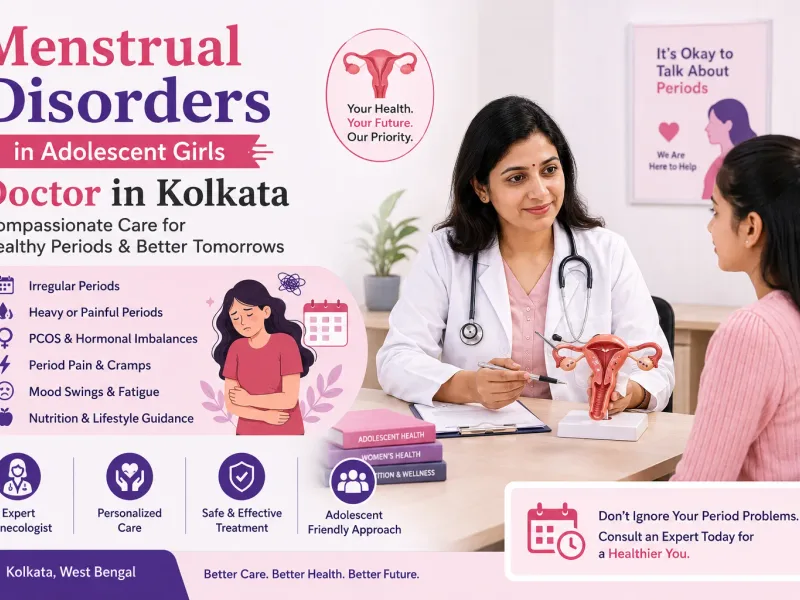
- Menstrual Irregularities: Progestins are prescribed to treat conditions like irregular periods, amenorrhea (absence of menstruation), and abnormal uterine bleeding.
- Hormone Replacement Therapy (HRT): In menopausal women, progestins are often used alongside estrogen in HRT to protect the uterine lining from thickening, thereby reducing the risk of endometrial cancer.
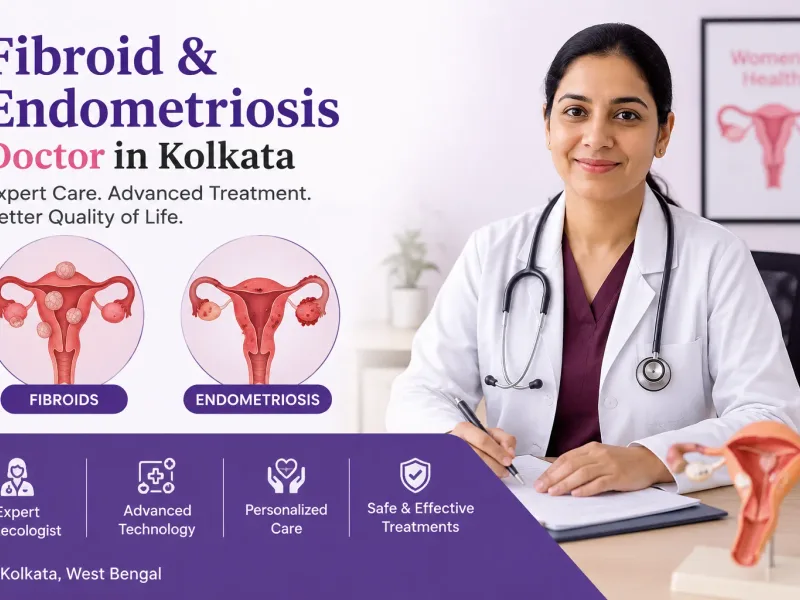
- Endometriosis Treatment: Progestins can help manage the symptoms of endometriosis by suppressing the growth of endometrial tissue outside the uterus.
- Certain Cancers: Some hormone-sensitive cancers, like certain types of breast cancer, can be treated with progestins.
Forms of Progestin Medication
Progestin medications come in various forms to suit different needs and preferences:
- Pills (oral tablets)
- Injections
- Vaginal creams or suppositories
- Transdermal patches
- Hormonal implants
Progesterone Medications:Additional Medical Guidance
This section adds practical context and preventive advice to help readers make informed healthcare decisions. It is important to verify symptoms early, consult qualified doctors, and avoid self-medication for persistent health issues.
Maintaining healthy routines, following prescribed treatment plans, and attending regular checkups can improve outcomes. If symptoms worsen or red-flag signs appear, immediate medical evaluation is recommended.
Quick Checklist
Track symptoms and duration.
Follow diagnosis and treatment from a licensed practitioner.
Review medication side effects with your doctor.
Seek urgent care for severe warning signs.