

Emergency & Help
24/7 Emergency & General Advisory
🚨 24/7 Medical Emergency
Non-Emergency Advisory
10:00 AM – 6:00 PM, Mon–Sat
For appointments & general queries.
24/7 Emergency & General Advisory
🚨 24/7 Medical Emergency
Non-Emergency Advisory
10:00 AM – 6:00 PM, Mon–Sat
For appointments & general queries.
Looking for a gastroenterologist near me in Asansol? Learn when to see a GI specialist, what they treat and how to choose the right doctor.

A gastroenterologist is a doctor who specialises in the digestive system and liver. That includes the food pipe, stomach, small and large intestines, rectum, liver, gallbladder, bile ducts and pancreas.
The specialty covers far more than ordinary “stomach problems.” Gastroenterologists manage conditions ranging from acid reflux and gastritis to peptic ulcers, inflammatory bowel disease, gallstones, pancreatitis and chronic liver disease. They may also perform procedures such as upper endoscopy and colonoscopy when these are medically appropriate.
For someone searching gastroenterologist near me in Asansol, Doctar currently lists gastroenterology clinics in several parts of the city. The Asansol gastroenterology listings on Doctar can be used as a starting point for checking available specialists and local practices.
Doctar currently has several gastroenterology-related listings in Asansol. The information on online profiles can change, so patients should confirm qualifications, consultation timings, fees and availability before travelling.
Dr. Goel Rahul's gastroenterology clinic is listed at Healthworld Hospital in Shristinagar, Asansol.
The Doctar listing identifies the practice as gastroenterology and gives the location as Healthworld Hospital, Shristinagar, Asansol. It also currently shows home healthcare availability.
Dr. Kranthi Kumar Pasupuleti's Asansol clinic is listed in Hamid Nagar on S.B. Gorai Road.
The profile describes Dr. Pasupuleti as a gastroenterologist serving patients in Asansol and mentions digestive-system consultations and diagnostic support.
Dr. Lalan Kumar's gastro, liver and hepatology practice is listed at Aaradhya Health Hub in Chelidanga.
The profile describes the practice as providing specialised gastrointestinal, liver and hepatology care. This may be particularly relevant to patients whose concerns involve both digestive symptoms and liver health.
Not every episode of acidity or loose motion requires a specialist. Occasional digestive discomfort can happen for many ordinary reasons.
The picture changes when symptoms keep returning, become severe or interfere with eating, sleeping or daily activities. Persistent abdominal pain, repeated heartburn, unexplained weight loss, difficulty swallowing, prolonged diarrhoea or constipation and blood in the stool deserve medical assessment.
In clinical practice, this is often missed because people become used to recurring digestive symptoms. A person may call years of heartburn “just acidity” or assume repeated bloating is normal. But persistent symptoms can have several causes, and the right treatment depends on finding the cause rather than simply suppressing the discomfort.
Doctar's guide to finding a digestive disease doctor similarly highlights persistent abdominal pain, bowel changes, reflux, swallowing difficulty, unexplained weight loss and jaundice as reasons to consider specialist evaluation.
Acid reflux happens when stomach contents move back into the food pipe. When this becomes frequent or causes ongoing symptoms, it may be called gastroesophageal reflux disease, or GERD.
Persistent heartburn, food coming back into the throat or difficulty swallowing should not simply be managed indefinitely with self-treatment. Doctar's acidity and gastroenterology guide explains the symptoms, evaluation and treatment approaches doctors may consider.
For patients interested in newer procedural options, Doctar also has an article about the LINX procedure for GERD. This type of treatment is not suitable for everyone, and decisions about procedures require specialist assessment.
Gastritis refers to inflammation of the stomach lining, while a peptic ulcer is an actual sore in the stomach or upper small intestine.
Helicobacter pylori infection and certain medicines, particularly some anti-inflammatory pain medicines, can contribute to ulcer disease. Diagnosis and treatment depend on the underlying cause.
Doctar's stomach specialist guide discusses gastritis, peptic ulcers, reflux and other common digestive conditions.
Irritable bowel syndrome, or IBS, can cause abdominal pain, bloating, gas, diarrhoea, constipation or alternating bowel habits. It is a disorder of how the gut functions and does not necessarily mean there is visible damage to the bowel.
Doctar's detailed IBS symptoms and management guide explains how IBS is evaluated and why symptoms can vary from one person to another.
The IBS home-management guide also discusses symptom tracking and medical evaluation.
Stress can affect gut symptoms without meaning that the symptoms are imaginary. Doctar's article on anxiety and IBS explores this gut-brain connection.
Inflammatory bowel disease, or IBD, includes Crohn's disease and ulcerative colitis. Unlike IBS, IBD involves inflammation in the digestive tract and can require long-term specialist management.
Ongoing diarrhoea, abdominal pain, blood in the stool, fatigue or unexplained weight loss should be evaluated rather than automatically labelled as IBS.
Doctar's gastroenterology guide from Kishanganj covers IBD alongside reflux, ulcers, gallstones, gastritis and bowel disorders.
For people undergoing investigation for bowel inflammation, Doctar's calprotectin stool-test guide explains how this test can help doctors distinguish intestinal inflammation from conditions such as IBS.
The liver is closely connected with digestion and metabolism, which is why gastroenterologists often manage liver disease as well.
Fatty liver is one example. It may be discovered unexpectedly during an ultrasound or blood-test evaluation, sometimes before noticeable symptoms appear.
Doctar's fatty liver disease guide explains the condition, its causes and why monitoring matters.
For readers with a report mentioning Grade 1 fatty liver, the mild fatty liver guide explains what the term means and why follow-up may still be relevant.
The terminology around fatty liver has also changed. Doctar's MASLD guide discusses metabolic dysfunction-associated steatotic liver disease, the newer terminology used for a major category of fatty liver disease.
Patients with concerns about alcohol-related liver damage can read Doctar's guide to early signs of alcohol-related liver disease.
A liver-focused gastroenterology consultation may also be useful when someone has abnormal liver tests, jaundice or known chronic liver disease. Doctar's liver specialist guide explains the relationship between hepatology and gastroenterology.
The first appointment usually begins with a detailed discussion rather than an immediate procedure. The doctor may ask about the location and duration of pain, bowel habits, food-related symptoms, weight changes, previous illnesses and medicines.
Previous reports can save time. Bring blood tests, ultrasound or scan reports, prescriptions and any earlier endoscopy or colonoscopy reports you have.
The doctor may recommend additional tests depending on the symptoms. These could include blood or stool tests, ultrasound or other imaging, or an endoscopic procedure.
Endoscopy allows a doctor to examine the upper digestive tract using a flexible camera. Colonoscopy examines the large intestine. Neither test should be assumed necessary simply because someone has stomach symptoms; the decision depends on the clinical situation.
Distance is useful, but it should not be the only factor. A gastroenterologist may need to see a patient more than once, especially when managing a chronic digestive or liver condition.
Check the doctor's qualifications and gastroenterology training. Consider whether the specialist routinely treats your particular concern, and whether the associated clinic or hospital can provide investigations or procedures when needed.
Doctar's top gastroenterologist guide offers a useful framework for assessing specialist expertise, conditions treated and diagnostic procedures.
You can also compare broader gastroenterology information in Doctar's Top Gastroenterologists in Giridih guide and its gastro hospital guide for Koderma.
These are not substitutes for local medical advice, but they can help readers understand what specialist services may include.
Some symptoms should not wait for a routine appointment.
Vomiting blood, black or bloody stools, severe or rapidly worsening abdominal pain, fainting, severe dehydration, difficulty swallowing or yellowing of the eyes or skin can require urgent medical assessment. The combination of symptoms matters, so people should not attempt to diagnose the cause themselves.
Doctar's gastroenterology guide for Gopalganj discusses warning signs such as bleeding, jaundice, unexplained weight loss and persistent digestive symptoms.
For broader information about specialist digestive care, Doctar's gastro hospital guide discusses the role of gastroenterologists, diagnostic procedures and multidisciplinary care.
Visit Hospital
Near You
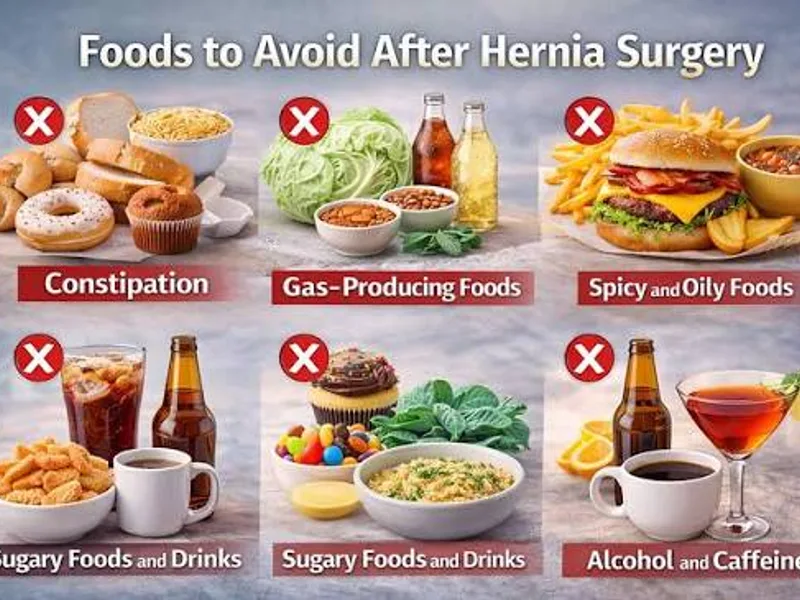
Most people can return to a normal diet within a day or two of hernia surgery, but some food choices make recovery smoother. Start with light, easy-to-digest meals. Then add fiber, lean protein, and plenty of fluids to support healing and prevent constipation.
September 30, 2026

Rudhira Diagnostics is a trusted pathology lab in Ahilyanagar (Ahmednagar) offering blood tests, full body checkups & home sample collection. Book now.
August 29, 2026

Find verified endocrinologists in Lucknow on DOCTAR. Compare experience, ratings, consultation fees and hospital locations, then book an appointment online.
August 22, 2026