Why Tilting the Treadmill Changes More Than You'd Think
Walk on flat ground and your muscles mostly just move you forward. Add an incline, and suddenly your glutes, calves, and hip flexors are also fighting gravity with every step. That extra work is why incline walking calorie burn numbers climb faster than people expect from "just walking a bit uphill."
This isn't a new trick. Doctar has covered how brisk walking at around 3.5 miles per hour can burn roughly 250 to 300 calories an hour for an average-sized person in its piece on an hour of walking a day. Incline walking builds on that same base, but the grade — not just the pace — becomes the bigger lever.
The Numbers: What Incline Actually Adds
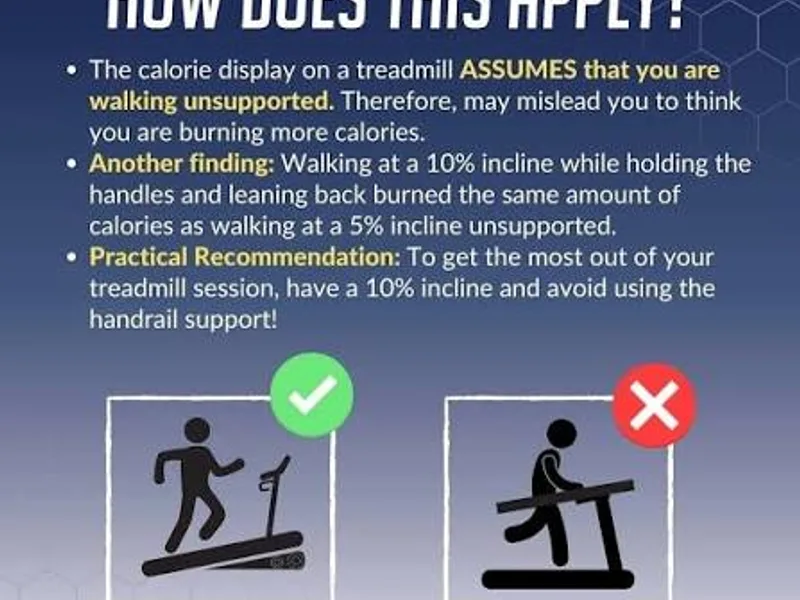
Here's the honest answer: there's no single universal figure for incline walking calorie burn, because it depends on your body weight, your walking speed, and how steep the incline is. That said, physiology research is fairly consistent on the pattern. Every percentage point of incline increases the metabolic cost of walking, and by the time you reach a 5–8% grade at a moderate pace, many walkers are burning noticeably more than they would flat — often somewhere in the range of 30 to 50% more energy, though this swings quite a bit person to person.
If precise numbers matter to you — say, for a diabetes management plan or post-surgical recovery — a fitness watch with a verified incline-adjusted algorithm gives a far more honest estimate than any generic chart. Even those have margins of error, and I'd rather someone under-trust a number than over-trust one.
Why Grade Matters More Than Speed
Here's something that surprises a lot of people: pushing your speed up on flat ground burns calories, sure, but pushing the incline up tends to do more work for the same perceived effort. This is roughly the logic behind how walking compares to cycling for fat metabolism — walking uphill is a weight-bearing activity, so your body works against both your own mass and gravity, not just resistance.
It's also part of why the treadmill vs. stationary bike comparison usually favors incline settings for people trying to raise their calorie burn without switching to running. You get a running-like intensity at a walking-like impact.
Who Should Be Cautious
In clinical practice, this is often the part that gets skipped in generic fitness content: incline walking isn't neutral for everyone. It raises heart rate and blood pressure more than flat walking, which matters if you're managing a cardiovascular condition. It's also worth checking in with a cardiologist near you or reviewing current cardiologist listings before starting steep incline sessions if you have existing heart concerns.
People with knee or hip arthritis should ease in slowly too. Incline walking loads the front of the knee differently than flat walking, and Doctar's guide on keeping your joints strong is worth reading before you go all-in. If you already manage a joint condition, the article on strength training if you have joint conditions applies here too — the same "start light, progress slowly" logic holds for incline work. A joint and bone care specialist or an osteopath can help if pain shows up early.
Making Incline Walking Work For You
Start modest. A 3–4% grade for ten minutes tucked into a normal walk is a reasonable entry point, not the full session on day one. Pair it with good habits you're probably already building — a morning walking habit or walking after meals both stack reasonably well with incline sessions later in the week.
Does incline walking replace strength training or higher-intensity options like burpees for people chasing faster results? Not really — it's a different tool. But it's a low-injury-risk way to raise your average calorie burn without the joint pounding that comes with running.
If your goal is weight management specifically, it helps to look at the full picture rather than one variable. Doctar's pieces on how many calories walking really burns and everyday movement and eating habits both make the same point differently: consistency beats intensity spikes. A registered dietitian or a nutritionist can help translate calorie burn into an actual eating plan, and if you'd rather work with a structured program, a weight management centre is a reasonable next step. Skip the shortcuts — pieces like shortcuts like waist trainers exist for a reason.