

Emergency & Help
24/7 Emergency & General Advisory
🚨 24/7 Medical Emergency
Non-Emergency Advisory
10:00 AM – 6:00 PM, Mon–Sat
For appointments & general queries.
24/7 Emergency & General Advisory
🚨 24/7 Medical Emergency
Non-Emergency Advisory
10:00 AM – 6:00 PM, Mon–Sat
For appointments & general queries.
Treadmill vs. stationary bike: Which cardio machine is best for your fitness goals? Explore the pros, cons, and benefits of each to make an informed choice for your indoor workouts.
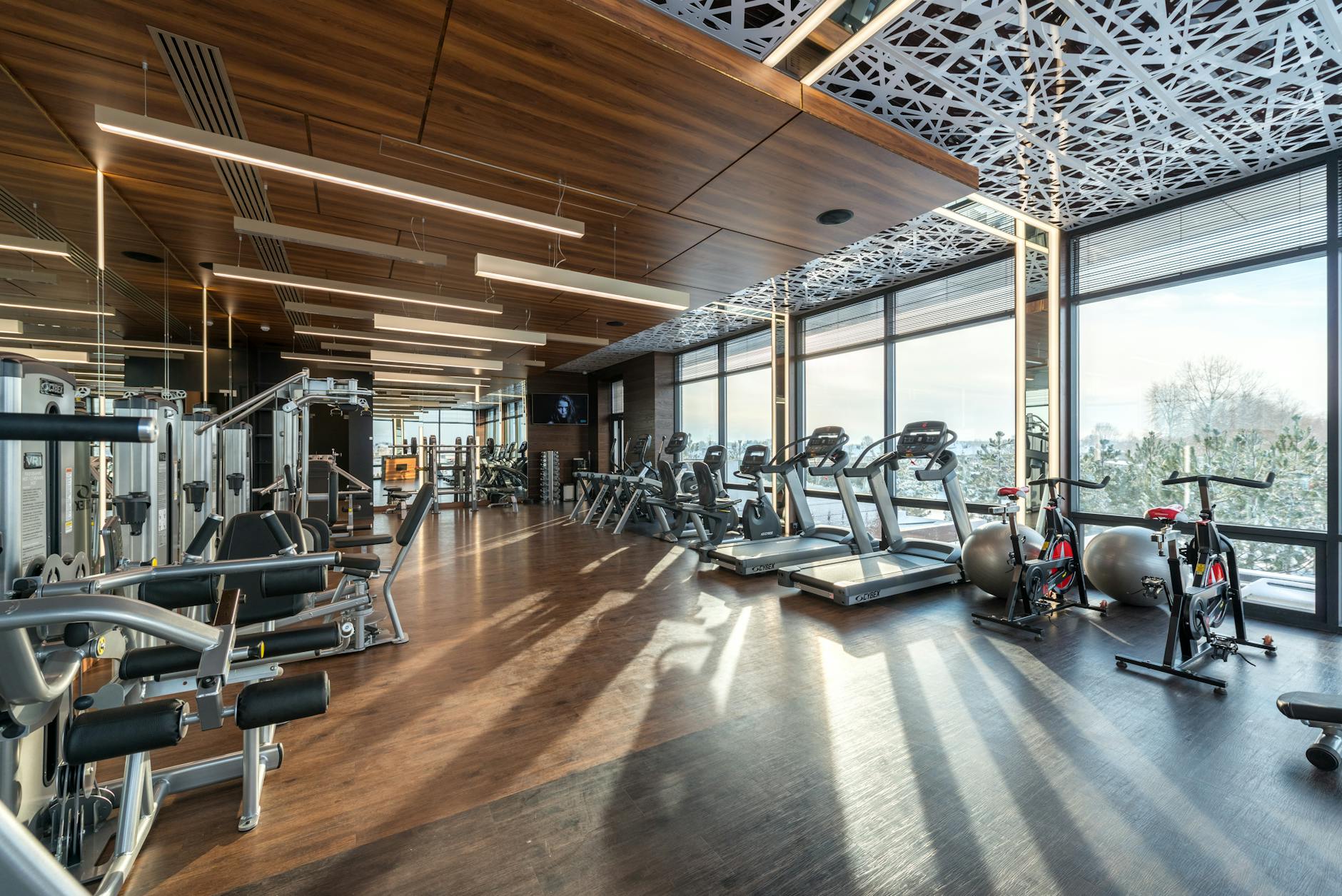
Choosing the right cardio equipment can feel like navigating a maze, especially when you’re aiming for that perfect indoor workout. Two titans dominate the home gym and fitness studio landscape: the trusty treadmill and the ever-popular stationary exercise bike. Both promise a fantastic way to get your heart pumping and your body moving, shielding you from unpredictable weather or the hustle of outdoor exercise. But which one truly takes the crown for your fitness goals? Let’s dive deep and unpack the differences, benefits, and potential drawbacks of each.
At their core, both treadmills and exercise bikes are designed for cardiovascular training. However, they offer distinct experiences:
Imagine a moving walkway for your feet – that’s essentially a treadmill. It features a belt that moves beneath you, allowing you to walk, jog, or run in place. Most treadmills are motorized, meaning they control the belt speed. You can adjust this speed and often the incline to simulate hills. This variability lets you tailor the intensity of your workout precisely.
A growing trend is the non-motorized treadmill. These often boast a curved deck and require your own momentum to drive the belt. This design can lead to a more engaging, challenging workout, as you actively propel the belt forward. Both types allow you to practice natural walking and running gaits.
The exercise bike brings the joy and challenge of cycling right into your home or gym. It features a seat, handlebars, and pedals, mimicking the action of riding a bicycle. There’s a spectrum of exercise bikes:
Regardless of the type, exercise bikes provide a fantastic cardiovascular workout with varying levels of resistance and intensity.
Both machines are powerhouses for aerobic fitness. They strengthen your heart muscle, improve blood circulation, and boost your endurance. However, research shows some nuances:
Running or walking on a treadmill engages a wider range of muscles, including those in your legs, glutes, and core. The ability to adjust incline adds a significant challenge, mimicking uphill climbs and increasing calorie burn. Studies suggest that running on a non-motorized treadmill might even offer a more intense cardio workout compared to a motorized version at the same speed. Furthermore, treadmills can enhance postural control and balance, making them beneficial for older adults and for rehabilitation purposes, though some research indicates that for certain ankle injuries, traditional walking surfaces might be more effective for recovery and range of motion.
Stationary cycling is renowned for its cardiovascular benefits. It’s particularly effective at improving aerobic capacity, lowering blood pressure, and enhancing blood fat profiles. A significant advantage of the bike is its low-impact nature. This makes it an excellent choice for individuals with joint pain, particularly in the knees or hips, or those recovering from certain injuries. Spin biking, in particular, has been shown to improve muscle strength, reduce body fat, and positively impact resting blood pressure and blood sugar levels. It can be a highly effective tool for improving overall body composition and metabolic health.
When it comes to engaging different muscle groups and burning calories, the picture gets interesting:
Treadmills, especially when you incorporate inclines or vary your pace, can offer a more comprehensive muscle workout. You’re using your legs, glutes, and even your core for stability. Running, in general, burns more calories per minute than cycling at a moderate intensity. However, research has also shown that elite runners might run slower on a treadmill compared to a track, suggesting a potential difference in efficiency or economy.
The exercise bike primarily targets your lower body: quadriceps, hamstrings, glutes, and calves. While it’s fantastic for building leg strength and endurance, it doesn’t engage your upper body or core to the same extent as running on a treadmill. Calorie burn on an exercise bike can be very high, especially with high-intensity interval training (HIIT) on a spin bike, but it might be slightly lower than running on a treadmill at a comparable intensity for some individuals.
This is where the differences become quite stark:
As a weight-bearing exercise, walking and running on a treadmill help strengthen bones and can contribute to better bone mineral density (BMD). This is vital for preventing osteoporosis. However, the repetitive impact can be hard on joints, especially for individuals prone to knee, hip, or ankle issues.
Stationary cycling is a non-weight-bearing activity. This means it puts minimal stress on your joints. It’s an ideal option for people with arthritis, joint pain, or those who need a gentler form of exercise. While it’s great for cardiovascular health, it’s less effective than treadmills for directly improving bone density. Some studies have shown stationary cycling can improve gait and balance in older women, though this finding requires further investigation.
The best machine for you hinges entirely on your personal fitness goals, physical condition, and preferences:
Before starting any new exercise program, especially if you have pre-existing health conditions, it’s always wise to chat with your doctor. This is particularly important if you experience:
Your doctor can help you determine the safest and most effective type of exercise for your individual needs.
Absolutely! Both machines are excellent tools for weight loss when combined with a healthy diet. They burn calories, and the more intense your workout, the more calories you’ll burn. Consistency is key!
Generally, running on a treadmill tends to burn more calories than cycling at a moderate intensity for the same duration. However, high-intensity interval training on a spin bike can also lead to significant calorie expenditure and has the added benefit of boosting your metabolism post-workout.
Treadmills engage more muscles overall, including your core and glutes, due to the nature of running and walking. However, neither machine is primarily designed for significant muscle hypertrophy (building large muscles). For targeted muscle building, strength training exercises are more effective. Exercise bikes excel at building lower body endurance and strength.
Both can be suitable for beginners. Walking on a treadmill at a comfortable pace is very accessible. Similarly, using an exercise bike on a low resistance setting is also very beginner-friendly. The choice often comes down to personal preference and any physical limitations, like joint pain, which might make the bike a more comfortable starting point.
Visit Hospital
Near You

Learn essential dynamic and static stretches for your inner thighs to improve flexibility, prevent injuries, and reduce muscle tension. Perfect for Indian readers seeking practical advice.
April 1, 2026

Discover simple yet effective glute stretches to relieve tightness, reduce back pain, and improve your mobility. Learn how to perform them safely at home or at your desk.
April 1, 2026

Squats and leg presses are both excellent for leg day, but they differ in muscle engagement, benefits, and risks. Learn which one is best for your fitness goals.
April 1, 2026