Body Composition Is More Than a Number on the Scale
Two men can weigh exactly the same and have completely different reproductive health profiles. One might be carrying mostly muscle, the other mostly fat, and that difference matters more for fertility than most people assume. Body composition, put simply, is the ratio of fat mass to lean mass in your body, and it turns out to be a far more useful marker than weight or even BMI when it comes to male reproductive health.
This isn't a fringe idea. Fertility researchers have been pushing back against BMI-only screening for years, precisely because it misses this distinction entirely. A bodybuilder and a sedentary office worker with an identical BMI can have wildly different hormone profiles, and treating them the same on a fertility chart doesn't make clinical sense.
What the Evidence Says About Muscle, Fat, and Fertility
Fat tissue isn't neutral. It actively produces an enzyme called aromatase, which converts testosterone into estrogen, and the more fat tissue a man carries, the more of this conversion tends to happen. Since testosterone plays a direct role in sperm production, this hormonal shift is one of the clearer mechanisms linking excess fat to lower sperm counts and altered semen quality.
Muscle mass, on the other hand, doesn't work against you the same way. It's not that muscle actively boosts fertility on its own, but a body composition skewed toward more lean mass and less fat tends to come with a more favorable hormonal environment overall, including healthier levels of sex hormone-binding globulin, the protein that regulates how much active testosterone is actually available in the blood.
Why Strength Training Might Help More Than Cardio Alone
Here's where this gets practically useful. Resistance training, meaning weightlifting or bodyweight exercises like squats and push-ups, has consistently been shown to produce short-term increases in testosterone, more so than steady cardio alone. Doctar's piece on boosting testosterone naturally through exercise covers this in more detail, and it's one of the more solidly evidence-backed claims in the fitness space, not just gym folklore.
In clinical practice, this is often the piece men skip when they hear "lose weight for fertility." They go straight to cardio and calorie cutting, which does help, but neglecting resistance training means missing out on the muscle-building side of the equation that seems to support a healthier hormonal baseline over time. A reasonable approach combines both. Doctar's guides on walking an hour a day and how walking compares to cycling are solid for the cardio side, while building core and overall strength, as discussed in core strength and visible abs, rounds things out.
Pace matters too. Overtraining brings its own hormonal costs, including elevated cortisol that can work against testosterone. Doctar's piece on how often you should really do cardio and the gentler approach outlined in low heart rate training are worth reading before assuming more exercise is always better. A lower resting heart rate over time is a reasonable, non-invasive signal that overall cardiovascular and metabolic conditioning is improving alongside body composition.
The Lifestyle Factors That Compound the Picture
Body composition doesn't exist in isolation, and it's worth being honest about that. Alcohol is one of the more underrated factors here. Doctar's article on alcohol and testosterone explains how regular drinking can suppress testosterone production through the same hormonal pathway that regulates the whole system, regardless of how lean or fit someone otherwise is.
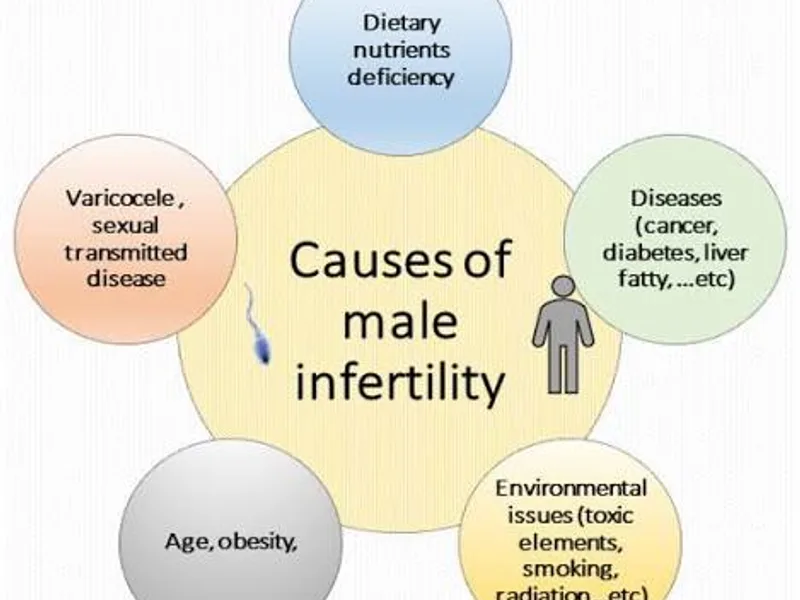
Heat exposure is another one people rarely think about until it's explained to them. The testes sit outside the body specifically because sperm production needs a slightly cooler temperature than core body heat. Doctar's overview of semen and sperm basics for Indian men touches on how prolonged heat exposure, tight clothing, laptop use on the lap, and conditions like varicocele can all chip away at sperm quality independent of body composition. Smoking sits in the same category, adding oxidative stress that undermines even a well-managed body composition.
Sleep deserves a mention too, and it doesn't get nearly enough attention in fertility conversations. Poor sleep is associated with lower testosterone and reduced muscle recovery, which quietly works against the whole body composition picture even if diet and training are otherwise solid.
A Practical Way to Track This at Home
You don't need a lab to get a reasonable read on your own body composition trend. Waist circumference, measured at the belly button with a simple tape measure, correlates fairly well with visceral fat, the deeper abdominal fat most linked to hormonal disruption. Tracking that number monthly tells you more than the bathroom scale ever will.
For a more precise picture, options like bioelectrical impedance scales or a DEXA scan through a clinic give an actual fat-to-muscle breakdown, though accuracy varies by method and hydration status can throw off home devices. If you're using a fitness app to track progress, Doctar's honest review of the BetterMe app is worth a look before committing to one.
When to See a Specialist
If you and a partner have been trying to conceive and a semen analysis has come back lower than expected, it's worth bringing body composition into that conversation directly, not just weight. A urologist is generally the right starting point, and many practice as andrologists with specific training here, similar to urologist listings in Kanchipuram. If hormone imbalance looks likely, Doctar's explainers on Arimidex and reproductive health and estrogen's role in the male body are useful background reading before that appointment.
Related sexual health topics often come up in the same conversation. Doctar's guides on PDE5 inhibitors for erectile dysfunction, penis pumps as a treatment option, and post-surgical topics like life after prostate removal and prostate removal and sexual health are worth reviewing if broader men's health questions overlap here, along with practical coverage questions like what Medicare covers for penile implants.
For structured support around diet and body composition goals, a registered dietitian, a nutritionist, a local nutrition and wellness centre, or a structured weight management centre can help build a plan around your actual numbers. If diabetes or blood sugar issues are also part of the picture, Doctar's guide on managing diabetes affordably is worth reading too, and Doctar's practical tips on everyday eating and movement habits tie the whole picture together in a sustainable way.