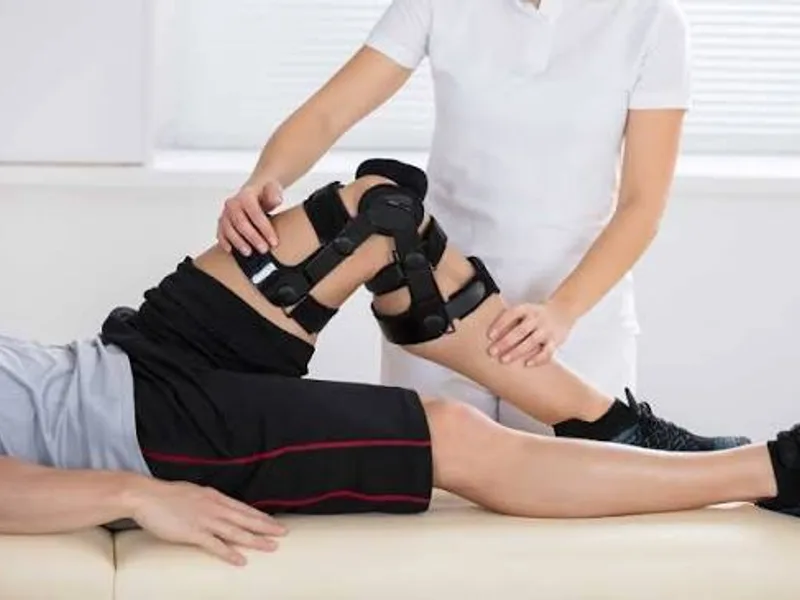
What Does a Physiotherapist Do?
A physiotherapist helps people improve movement, strength, flexibility and physical function after injury, illness or disability. Treatment may involve exercise, hands-on techniques, movement education and other rehabilitation methods.
The aim is not simply to make a painful area feel better for a few hours. A good rehabilitation programme looks at why movement is limited and how the person can safely regain function.
DOCTAR's physiotherapy guide describes physiotherapy as a healthcare profession focused on restoring movement and function, with applications ranging from musculoskeletal problems to neurological and post-surgical rehabilitation.
For someone searching for a physiotherapist near me in Asansol, the first question should therefore be: What problem do I need help with? That answer can guide the choice of therapist.
When Should You See a Physiotherapist?
Pain that keeps returning, stiffness that restricts movement or difficulty performing everyday activities may justify an assessment. Physiotherapy can also be part of recovery after an orthopedic operation, sports injury or neurological event.
Common reasons people seek physiotherapy include:
Back and neck pain
Knee, shoulder or hip problems
Arthritis and joint stiffness
Muscle strains and sprains
Sports injuries
Recovery after orthopedic surgery
Balance and walking difficulties
Rehabilitation after stroke
Work-related movement problems
Posture-related discomfort
DOCTAR's physiotherapy coverage in Nadia similarly covers orthopedic, neurological, sports and post-operative rehabilitation.
Physiotherapy is not necessarily appropriate for every new pain. Severe or unexplained symptoms may need assessment by a doctor before rehabilitation begins.
Back Pain Is a Common Reason for Physiotherapy
Back pain can interfere with sitting, walking, working and sleeping. Causes vary, so a therapist should assess the person's movement, strength and functional limitations rather than assuming that every case is the same.
DOCTAR's back pain physiotherapy guide discusses rehabilitation approaches including mobility work, strengthening and posture-related advice.
A physiotherapist may work on movement habits, muscle strength and flexibility when these are relevant to the person's problem. The programme should be adjusted as the patient improves.
In clinical practice, this is often missed because people treat back pain as a problem that simply needs rest. Sometimes rest helps briefly, but prolonged inactivity can also leave a person weaker and less confident about movement.
Knee Pain and Arthritis
Knee pain is another common reason people look for physiotherapy. Osteoarthritis, previous injuries, muscle weakness and movement problems can all affect the knee.
A physiotherapist may assess how the hip, knee and ankle work together and develop exercises around the person's ability. DOCTAR's knee arthritis exercise guide notes that exercise selection and technique matter, particularly when joint pain is present.
For knee pain that is severe, worsening or interfering substantially with daily life, a doctor or orthopedic specialist may also need to evaluate the underlying cause.
DOCTAR's guide to knee pain when bending also explains how physiotherapy can form part of rehabilitation for certain knee problems.
Physiotherapy After Surgery
Surgery may correct the original structural problem, but recovery does not necessarily end when the operation is over. Strength, joint movement and confidence often need to be rebuilt gradually.
Post-operative physiotherapy can be used after appropriate orthopedic procedures, including some knee, hip and other musculoskeletal operations. The programme depends on the surgery and the surgeon's instructions.
DOCTAR's post-surgery physiotherapy guide explains the role of rehabilitation in restoring strength, mobility and function after surgery.
A therapist should know what procedure was performed and what restrictions apply before starting exercises. Patients should not independently copy another person's post-operative programme.
Sports Injury Rehabilitation
Physiotherapy is widely used in sports rehabilitation, but you do not have to be a professional athlete to benefit from it. A weekend cricket injury, running-related problem or ankle sprain can also affect everyday mobility.
DOCTAR's sports injury physiotherapy guide describes rehabilitation for sprains, strains, tendon injuries and other activity-related problems.
The goal is usually more than reducing pain. Rehabilitation may include restoring strength, movement, balance and confidence before returning to demanding activity.
For significant swelling, deformity, inability to bear weight or severe sudden pain after an injury, medical assessment should come first.
Neurological Physiotherapy
Physiotherapy also has an important role in neurological rehabilitation. People recovering from stroke, Parkinson's disease or certain spinal conditions may need help with walking, balance, coordination and everyday movement.
DOCTAR's stroke rehabilitation guide explains how physical therapy can address strength, balance, coordination, flexibility and mobility after stroke.
Neurological rehabilitation can take time, and progress is not always linear. Treatment goals should be based on the person's abilities, medical condition and functional needs.
Sudden weakness, facial drooping, difficulty speaking or other possible stroke symptoms require emergency medical care, not a routine physiotherapy appointment.
What Happens During the First Session?
The first session should involve an assessment rather than immediately moving into a set of exercises. The physiotherapist may ask about pain, previous injuries, medical conditions, daily activities and what you want to regain.
They may examine movement, strength, flexibility, balance or the way you walk. The findings help shape the rehabilitation plan.
The therapist should explain the purpose of the exercises or techniques being used. If something causes unexpected or severe pain, tell the therapist rather than pushing through it.
What Treatments Can Physiotherapy Include?
Treatment varies according to the person's condition. Common approaches include:
Therapeutic Exercise
Exercises may be used to improve strength, flexibility, balance, endurance or movement control. The difficulty should normally progress according to the patient's ability.
Manual Therapy
Hands-on techniques may be used to help with joint movement or muscle and soft-tissue problems. They are often combined with active exercise rather than used as the entire treatment.
Heat, Cold and Electrotherapy
Some clinics use heat, cold, TENS or other electrotherapy modalities as part of treatment. These methods may complement rehabilitation, but they do not replace a proper assessment and exercise programme.
DOCTAR's physiotherapy clinic guide discusses manual therapy, therapeutic exercise, electrotherapy, heat and cold therapy, gait training and balance exercises.
How to Choose a Physiotherapist Near You in Asansol
Proximity is useful, but it should not be the only factor. Regular rehabilitation may involve several visits, so a conveniently located clinic can help with consistency, but qualifications and relevant experience remain important.
Look for a therapist whose training and experience match your problem. Someone treating sports injuries may have a different focus from a therapist working mainly in neurological rehabilitation.
DOCTAR's physiotherapy clinic selection guide recommends considering therapist qualifications, areas of specialization, facilities, patient feedback and accessibility when choosing a clinic.
Ask These Questions Before Booking
You can ask:
What conditions do you commonly treat?
What are your qualifications and relevant experience?
Have you treated patients with my type of problem?
How will my movement be assessed?
Will I receive exercises to continue at home?
How will progress be measured?
Should I also see an orthopedic doctor or other specialist?
Clear answers are a good sign. You should understand what the therapist proposes and why.
Workplace and Posture-Related Problems
Long periods of sitting, repetitive work and poorly arranged workstations can contribute to musculoskeletal problems. Neck stiffness, back discomfort, wrist problems and shoulder pain may develop gradually.
DOCTAR's ergonomic hazards guide discusses conditions such as back pain, neck pain, carpal tunnel syndrome and tendon problems associated with repetitive or awkward movements.
A physiotherapist may provide advice on posture and movement, but the solution is not always simply "sit straight." Workstation setup, movement breaks, lifting technique and physical conditioning can all matter.
Balance and Mobility in Older Adults
Age-related weakness, arthritis and balance problems can make walking less secure. Physiotherapy may help older adults work on strength, balance and functional movement where clinically appropriate.
Balance-focused rehabilitation can be particularly useful when someone has difficulty walking or has become less confident with movement. DOCTAR's balance board exercise guide explains how balance training can be incorporated into physical rehabilitation and fitness.
For an unexplained fall, sudden weakness or significant injury, medical assessment is important before beginning an exercise programme.
Physiotherapy for Shoulder and Hip Problems
Shoulder pain can arise from several different conditions, including tendon problems, stiffness and injuries. The treatment should be based on the underlying problem rather than simply the location of pain.
DOCTAR's sloped shoulders guide notes that posture and muscular imbalance can sometimes contribute to shoulder appearance or symptoms, while persistent pain or restricted movement may require assessment.
Hip and pelvic movement can also affect how a person walks and loads the lower back. DOCTAR's lateral pelvic tilt guide discusses uneven pelvic positioning, posture and movement.
What About Ankle Injuries?
Ankle sprains are common, especially during sports and sudden changes of direction. Recovery should address more than the initial swelling or pain.
Balance, strength and awareness of joint position can all be relevant during rehabilitation. DOCTAR's ankle taping guide discusses taping as one method sometimes used for additional support.
Taping is not a substitute for assessment when an injury is severe. Significant swelling, deformity or an inability to walk should be evaluated by a medical professional.
Stretching Is Not Always the Answer
Stretching can be useful, but more stretching is not automatically better. The right exercise depends on the problem, and sharp or persistent pain during an exercise is a reason to stop and reassess.
DOCTAR's inner-thigh stretching guide explains the difference between normal stretching tension and pain that should prompt caution.
This is one reason a personalised assessment can be more useful than copying exercises from social media.
When Should You See a Doctor Instead?
Physiotherapy and medical care often work together. A physiotherapist may identify a problem that needs medical investigation, while a doctor may refer a patient for rehabilitation once the diagnosis and treatment plan are established.
Seek prompt medical assessment for severe or rapidly worsening pain, major trauma, significant swelling or deformity, inability to bear weight, new severe weakness or other concerning symptoms.
For persistent neck symptoms, DOCTAR's neck pain guide highlights the need for medical evaluation when pain is severe, long-lasting or associated with symptoms such as numbness or weakness.
Frequently Asked Questions
Do I need a doctor's referral to see a physiotherapist?
Referral requirements vary by clinic and situation. Some physiotherapists accept patients directly, while a doctor's assessment may be appropriate for complex, unexplained or serious symptoms.
How long does physiotherapy take?
There is no fixed number of sessions. Recovery depends on the condition, severity, health status, goals and response to rehabilitation.
Is physiotherapy painful?
Some exercises or hands-on techniques may cause mild temporary discomfort, but treatment should be appropriately adjusted. Severe or unexpected pain should be reported to the therapist.
Can physiotherapy help back pain?
It can help some people with back pain by addressing movement, strength, flexibility and function. The appropriate approach depends on the cause and individual assessment.
Can I do physiotherapy exercises at home?
Home exercises are commonly part of rehabilitation, but they should be appropriate for your condition. Copying exercises designed for someone else may not be suitable.
How do I find a physiotherapist near me in Asansol?
Check the therapist's qualifications, experience, treatment focus, clinic location and availability. If the problem is complex, ask whether the therapist works with orthopedic, neurological or other medical specialists when needed.