

Emergency & Help
24/7 Emergency & General Advisory
🚨 24/7 Medical Emergency
Non-Emergency Advisory
10:00 AM – 6:00 PM, Mon–Sat
For appointments & general queries.
24/7 Emergency & General Advisory
🚨 24/7 Medical Emergency
Non-Emergency Advisory
10:00 AM – 6:00 PM, Mon–Sat
For appointments & general queries.
Premature ejaculation is not simply about “lasting too little.” The condition can involve reduced control over ejaculation, distress and repeated difficulty during sexual activity. Causes can be psychological, physical, relationship-related, or a combination of several factors.
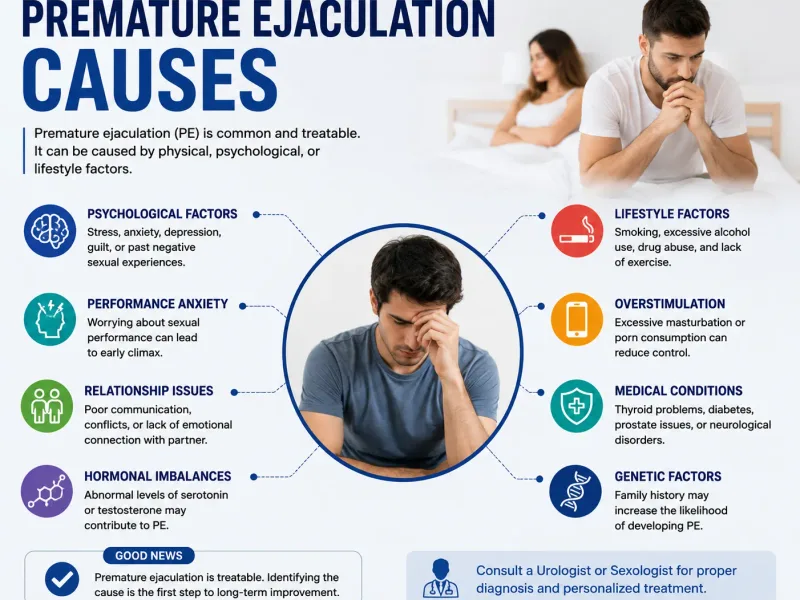
Premature ejaculation (PE) usually does not have one single cause. Anxiety, relationship difficulties, erectile problems, hormonal factors, inflammation and changes in sexual sensitivity can all contribute.
Doctar's existing men's-health content similarly describes PE as a condition influenced by both psychological and biological factors. It identifies anxiety, stress, relationship problems, depression, low self-esteem, hormonal factors, prostate or urethral inflammation and erectile dysfunction among possible contributors.
Occasional early ejaculation does not necessarily mean someone has PE. The pattern becomes more concerning when it happens repeatedly, feels difficult to control and causes significant distress.
Anxiety can create a difficult cycle during sex. A man may worry about satisfying his partner or fear ejaculating too quickly. That worry can increase arousal and tension, making ejaculation harder to control.
Performance anxiety can also occur after one disappointing sexual experience. The next encounter may begin with the thought, “What if it happens again?” That expectation itself can become part of the problem.
Doctar's guide to performance anxiety in men discusses the connection between anxiety and sexual difficulties. The site's online sex therapy guide also lists premature ejaculation and sexual performance anxiety among concerns that may be addressed in therapy.
Everyday stress can spill into the bedroom. Work pressure, financial worries, poor sleep and ongoing emotional strain may affect sexual response.
Stress does not automatically cause PE, but it can make existing problems harder to manage. Anxiety and exhaustion can also reinforce each other, as Doctar discusses in its article on anxiety and exhaustion.
In clinical practice, sexual concerns are sometimes missed because men describe ejaculation as the problem but leave out the anxiety, relationship tension or embarrassment surrounding it. Those details can matter when trying to understand the cause.
Sexual function does not exist separately from a person's relationship. Conflict, poor communication, fear of disappointing a partner or unresolved intimacy concerns may contribute to sexual difficulties.
A man may also become overly focused on his partner's expectations. Instead of concentrating on intimacy and sensation, he starts watching the clock or judging his own performance.
Open communication can help reduce that pressure. When relationship difficulties are significant, counselling or sex therapy may be worth considering.
Erectile dysfunction (ED) and premature ejaculation can occur together.
A man who worries about losing his erection may rush sexual activity or ejaculation when he becomes erect. Conversely, repeated PE can increase anxiety about sexual performance and contribute to erection difficulties.
Doctar's information on erectile dysfunction explains that erection problems can have both physical and psychological causes, including stress, anxiety and relationship problems.
If both PE and erection problems are persistent, a medical evaluation can help determine whether there is an underlying health issue.
The nervous system plays a central role in ejaculation. Changes in the chemicals that help regulate nerve signalling, including serotonin, may influence ejaculatory control.
Hormonal factors can also matter in some men. Thyroid abnormalities and other hormonal disturbances have been discussed as possible contributors, although not every man with PE has a hormone problem.
This is one reason self-diagnosis can be misleading. Finding a biological explanation requires appropriate clinical assessment rather than assuming that a particular hormone is responsible.
Inflammation involving the prostate or urethra may sometimes contribute to ejaculation problems.
Symptoms such as pelvic discomfort, pain with urination, urinary changes or pain during ejaculation deserve medical attention. These symptoms should not simply be blamed on sexual performance anxiety.
Doctar's PE resource lists prostatitis and urethritis among possible biological contributors.
Early sexual experiences can shape later sexual responses. A history of rushing during masturbation because of fear of being discovered, negative sexual experiences or significant embarrassment may influence sexual habits and anxiety.
That does not mean a particular masturbation habit permanently causes PE. Sexual response is more complicated than that, and people can change their patterns.
Doctar also discusses sexual response as a broader process involving desire, arousal, orgasm and resolution in its guide to the sexual response cycle.
Feeling inadequate can affect sexual confidence. Concerns about penis size, attractiveness or perceived sexual ability may increase pressure during intimacy.
Doctar addresses this issue in its article on penis size and sexual satisfaction, noting that sexual satisfaction involves much more than penis size.
A man who believes he must meet an unrealistic standard may become increasingly anxious, which can worsen sexual difficulties.
Some health conditions and medicines can affect sexual function. The effect varies depending on the drug, dose, underlying condition and individual.
Diabetes, neurological problems, hormonal disorders and other health conditions may influence sexual function in some men. That does not mean PE is automatically a sign of serious disease.
A doctor can review medical history, symptoms and current medicines before deciding whether further evaluation is needed.
Yes. Treatment depends on the underlying factors and may involve behavioural approaches, counselling or sex therapy, treatment of an associated medical condition, or medication when a qualified clinician considers it appropriate.
Doctar's premature ejaculation guide discusses behavioural techniques and pelvic-floor exercises, while its male sexual stamina guide discusses the role of physical health, stress and lifestyle.
Men should be cautious about products marketed as instant cures. Doctar has also addressed unsafe internet remedies, including the use of toothpaste for sexual performance.
Consider professional advice when premature ejaculation happens repeatedly, causes distress, affects a relationship or appears alongside other sexual or urinary symptoms.
A urologist, sexual-health specialist or appropriately qualified clinician can assess possible physical and psychological contributors. Doctar currently lists sexologists who treat premature ejaculation and other sexual-health concerns.
For example, Doctar lists urologists in Kolkata, including specialists such as Dr. Sandip Banerjee, Dr. Tahzeeb
Visit Hospital
Near You
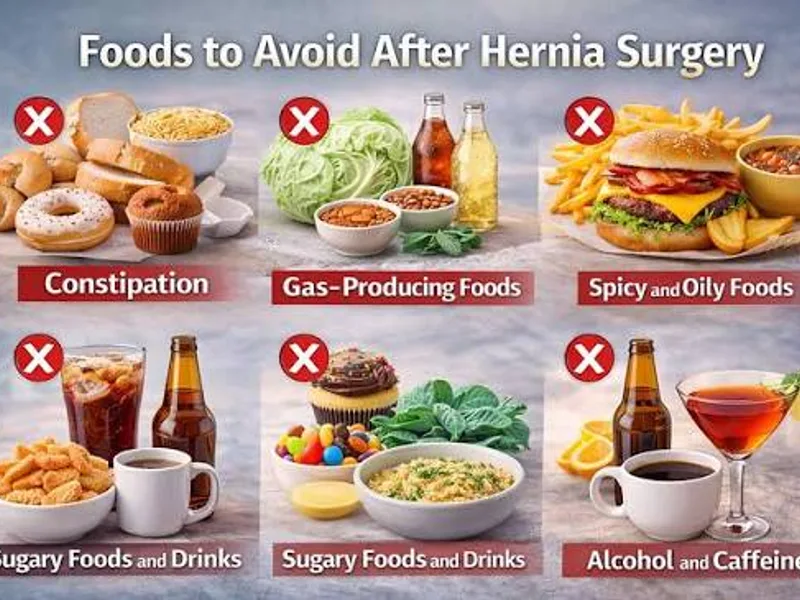
Most people can return to a normal diet within a day or two of hernia surgery, but some food choices make recovery smoother. Start with light, easy-to-digest meals. Then add fiber, lean protein, and plenty of fluids to support healing and prevent constipation.
September 30, 2026
Rudhira Diagnostics is a trusted pathology lab in Ahilyanagar (Ahmednagar) offering blood tests, full body checkups & home sample collection. Book now.
August 29, 2026

Find verified endocrinologists in Lucknow on DOCTAR. Compare experience, ratings, consultation fees and hospital locations, then book an appointment online.
August 22, 2026