

Emergency & Help
24/7 Emergency & General Advisory
🚨 24/7 Medical Emergency
Non-Emergency Advisory
10:00 AM – 6:00 PM, Mon–Sat
For appointments & general queries.
24/7 Emergency & General Advisory
🚨 24/7 Medical Emergency
Non-Emergency Advisory
10:00 AM – 6:00 PM, Mon–Sat
For appointments & general queries.
Remote patient monitoring has quietly moved from a pandemic-era workaround to a genuine part of how chronic conditions get managed. Devices tracking blood pressure, glucose, and oxygen levels from home are no longer niche gadgets,

Remote patient monitoring, often shortened to RPM, isn't new. It got a big push during the pandemic when clinics needed a way to keep tabs on patients without bringing them into a waiting room. What's changed is that the tools stuck around, and they're no longer treated as a temporary workaround.
The American Association of Nurse Practitioners named remote monitoring and wearables going mainstream as its top healthcare trend heading into 2026. That's a fairly strong statement from a body that represents frontline clinicians, not a tech marketing team. It reflects something a lot of primary care doctors already sense: patients are managing more chronic conditions at home, and periodic in-clinic checkups aren't enough to catch problems early.
A few things lined up at once. Chronic disease has become more common, populations are aging, and there simply aren't enough clinicians to see everyone as often as would be ideal. RPM fills part of that gap by letting a blood pressure cuff, glucose sensor, or pulse oximeter send readings to a care team without a scheduled visit.
Reimbursement policy played a real role too. In the US, expanded billing codes for remote monitoring, introduced progressively since 2019, made it financially viable for practices to actually run these programs rather than treat them as a nice-to-have. As of 2026, federally qualified health centres and rural clinics gained eligibility for some of these codes, which matters because it extends monitoring to populations that often have the least access to regular in-person care.
None of this means the technology suddenly got dramatically better overnight. It means the financial and structural pieces finally caught up to what the devices could already do.
It's worth being specific here, because "remote monitoring improves outcomes" gets thrown around loosely. The strongest evidence right now is in chronic disease management, particularly diabetes, high blood pressure, and heart failure.
A 2026 meta-analysis pooling 20 randomized controlled trials found remote monitoring produced an average 0.42 percentage point reduction in HbA1c, the standard blood sugar marker used to track diabetes control, among people with type 2 diabetes. That's a modest but real number, not a dramatic cure, and it's exactly the kind of unglamorous, believable result that tends to hold up under scrutiny. A separate state-level initiative spanning community health centres reported a 1.8% A1c reduction at six months, tapering to 1.3% at twelve months, which is a useful reminder that early gains from monitoring programs don't always hold steady over time.
In clinical practice, this is the part that gets missed in the excitement around new devices: monitoring only helps if someone is actually reviewing the data and acting on it. A glucose sensor sending numbers into a void that nobody checks isn't remote patient monitoring, it's just data collection. The clinical value comes from the follow-up, not the gadget.
Blood pressure and heart failure monitoring have shown up consistently as strong use cases, largely because small day-to-day changes in weight or blood pressure can flag a problem before it becomes an emergency room visit. If you have hypertension or a heart condition, ask your cardiologist whether a home monitoring setup makes sense for your specific situation, rather than assuming every patient needs one.
Diabetes management is another area where continuous glucose monitors have moved from a niche tool to something regulators are actively pushing into broader use, including hospital settings. If you're managing diabetes, this is worth a direct conversation with an endocrinologist about whether continuous monitoring would change how your treatment gets adjusted.
Respiratory conditions and post-surgical recovery are increasingly using monitoring too, particularly oxygen saturation tracking. A pulmonologist can advise on whether this applies to your case, especially if you've had a recent hospital stay.
Here's the honest caveat. RPM helps with detection and follow-up, but it doesn't replace clinical judgment, and it definitely doesn't replace a real relationship with a doctor who knows your history. A device flagging an abnormal reading still needs a human to decide what that means for you specifically.
There's also a practical access question that doesn't get enough attention. Not everyone has reliable internet, a smartphone, or the comfort level to operate connected devices day to day, particularly older patients who are often the ones who'd benefit most from continuous monitoring. Providers pushing hard on RPM adoption should be building in support for people who need help setting devices up, not just handing out hardware.
Data privacy is the other underdiscussed piece. Continuous health monitoring generates a steady stream of sensitive information, and patients deserve a clear answer about who sees it, how long it's kept, and whether it's shared with anyone beyond their care team. If a provider or platform can't answer that plainly, that's worth pausing over before you sign up.
If your doctor suggests remote monitoring for a chronic condition, it's a reasonable thing to try, particularly for blood pressure, diabetes, or heart failure management where the evidence is strongest. Ask what happens to the data day to day, who reviews it, and what triggers a call back from your care team versus what just sits in a dashboard.
If you're managing a condition through regular visits to a general physician or a specialist like a gastroenterologist, it's worth asking whether monitoring could reduce how often you need to travel in, especially if you rely on home visit doctor services or live somewhere without easy access to a clinic. For elderly patients or those managing multiple conditions, pairing remote monitoring with periodic home nursing visits or scheduled check-ins with a physiotherapist for recovery tracking can offer a more complete picture than either approach alone.
If a reading ever looks seriously abnormal, don't wait for a scheduled check-in. Contact your care team directly, or if it feels urgent, use emergency services or call an ambulance rather than assuming the monitoring system will catch it in time. These devices support clinical decisions, they don't replace urgent care when something's genuinely wrong.
For routine lab work that complements home monitoring, such as periodic blood tests alongside a glucose monitor, a nearby diagnostic centre can fill in the gaps a wearable can't cover. And if you're building out a broader home care setup, checking hospital-linked home care options or pharmacy delivery for supplies like test strips and sensors can make the whole system easier to maintain long term.
Visit Hospital
Near You

Most people can return to a normal diet within a day or two of hernia surgery, but some food choices make recovery smoother. Start with light, easy-to-digest meals. Then add fiber, lean protein, and plenty of fluids to support healing and prevent constipation.
September 30, 2026
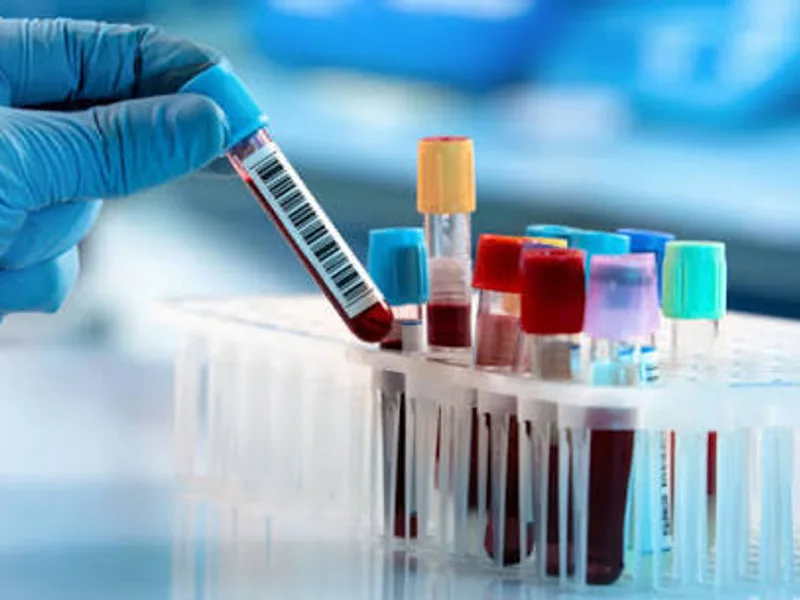
Rudhira Diagnostics is a trusted pathology lab in Ahilyanagar (Ahmednagar) offering blood tests, full body checkups & home sample collection. Book now.
August 29, 2026

Find verified endocrinologists in Lucknow on DOCTAR. Compare experience, ratings, consultation fees and hospital locations, then book an appointment online.
August 22, 2026