

Emergency & Help
24/7 Emergency & General Advisory
🚨 24/7 Medical Emergency
Non-Emergency Advisory
10:00 AM – 6:00 PM, Mon–Sat
For appointments & general queries.
24/7 Emergency & General Advisory
🚨 24/7 Medical Emergency
Non-Emergency Advisory
10:00 AM – 6:00 PM, Mon–Sat
For appointments & general queries.
The viral treadmill workout hack "12-3-30" is everywhere on social media. Here's what it actually does to your body, and who should think twice.
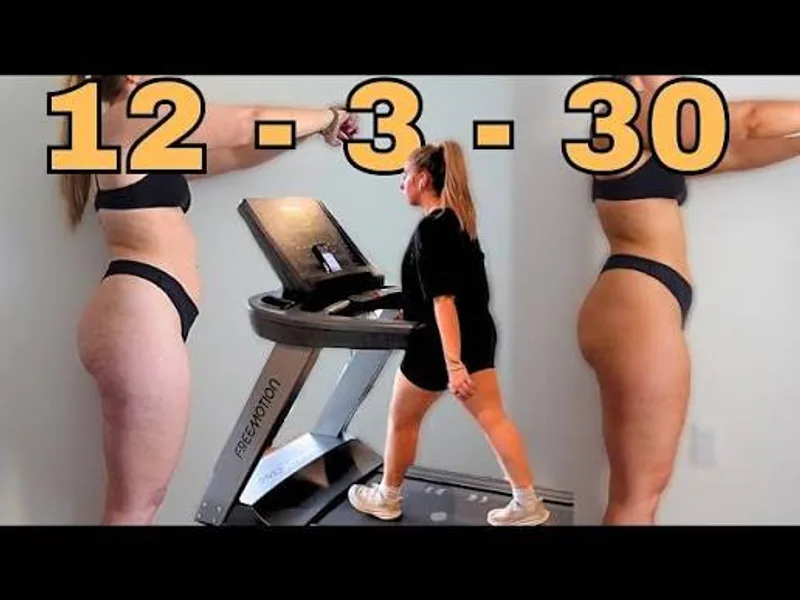
The "12-3-30" workout isn't some mysterious internet myth. It came from content creator Lauren Giraldo, who shared her routine on YouTube back in 2019 and later on TikTok, where it exploded. The formula is almost embarrassingly simple: set the treadmill to a 12% incline, walk at 3 miles per hour, for 30 minutes. No running, no equipment, no complicated app.
That simplicity is exactly why it stuck. People are tired of being told they need an hour-long gym session or a complicated split routine to see any change. A steep incline walk feels doable, even for someone who dreads running or feels intimidated walking into a gym.
Here's the part most viral fitness content skips: incline changes the type of effort involved, not just the difficulty. At a 12% grade, you're essentially climbing a steady, moderate hill for half an hour. Your glutes, hamstrings, and calves do far more work than they would on flat ground, and your heart rate climbs even though you're technically "just walking."
This is the same principle behind why Doctar's piece on how walking compares to cycling points to walking uphill as particularly effective for fat metabolism — it's a weight-bearing activity working against both your body mass and gravity. It's also related to the logic in the treadmill vs. stationary bike comparison, where incline settings are called out as a way to raise intensity without adding impact.
Is it a magic number? No. A 10% or 8% incline at a similar pace does something fairly similar. The specific "12-3-30" combination isn't backed by some unique physiological finding — it's just the setup one person landed on through trial and error, and it happened to be catchy enough to spread.
In clinical practice, this is often the piece that gets glossed over in viral fitness posts: a 12% incline is genuinely steep, and thirty minutes at that grade is real cardiovascular work, not a gentle stroll. For someone with an existing heart condition or high blood pressure, that sustained elevated heart rate matters. If that's you, it's worth a conversation with a cardiologist before jumping straight to the full 30-minute version.
People with knee, hip, or ankle issues should also pace themselves. Doctar's guide on keeping your joints strong is a good starting point, and anyone managing a chronic joint condition should look at strength training with joint conditions for the same "build up gradually" mindset. A joint and bone care specialist can help if incline walking triggers pain that doesn't settle within a day or two.
Honestly, "better" depends on what you're optimizing for. If your goal is calorie burn per minute, high-intensity interval training or a program built around metabolic conditioning will edge it out. But those come with a steeper injury curve, and Doctar's look at HIIT's double-edged nature is worth reading if you've ever crashed hard after a week of intense sessions. Programs like Insanity sit at that far end of the intensity spectrum, and they're not for everyone.
The incline walk sits closer to what some coaches call low heart rate training — sustained, moderate effort rather than repeated all-out bursts. That's part of why it's kinder to joints than sprinting or full burpee circuits, even if it doesn't torch calories quite as fast minute-for-minute. Over time, this kind of steady cardio also tends to support a lower resting heart rate, which is a reasonable marker of improving fitness.
Don't start at 12%. Genuinely — if you haven't done sustained incline work before, ease in at 5-6% for ten minutes and build from there over a couple of weeks. Trying the full version on day one is a fairly reliable way to end up sore in places you didn't expect, or worse, dealing with shin splints from the repetitive strain.
Footwear matters more here than people assume. A worn-out pair of shoes on a steep, repetitive incline is a fast route to foot and shin pain — Doctar's pieces on rotating your shoes and finding the right running shoe fit both apply here even though this isn't technically running. If shin pain does show up, kinesiology taping can help short-term, but it's not a substitute for addressing the cause.
And please, don't grip the handrails the whole time. It's tempting on a steep incline, but leaning on the rails takes load off the muscles doing the actual work and quietly defeats a chunk of the point.
Giraldo has said she did this five days a week, and that's simply not a rule everyone needs to follow. Doctar's piece on how often you should really do cardio makes a fair point: repeating the same movement pattern daily raises overuse injury risk, especially early on. Three sessions a week, with rest or a different activity in between — maybe a beginner running routine or a regular flat walk — is a more sustainable starting point than trying to match an influencer's schedule immediately.
If weight loss is the actual goal here rather than just trying a trend, it helps to zoom out. Doctar's breakdown of what actually happens when you walk an hour a day and the honest look at how many calories walking really burns both make the same point: no single 30-minute session, however viral, replaces consistent habits around food and daily movement, something the guide on everyday eating and movement habits covers well. Timing your incline sessions around meals also matters somewhat, and walking after eating is worth a read if you're trying to fit this into a daily routine.
Visit Hospital
Near You