Vitamin D deficiency is not just a “sunshine” problem
Vitamin D is best known for helping the body absorb calcium and maintain healthy bones and muscles. The body can make it when skin is exposed to ultraviolet B, or UVB, light, but sunlight is not the only source.
Food and supplements can contribute too. And despite India's abundant sunshine, getting enough vitamin D is not automatic. A person who spends most of the day indoors may get surprisingly little useful UVB exposure.
Doctar's vitamin and supplement guide covers vitamin D alongside other essential nutrients and explains why supplements should not replace a balanced diet.
The bigger problem is that deficiency can be quiet. Someone may have a low blood level without feeling obviously unwell.
Why can vitamin D be low in India?
Sunlight exposure is only part of the equation. Skin tone, clothing, time spent outdoors, season, location, air pollution and the amount of skin exposed can all influence how much vitamin D the body makes.
People who work indoors or spend most of their day commuting, studying or working behind screens may have limited exposure. Darker skin also produces vitamin D less efficiently from the same amount of UVB exposure because melanin reduces vitamin D production.
Doctar's sunlight and vitamin D guide explains the relationship between sunlight and vitamin D, while its guide to sunlight through windows explains why ordinary window glass limits the UVB needed for vitamin D production.
Diet can matter as well. Fatty fish, egg yolks and fortified foods can provide vitamin D, although dietary sources alone may not be enough for someone who is deficient.
Doctar's nutrition and supplements guide for athletes discusses vitamin D sources and the nutritional needs of people whose routines may involve substantial indoor training.
What are the symptoms of vitamin D deficiency?
Mild deficiency may cause no noticeable symptoms. That makes it difficult to identify based on how you feel.
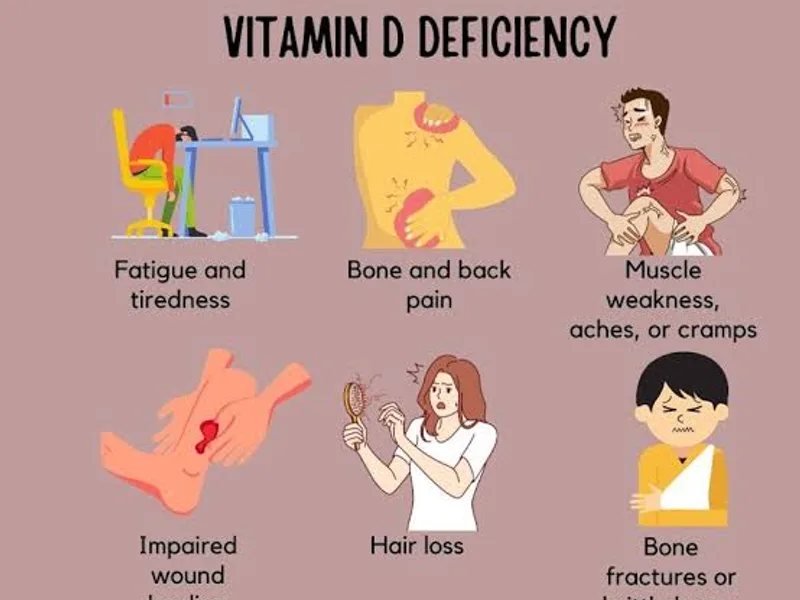
When deficiency is more significant or prolonged, symptoms can include muscle weakness, muscle aches, bone pain and fatigue. Severe deficiency can interfere with normal bone mineralisation and lead to osteomalacia, a condition in which bones become softer.
But here is where people often go wrong: tiredness does not automatically mean low vitamin D.
In clinical practice, this is often missed because fatigue and body aches are quickly blamed on vitamin D without looking for other causes. Anaemia, thyroid problems, poor sleep, stress and several other medical conditions can produce similar complaints.
Doctar's vitamin D and joint-pain guide makes the same practical point: persistent pain deserves proper evaluation rather than an assumption that vitamin D is responsible.
Who is more likely to become deficient?
Risk is not the same for everyone. People with little sun exposure, darker skin, older age or diets low in vitamin-D-containing foods may have a higher risk.
Certain medical conditions can also interfere with vitamin D absorption or metabolism. Problems involving the digestive tract, liver or kidneys can affect vitamin D status, as can some medicines.
Pregnancy is another period when nutritional needs need careful attention. Doctar's vitamin D in pregnancy guide explains why pregnant women should discuss vitamin D and other nutrients with their healthcare professional.
Menopause brings a separate concern because bone loss becomes increasingly relevant with age. Doctar's vitamin D and menopause guide looks at the relationship between vitamin D, bone health and hormonal changes.
How is vitamin D deficiency diagnosed?
The usual blood test for vitamin D status measures 25-hydroxyvitamin D, also written as 25(OH)D.
The result needs context. Laboratories may use different reference ranges, and doctors consider the person's age, medical history, symptoms and risk factors when deciding what the result means.
Doctar's blood-test preparation guide explains what patients can expect before and during routine blood testing.
Doctar also discusses vitamin D testing in its menopause and vitamin D article, including the use of 25(OH)D testing.
One caution: don't order a huge collection of vitamin tests simply because you feel tired. A doctor can decide whether vitamin D testing makes sense based on your symptoms and risk profile.
Vitamin D and calcium work together
Vitamin D helps the intestine absorb calcium. Calcium, in turn, is essential for bones, muscle contraction, nerves and other normal body functions.
That is why correcting vitamin D deficiency is often discussed alongside overall calcium intake. But taking calcium supplements automatically is not the answer for everyone.
Doctar's calcium-rich foods guide looks at calcium sources in an Indian diet, while its non-dairy calcium guide covers options for people who avoid or cannot tolerate dairy.
Bone health also depends on physical activity, adequate nutrition and other factors. Doctar's osteoporosis prevention guide discusses the wider picture.
Does vitamin D deficiency mean you have osteoporosis?
No. The two conditions are related to bone health but are not the same thing.
Vitamin D deficiency can contribute to poor bone mineralisation, while osteoporosis is a disease in which bone becomes less dense and more fragile. A person can have vitamin D deficiency without having osteoporosis.
Doctar's guide to osteoporosis and bone-density loss explains how osteoporosis develops and how bone health can be managed.
A bone-density scan, usually called a DXA or DEXA scan, may be appropriate for some people at increased risk of osteoporosis. It is not automatically required simply because a vitamin D result is low.
Doctar's bone-density scan guide explains how these scans are used, while its T-score and Z-score guide explains two measurements found in bone-density reports.
Can sunlight correct vitamin D deficiency?
Sunlight can help the body produce vitamin D, but there is no universal “10-minute rule” that works for everybody.
The amount of vitamin D produced depends on skin tone, season, location, time of day, clothing and the amount of exposed skin. Deliberately staying in the sun until the skin burns is not a treatment strategy.
Doctar's sunbathing and vitamin D article discusses the balance between sunlight exposure and skin safety.
Food can help too. Fatty fish, egg yolks and fortified foods are among the dietary sources of vitamin D. Doctar's vitamin and supplement overview provides a broader look at dietary sources and supplementation.
What about vitamin D supplements?
Supplements are commonly used when deficiency has been confirmed, but high doses are not harmless.
Vitamin D is fat-soluble, meaning excess amounts can accumulate in the body. Too much can raise blood calcium and, in severe cases, contribute to kidney and other health problems.
The right treatment depends on the person's blood level, age, medical history and reason for deficiency. Someone with kidney disease, certain hormonal disorders or problems absorbing nutrients may need particularly careful medical supervision.
Doctar's article on vitamin D and IBS also highlights the need for medical guidance when deficiency and digestive conditions overlap.
Do not copy a high-dose supplement schedule from a friend, social-media post or online forum. A clinician should decide what treatment is appropriate.
When should you see an endocrinologist?
Most cases do not require a specialist. A general physician can often assess suspected vitamin D deficiency, order appropriate testing and advise on treatment.
An endocrinologist, a doctor who specialises in hormones and metabolic conditions, may become useful when deficiency is persistent, unusually severe or linked with calcium, parathyroid, kidney or other endocrine problems.
For example, Doctar lists Dr. Sudipta Dutta, endocrinologist in Kolkata, Dr. Sagarika Mukherjee, Dr. Subir Ray, and Dr. Sujit Bhattacharya. These are directory listings, not endorsements.
Doctar also lists Dr. Amit Dey and Dr. Debashis Maitra among endocrinology listings in Kolkata.