Effective Home Solutions for a Dry Scalp
Meena, 45, a homemaker from Jaipur, experienced intense itching and persistent flaking on her scalp, particularly during the dry winter months. Initially, she dismissed it as minor irritation, but the discomfort escalated, impacting her confidence.
Like many in India, Meena sought traditional solutions passed down through generations. What most people overlook is that an irritated scalp isn't merely a cosmetic concern; it can signal underlying imbalances and discomfort requiring attention.
The truth is, an irritated scalp affects millions. Over 101 million Indians have diabetes (ICMR, 2023), a condition that can sometimes present with skin issues, including dryness. While not all irritated scalp conditions stem from diabetes, it underscores the prevalence of wellness concerns impacting skin.
Understanding the origins is the initial step toward finding reliable relief. This situation, marked by itching, flaking, and sometimes a feeling of tightness, can be worsened by environmental elements, hair care practices, and even diet.
The numbers don't lie.
Understanding an Irritated Scalp
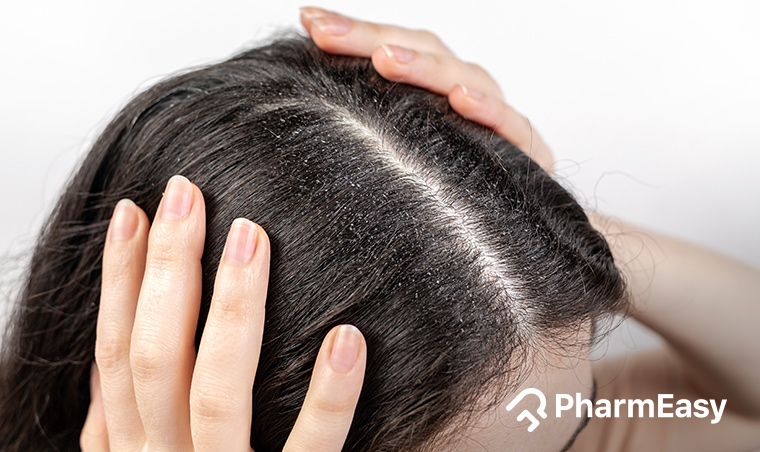
Before exploring treatments, let's clarify what an irritated scalp entails. It arises when your scalp lacks adequate moisture. This can result in the shedding of small, dry, white flakes that are often misidentified as dandruff.
Dandruff, however, is typically caused by a fungus known as Malassezia and often leads to larger, yellowish, oily flakes. In numerous instances, differentiating between the two can be challenging, but the treatment strategy often varies.
But why does this occur? Several elements contribute:
- Environmental Dryness: Cold, arid air (common in North India during winter) and low humidity deplete moisture from the skin, including the scalp.
- Excessive Washing: Cleaning your hair too often can remove the inherent oils (sebum) that shield and hydrate your scalp.
- Harsh Hair Products: Shampoos and styling items containing sulfates, alcohol, or strong perfumes can aggravate and dry out the scalp.
- Age: As we get older, our skin tends to produce less oil, making dryness more prevalent.
- Medical Conditions: Certain skin ailments like eczema or psoriasis, and even nutritional deficits, can contribute to scalp dryness.
So what does that signify for you? It means identifying the specific triggers unique to your daily life is vital for enduring relief.
Gentle Household Solutions for Dry Scalp Relief
Fortunately, the environment provides several potent answers that have been utilized for centuries in Indian homes. These solutions are mild, economical, and can offer substantial relief from itching and flaking.
1. Coconut Oil: The Tropical Hydrator
Coconut oil is a staple in Indian households, celebrated for its hydrating and antimicrobial benefits. Its fatty acids permeate the hair shaft and scalp, delivering deep hydration. Applying warm coconut oil to your scalp can calm dryness and lessen itching.
The numbers don't lie.
How to use: Gently warm 2-3 tablespoons of virgin coconut oil. Massage it thoroughly into your scalp. Allow it to remain for at least 30 minutes, or overnight for deeper conditioning, before rinsing with a mild shampoo. Aim to perform this 2-3 times per week.
2. Aloe Vera: The Calming Gel
The gel from the aloe vera plant is celebrated for its anti-inflammatory and hydrating properties. It can soothe an agitated scalp and deliver much-needed hydration. This is especially beneficial after extended sun exposure or irritation from potent chemicals.
How to use: Extract fresh gel from an aloe vera leaf. Apply it directly to your scalp and let it sit for 30-45 minutes. Rinse with lukewarm water. use this solution 2-3 times per week.
3. Yogurt and Honey Mask: Nourishing Combination
Yogurt, with its lactic acid content, functions as a mild exfoliant, aiding in the removal of dead skin cells. Honey is a gentle humectant, drawing and retaining moisture. Together, they form a potent mask for a dry scalp.
How to use: Combine 2 tablespoons of plain, unsweetened yogurt with 1 tablespoon of honey. Apply the mixture to your scalp and hair. Let it rest for 20-30 minutes before rinsing thoroughly. This can be done once weekly.
4. Apple Cider Vinegar (ACV) Rinse: Balancing pH
ACV possesses antifungal and antibacterial qualities that can assist in addressing scalp issues. It also helps to re-establish the scalp's inherent pH balance, which is frequently disrupted by alkaline shampoos, leading to dryness.
How to use: Dilute 2 tablespoons of ACV with 1 cup of water. After shampooing and rinsing, pour the diluted ACV mixture over your scalp. Massage gently, then rinse with cool water. Employ this rinse once per week.
5. Olive Oil and Lemon Juice: Hydrate and Enhance Shine
Olive oil provides deep hydration, while lemon juice, rich in citric acid, can aid in exfoliation and impart shine. However, use lemon juice cautiously as its acidity can be drying if applied too frequently.
Here's where it gets interesting.
How to use: Mix 2 tablespoons of olive oil with 1 teaspoon of fresh lemon juice. Gently massage onto your scalp. Allow it to remain for 15-20 minutes, then wash with a mild shampoo. Limit this to once per week due to the lemon juice.
6. Fenugreek Seeds (Methi): Traditional Soother
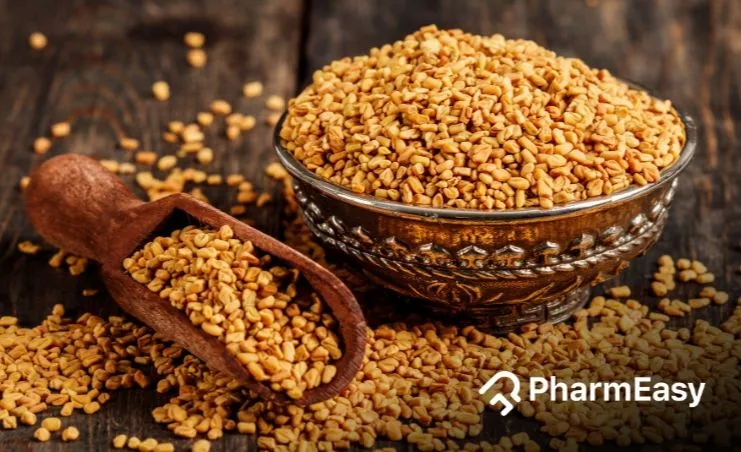
Fenugreek seeds are rich in proteins and nicotinic acid, recognized for strengthening hair roots and calming an agitated scalp. Their anti-inflammatory characteristics make them excellent for dryness and itching.
How to use: Soak 2 tablespoons of fenugreek seeds in water overnight. Grind them into a paste in the morning. Apply this paste to your scalp and leave it for 30 minutes. Rinse with water. This can be utilized twice weekly.
Lifestyle Adjustments for Scalp Well-being
Beyond topical treatments, certain lifestyle modifications can yield significant improvements. Diet makes a real difference in overall skin wellness.
Ensuring adequate consumption of essential fatty acids (found in nuts, seeds, and fatty fish), vitamins (particularly B vitamins and Vitamin E), and adequate fluid intake is essential. The World Health Organization (WHO) highlights the importance of a balanced diet for maintaining skin integrity.
Consider your hair washing regimen. For many, reducing shampoo frequency to every other day or even twice weekly proves beneficial. When you do wash, opt for lukewarm water rather than hot, as hot water strips inherent oils. Also, gently massage your scalp with your fingertips rather than scrubbing vigorously.
Environmental elements are frequently underestimated. During arid seasons, employing a humidifier indoors can assist in maintaining scalp moisture. If you often sit on the floor, as is prevalent in many Indian households, ensure the surfaces are clean to prevent potential irritation or infection.
Here's where it gets interesting.
The International Diabetes Federation (IDF) points out that certain systemic conditions can impact skin wellness. If your dry scalp is severe, persistent, or accompanied by other symptoms like redness, sores, or hair loss, it is imperative to seek professional medical guidance.
Over 5 million Indians experience psoriasis (AIIMS data), a situation that can affect the scalp and requires specific medical care.
Honestly, managing a dry scalp involves a comprehensive approach. It's about nurturing your scalp from the outside with gentle solutions and from the inside with a healthy lifestyle and diet. The key is consistency and patience.
Remember Meena? After consistently applying coconut oil massages and adjusting her diet to include more nuts and seeds, her scalp situation improved considerably within a few weeks.
When to Seek Medical Attention
While household solutions are successful for mild to moderate dry scalp, persistent or severe signs necessitate a professional evaluation. If you experience intense itching that interrupts sleep, redness, inflammation, sores, or substantial hair loss, it is time to consult a dermatologist or trichologist.
They can accurately identify the cause—whether it's simple dryness, a fungal infection, psoriasis, or another ailment—and recommend appropriate care. The Lancet recently published research emphasizing the connection between scalp wellness and overall well-being, underscoring the importance of addressing ongoing scalp issues.
Recovery is rarely linear.
Key Takeaways:
- Dry scalp stems from a lack of moisture and can be mistaken for dandruff.
- Gentle ingredients like coconut oil, aloe vera, yogurt, and honey provide impactful relief.
- Lifestyle aspects, including diet, washing habits, and environmental conditions, play a meaningful role.
- Over 101 million Indians have diabetes (ICMR, 2023), and managing underlying wellness concerns is vital for skin health.
- Consult a physician for persistent, severe manifestations or if you suspect a more serious underlying issue.
Always consult a qualified physician before making any medical decisions.