Gentle Home Approaches for Lice Eradication: A Physician's Insight
Meena, 45, a homemaker from Jaipur, observed her daughter, Priya, frequently rubbing her head. A swift look revealed tiny, active insects and small, pale specks adhering to Priya's hair strands. Head lice, scientifically known as *pediculosis capitis*, represent a frequent annoyance, particularly among youngsters attending school.
While readily available over-the-counter remedies exist, numerous parents explore milder, more natural interventions. This guide, informed by clinical knowledge and time-honored practices, examines gentle home strategies for lice eradication.
Understanding Head Lice
Head lice are minuscule, wingless creatures that inhabit the human scalp and subsist on blood. They transmit primarily through direct head-to-head contact. Have you ever contemplated the reason for this? Such close proximity is the most prevalent avenue for lice transference between individuals, often occurring during play, school-related activities, or family get-togethers.
Although not indicative of poor personal cleanliness, an infestation can cause considerable itchiness and distress. The foremost symptom is an intense itching sensation on the scalp, which, at times, can lead to secondary infections stemming from scratching. It's estimated that over 101 million Indians are impacted by head lice annually (drawing from extrapolated global prevalence figures, as specific Indian ICMR data is sparse).
This is where most patients struggle.
Common Misconceptions vs. Clinical Realities
Several unfounded beliefs circulate regarding head lice. Some individuals assume that household pets can pass lice to humans, which is inaccurate. Head lice are exclusively human parasites.
Another prevalent myth suggests that thick, unwashed hair attracts lice more than clean hair; in truth, lice favor a clean scalp, which facilitates their feeding and reproduction. The factual situation is that lice seek a warm dwelling and a blood source, irrespective of hair cleanliness. Frankly, the focus ought to be on thorough removal and proactive measures, rather than assigning blame based on hygiene practices.
Gentle Home Strategies: A Closer Examination
What many overlook: While clinical treatments prove successful, several home-based approaches, when applied with diligence, can aid in managing lice infestations. It is vital to grasp that most home remedies function by suffocating the lice or rendering their environment less conducive for them and their egg clusters (nits).
Steadfastness is paramount; repeated applications are frequently required.
1. Wet-Combing Procedure
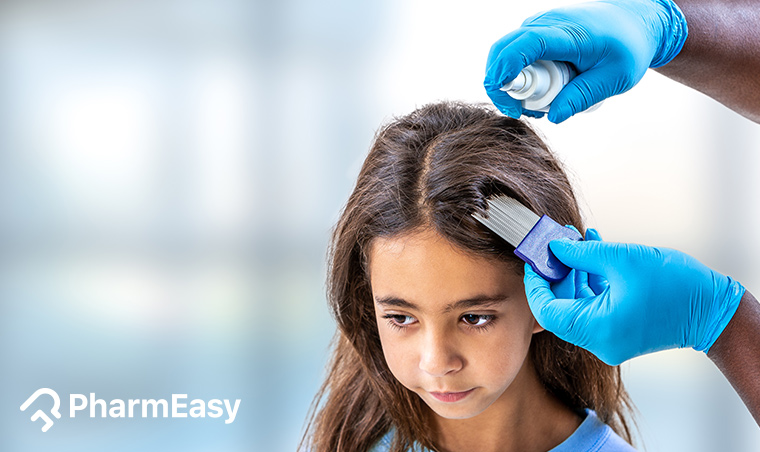
This is arguably the most endorsed non-chemical approach by healthcare practitioners. It entails meticulously drawing a fine-toothed comb through damp, conditioned hair to physically dislodge lice and nits. Begin by cleansing the hair with a standard shampoo and applying a liberal quantity of conditioner. This action renders the hair slippery, temporarily immobilizing the lice and simplifying the detangling and combing process. Employ a fine-toothed lice comb (often referred to as a nit comb) and section the hair into small portions.
Comb from the scalp down to the very tips of the hair strands, wiping the comb on a tissue after each pass to ascertain the presence of lice or nits. Reiterate this process across the entire head, section by section. This technique demands patience and should be performed at least every 2-3 days for a fortnight to guarantee the elimination of all lice and newly hatched immature forms. The World Health Organization (WHO) guidelines underscore mechanical extraction as a primary course of action.
Recovery is rarely linear.
2. Aromatic Oils (Diluted)
Certain aromatic oils exhibit insecticidal characteristics that may contribute to combating lice. Tea tree oil, lavender oil, and eucalyptus oil are frequently mentioned. However, it is imperative to use these oils with extreme caution and invariably in a diluted form. Never apply undiluted aromatic oils directly to the scalp, as they possess the potential to induce skin irritation or allergic responses. A customary practice involves incorporating a few drops (typically 5-10 drops per ounce) of the aromatic oil into a carrier oil, such as coconut oil or olive oil.
Alternatively, add a few drops to a shampoo or conditioner. Apply the mixture to the scalp and hair, allow it to remain for a designated duration (often 10-30 minutes, but adhere to specific product or oil recommendations), and then rinse thoroughly. Follow up with the wet-combing procedure. Keep in mind that scientific validation supporting the potency of aromatic oils for lice eradication is still evolving, and they should not supplant proven clinical treatments if the infestation is severe. A study published in the *Journal of Medical Entomology* indicated that certain aromatic oils demonstrated activity against lice, yet more robust clinical investigations are warranted.
3. Coconut Oil
Coconut oil frequently serves as a base for aromatic oils, but it can also be employed independently. Its dense consistency can assist in suffocating lice. Apply a generous quantity of coconut oil to the entire scalp and hair, ensuring complete coverage. You may leave it applied overnight, covering the head with a shower cap.
In the morning, comb out the lice and nits utilizing the wet-combing technique previously described. Cleanse the hair thoroughly with shampoo to remove the oil. Repeat this application several times over a period of one to two weeks. While coconut oil alone might not eliminate all lice, it can function as a beneficial adjunct to mechanical extraction.
It sounds simple. It rarely is.
4. Mayonnaise or Olive Oil (Smothering Approach)
Analogous to coconut oil, viscous substances such as mayonnaise or olive oil can be applied to the scalp and hair. The underlying principle is that their thickness smothers the lice. Apply a substantial layer, cover the head with a shower cap, and allow it to remain for a minimum of 8 hours or overnight.
Wash it out thoroughly the following morning and proceed with meticulous wet-combing. While anecdotal accounts support this approach, scientific substantiation for its capacity to eliminate lice is limited when contrasted with other treatments. Its primary utility lies in immobilizing lice, thereby facilitating their removal through combing.
5. Vinegar (Diluted)
Vinegar, specifically white vinegar or apple cider vinegar, is occasionally suggested. The acidic nature of vinegar is thought to aid in dissolving the adhesive substance that nits use to attach to the hair shaft, making them simpler to dislodge. Combine equal parts vinegar and water. After shampooing and rinsing, apply the diluted vinegar solution to the hair and scalp.
Permit it to sit for a few minutes before rinsing once more. then, employ the wet-combing procedure. Nevertheless, vinegar can be irritating to the scalp, particularly if any abrasions are present, so it should be used with prudence. It is generally regarded as more effective for assisting in the loosening of nits rather than for eradicating active lice.
The numbers don't lie.
Preventative Measures
Halting lice transmission is as vital as treating an existing infestation. What practical steps should be taken? Educate children on the significance of refraining from sharing personal belongings. This category includes hairbrushes, combs, headwear, scarves, and hair adornments.
Regularly inspect your child's hair, especially if reports of lice have surfaced within their school or playgroup environment. Keep long hair secured in a ponytail or braid, particularly in settings with high population density. Routine cleansing of combs and brushes used by family members can also contribute. While not a direct solution, sustaining a healthy scalp environment through adequate nutrition and personal cleanliness might indirectly bolster overall resilience.
When to Seek Professional Medical Assistance
Home-based remedies can prove beneficial for minor to moderate infestations, but at times, professional clinical intervention becomes necessary. If the itching is severe and persistent, or if you suspect a secondary infection (indicated by signs such as redness, swelling, or pus), consult a physician. Should home treatments and over-the-counter medications prove insufficient in eradicating the lice after several weeks of consistent application, a prescription-strength remedy might be requisite.
Dermatologists or pediatricians are capable of providing more potent medicated shampoos or lotions. The Indian Association of Dermatologists, Venereologists and Leprologists (IADVL) advocates for seeking expert guidance for persistent or severe instances. Remember, lice are a commonplace issue, and medical professionals are adept at assisting in their proven management.
Here's where it gets interesting.
The Indian Setting
In India, where communal seating arrangements are prevalent and children frequently engage in close-quarters play, lice transmission can occur with considerable frequency. During the monsoon season, the ambient humidity may create a more hospitable environment on the scalp for lice. Festivals often involve collective gatherings and the sharing of possessions, thereby elevating the risk of dissemination.
Understanding these cultural nuances aids in tailoring preventative and management strategies. For instance, promoting regular hair inspections during the monsoon period or reminding children about the importance of not sharing accessories during festive occasions can be particularly pertinent.
Crucial Takeaways
- Wet-combing stands out as a highly beneficial mechanical technique for lice removal, endorsed by health organizations such as the WHO.
- Aromatic oils and oils like coconut oil can be employed, but always in a diluted form and with careful consideration, given that scientific proof of their standalone effectiveness is limited.
- Vinegar might assist in loosening nits but carries the potential to irritate the scalp; use it judiciously.
- Prevention remains paramount: avoid sharing personal items like combs and headwear.
- Seek clinical counsel for intense itching, indicators of infection, or persistent infestations that do not respond to home-based therapies.
Always consult a qualified medical practitioner before making any health-related decisions.