Timeless Solutions for Silver Strands: A Medical Viewpoint
Meena, 45, a homemaker from Jaipur, observed a marked increase in silver strands during the last monsoon season. Initially attributing it to daily pressures, she soon recognized it as a persistent shift. This situation is quite common for many women in India, who often look for traditional, time-tested answers to address early hair lightening.
While ancestry plays a role, life choices and dietary gaps can hasten this process. Fortunately, India's abundant natural resources offer several beneficial household solutions.
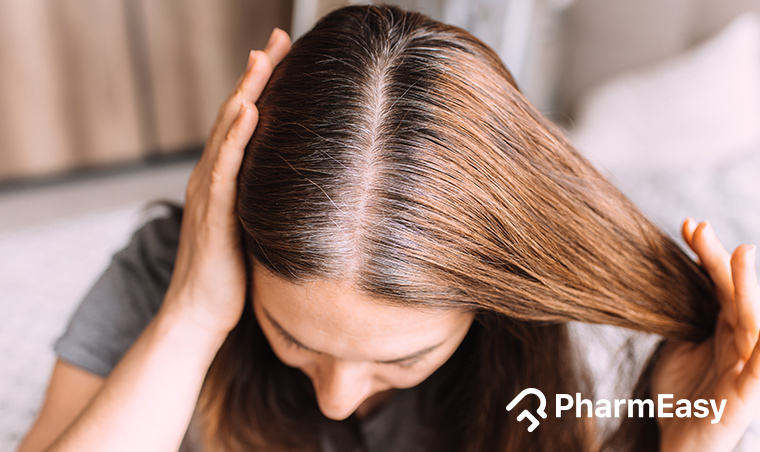
What many overlook: the connection between overall well-being and hair vitality is profound. Silver hair, medically known as canities, occurs when pigment-producing cells (melanocytes) within the hair follicles gradually cease their function. This decline is frequently associated with a reduction in melanin, the pigment responsible for hair's colour.
Factors contributing to this can include environmental damage, certain medical issues (such as thyroid irregularities or autoimmune conditions), and vitamin shortfalls, particularly B12, copper, and iron. Over 101 million people in India have diabetes (ICMR, 2023), a condition often linked with accelerated ageing, including hair lightening. Early onset of silver hair before the age of 25 affects approximately 25% of the population in India, and up to 60% by age 40, according to some studies.
Understanding Early Hair Lightening
Early hair lightening refers to the appearance of white or silver hair at an age earlier than typical. For individuals in India, this usually means before 25-30 years of age. Several elements can contribute to this phenomenon:
The numbers don't lie.
Genetic Predisposition
If your parents or grandparents experienced early lightening, you are more likely to do so as well. Your genetic makeup dictates the timing of melanin production decline.
Nutritional Deficiencies
A diet lacking essential vitamins and minerals is a frequent cause. Copper deficiency, for example, impairs melanin synthesis. Vitamin B12 deficiency can lead to pernicious anaemia, which is sometimes linked to early lightening. Iron deficiency anaemia also impacts hair vitality.
Stress and Lifestyle
Persistent tension can lead to increased cortisol levels, which may negatively affect melanocyte stem cells. Smoking and excessive alcohol consumption are also associated with faster lightening.
The WHO estimates that air pollution in Indian cities is among the worst globally, and this environmental irritant can also contribute to damage affecting hair follicles.
Medical Conditions
Certain physical issues, including thyroid irregularities (hypothyroidism or hyperthyroidism), autoimmune disorders (like vitiligo or alopecia areata), and specific rare genetic syndromes, can trigger early lightening.
Effective Household Solutions Rooted in Indian Tradition
Drawing from centuries of Ayurvedic knowledge and traditional practices, several organic ingredients can help manage and potentially restore colour, especially when linked to lifestyle or nutritional factors.
Amla (Indian Gooseberry)
Amla is a rich source of Vitamin C and antioxidants. Its consistent application is thought to strengthen hair follicles and encourage melanin production.
- How to use: Boil dried amla pieces in coconut oil until the oil takes on a dark brown hue. Strain and apply this oil to your scalp regularly. Alternatively, combine amla powder with water or yoghurt to create a paste and use it as a hair mask for 30-45 minutes before washing. This method is widely practiced across India, particularly during celebratory periods when hair care is often a priority.
Curry Leaves (Kadi Patta)
Curry leaves are packed with vitamins and minerals that nourish hair. They are believed to boost melanin production and prevent the degradation of hair pigment.
- How to use: Simmer a handful of fresh curry leaves in coconut oil or sesame oil until they become brittle. Allow it to cool, then strain the oil and apply it to your scalp. You can also blend curry leaves with yoghurt or buttermilk to form a hair pack. Many households in India use curry leaves daily in their cooking, and extending their use to hair care is a logical progression.
Black Tea (Chai)
The tannins present in black tea can assist impart a darker tone to hair organically and add shine. It also functions as a mild stimulant for hair growth. The IDF (International Diabetes Federation) points out that managing overall metabolic well-being, including blood sugar levels, can indirectly benefit hair vitality.
Here's where it gets interesting.
- How to use: Brew strong black tea (use 2-3 tea bags or tablespoons of loose tea in 2 cups of water). Let it cool completely. After shampooing and rinsing your hair, use the black tea as a final rinse. Leave it on for approximately 15-20 minutes before rinsing with cool water. Avoid using shampoo immediately afterward.
Bhringraj (Eclipta Alba)
Often referred to as the 'king of herbs' for hair care in Ayurveda, Bhringraj is celebrated for its ability to promote hair growth and restore its original colour. It is thought to effectively counteract early lightening.
- How to use: Bhringraj oil is readily available. Massage this oil into your scalp daily or several times a week. You can also prepare a paste from Bhringraj powder and water or milk and apply it as a mask.
Hibiscus (Gudhal)
Both the flowers and leaves of the hibiscus plant are beneficial for hair. They are abundant in Vitamin C and amino acids, which aid in stimulating hair growth and darkening hair.
- How to use: Grind hibiscus flowers and leaves into a paste. Mix with coconut oil or yoghurt and apply to the hair and scalp. Leave it on for about an hour before rinsing thoroughly. This is a prevalent practice in many homes in India, particularly during warmer periods.
Onion Juice
Onion juice is rich in sulphur, which is believed to enhance collagen production and aid in hair regrowth. It may also assist restore pigment. While the aroma can be strong, its benefits are substantial.
- How to use: Blend a few onions and extract the juice. Apply this juice directly to your scalp using a cotton ball. Leave it on for 30 minutes to an hour, then wash off with a mild shampoo. A study published in The Lancet highlighted the role of sulphur compounds in skin and hair vitality.
Sesame Seeds (Til)
Black sesame seeds are particularly rich in minerals like calcium and magnesium, which are vital for hair vitality. They are also thought to assist in restoring hair's original colour.
- How to use: Consuming a tablespoon of black sesame seeds daily can be advantageous. You can also create a hair oil by gently warming black sesame seeds in coconut oil, straining, and using it for scalp massages.
Dietary Adjustments for Hair Vitality
Lightening is frequently an internal issue manifesting externally. Therefore, dietary modifications are as critical as topical applications. A balanced diet rich in antioxidants, vitamins, and minerals is paramount.
Key Nutrients to Focus On:
- Antioxidants: Found in berries, leafy greens, and colourful vegetables, they combat environmental damage.
- Vitamin B12: Crucial for red blood cell formation and hair pigment. Sources include dairy products, eggs, and fortified cereals. Those following vegetarian diets might require supplements or fortified foods.
- Copper: Essential for melanin production. Found in nuts, seeds, whole grains, and dark chocolate.
- Iron: Prevents anaemia, a widespread cause of hair issues. Good sources are spinach, lentils (dal), and red meat.
- Zinc: Supports hair tissue growth and repair. Found in pumpkin seeds, chickpeas, and cashews.
Here's the reality: Many traditional diets are naturally abundant in these nutrients, especially if they incorporate plenty of lentils, vegetables, nuts, and seeds. However, processed foods and restrictive diets can lead to deficiencies.
That's the part worth remembering.
Practicing mindful eating, perhaps inspired by traditional thalis that offer a balanced combination of carbohydrates, proteins, fats, and micronutrients, can make a difference. Even during celebratory periods, like Diwali, where sweets and fried foods are prevalent, ensuring a balance with fresh fruits and vegetables is essential.
Lifestyle Modifications
Beyond diet and topical solutions, certain lifestyle changes can significantly influence the pace of lightening.
Stress Management
Practicing yoga, meditation, or deep breathing exercises can support manage tension. Spending time outdoors or engaging in hobbies also contributes to mental well-being.
Adequate Sleep
Aim for 7-8 hours of quality sleep each night. Sleep is when the body performs repair and regeneration processes.
Avoid Smoking and Limit Alcohol
These habits accelerate ageing and environmental damage, negatively impacting hair vitality. The WHO has consistently underscored the detrimental effects of smoking on overall physical concern.
Hair Care Practices
Avoid harsh chemical treatments, excessive heat styling, and tight hairstyles that can damage hair follicles. Using mild, organic shampoos and conditioners is recommended.
So what does that mean for you? It means that while you cannot halt the inherent ageing process, you can certainly influence the speed at which your hair lightens by adopting a holistic approach.
Does this sound familiar? Many individuals I encounter are seeking quick fixes, but lasting hair vitality requires persistent effort and a focus on internal equilibrium.
Worth knowing: While these organic solutions are generally safe and powerful for many, individual outcomes can differ. Factors like the underlying reason for lightening, hair type, and regularity of application play a significant role.
For instance, if lightening is purely genetic, topical solutions might only offer temporary darkening or improved hair texture, rather than reversal. However, if it stems from nutritional deficits or tension, these methods can be quite impactful.
Practically speaking, integrating these solutions doesn't demand drastic alterations. Begin with one or two that appeal to you. Perhaps try the amla-coconut oil massage or the black tea rinse.
Consistency is key – aim to use your chosen solution at least 2-3 times a week for a noticeable improvement over a few months. Remember, healthy hair growth cycles take time, typically 2-3 months to show visible changes.
This is where most patients struggle.
When to Seek Professional Advice
While household solutions can be beneficial, it's essential to consult a healthcare professional if you experience sudden, widespread lightening, or if lightening is accompanied by other symptoms like fatigue, hair loss, or changes in skin or nails. These could signal an underlying physical concern that requires diagnosis and treatment.
Doctors at institutions like AIIMS frequently see individuals presenting with such signs and can provide accurate diagnoses.
Key Takeaways
- Early hair lightening can be influenced by ancestry, nutrition, tension, and physical conditions.
- Organic solutions like Amla, curry leaves, and Bhringraj have been traditionally utilized in India to manage silver hair.
- A diet rich in antioxidants, Vitamin B12, copper, and iron is crucial for maintaining hair pigment.
- Lifestyle changes including tension management and avoiding smoking are vital for hair vitality.
- Consult a doctor if lightening is sudden or accompanied by other physical concerns.
Always consult a qualified physician before making any medical decisions.