Unlock Silky Hair: Time-Tested Home Remedies
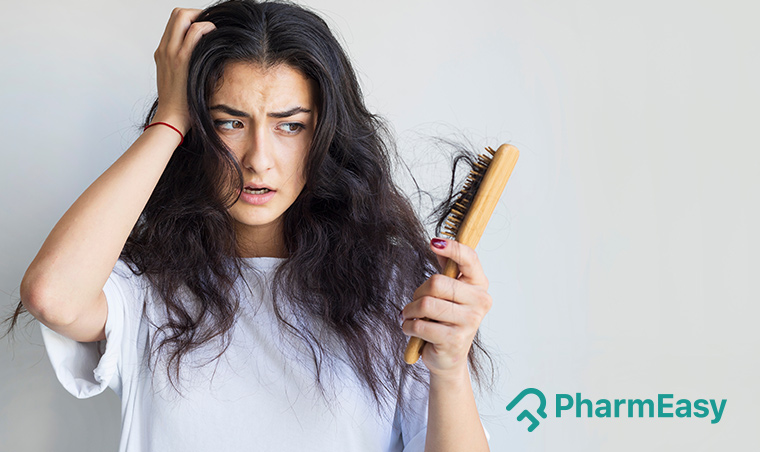
Meena, 45, a homemaker from Jaipur, noticed her once thick, lustrous hair becoming dry and brittle, especially after the monsoon season. She worried about hair fall, a common concern amplified by dietary changes and stress. Like many women from the subcontinent, Meena sought readily available, simple solutions.
The reality is, achieving silky, manageable hair doesn't always require expensive salon treatments. The region's rich heritage offers a treasure trove of home remedies, deeply rooted in traditional practices and readily available kitchen ingredients.
Practically speaking, consistent care is key. Over 60% of women in the subcontinent report experiencing hair thinning or hair fall at some point in their lives, according to a survey by the National Hair Research Society.
This statistic highlights the widespread need for effective, yet gentle, hair care solutions. What most people miss: the power lies in understanding your hair type and using ingredients that nourish from the root to the tip.
It sounds simple. It rarely is.
The Science Behind Silky Hair
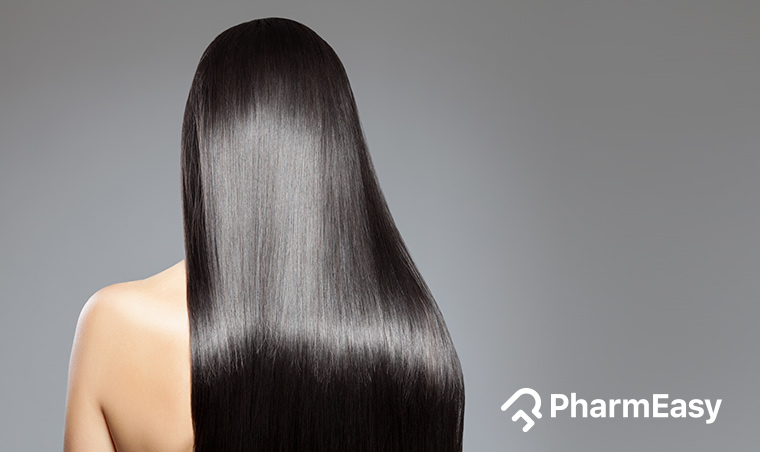
Silky hair is characterized by smooth cuticles – the outer protective layer of the hair shaft. When cuticles are flat and intact, light reflects evenly, giving hair a natural shine. Damage, dryness, and harsh chemical treatments cause cuticles to lift, leading to frizz, dullness, and breakage.
Have you ever wondered why? Environmental factors, nutritional deficiencies, and improper hair care routines can all compromise your hair's condition.
A balanced diet is fundamental. Nutrients like biotin, vitamins A, C, D, and E, along with minerals such as iron and zinc, play crucial roles in hair's well-being. For instance, iron deficiency anemia is a leading cause of hair loss, affecting an estimated 20% of women of reproductive age in the subcontinent (AIIMS study).
Ensuring adequate protein intake is also vital, as hair is primarily made of keratin, a protein. 8 grams per kilogram of body weight, a guideline many in the subcontinent struggle to meet due to dietary habits.
Kitchen Staples for Lustrous Locks
Your kitchen pantry might be hiding the secret to your dream hair. These ingredients are not only proven but also incredibly cost-efficient and free from harsh chemicals often found in commercial products.
That's the part worth remembering.
Many of these remedies have been passed down through generations, proving their efficacy over time. For example, during festivals like Diwali, traditional sweets and rich foods are typical, sometimes leading to imbalances that can affect hair's concern, making these home remedies even more relevant.
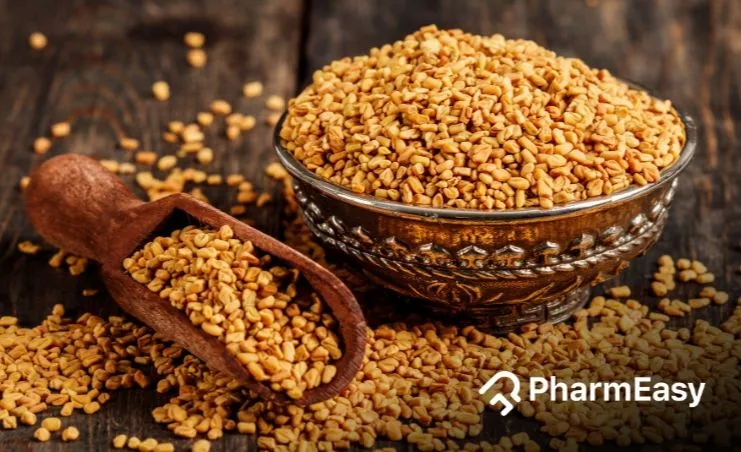
1. Fenugreek (Methi) Seeds: The All-Rounder
Fenugreek seeds are a powerhouse of nutrients, including protein and nicotinic acid, known to strengthen hair shafts and promote growth. They also contain lecithin, which acts as a mild emollient, softening hair and making it manageable.
The anti-fungal and anti-inflammatory properties can help combat scalp issues like dandruff, a persistent problem for many. A study published in the *Journal of Ethnopharmacology* noted fenugreek's potential in reducing hair loss.
How to use: Soak 2-3 tablespoons of fenugreek seeds in liquid overnight. Grind them into a fine paste in the morning. Apply this paste generously to your scalp and hair, covering the roots and strands. Leave it on for about 30-45 minutes before rinsing with lukewarm liquid. For best results, use this mask twice a week. Honestly, the transformation in hair texture can be quite remarkable after a few uses.
2. The Elixir of the Tropics
This tropical oil is revered in the subcontinent for its ability to penetrate the hair shaft, reducing protein loss and preventing damage. Its lauric acid content makes it highly compatible with the hair's natural structure.
Recovery is rarely linear.
Regular oiling not only moisturizes but also protects hair from environmental stressors and heat styling. In coastal regions of the subcontinent, this oil is a daily staple for hair care, contributing to the naturally vibrant hair seen there.
How to use: Gently warm some pure oil (avoid overheating). Massage it thoroughly into your scalp using your fingertips, focusing on the roots. Work the oil down to the tips of your hair. Cover your hair with a warm towel or shower cap and leave it on for at least an hour, or preferably overnight. Wash off with a mild shampoo. Aim to do this at least once or twice a week. What should you actually do? Incorporate this into your weekly routine, perhaps on a weekend, for maximum benefit.
3. Yogurt (Dahi) and Honey Mask: For Shine and Softness
Yogurt, rich in lactic acid, acts as a gentle cleanser and conditioner, helping to remove dead skin cells from the scalp and leaving hair soft. Honey is a mild humectant, meaning it attracts and retains moisture, making hair appear shinier and more hydrated.
The combination creates a potent mask that tackles dryness and dullness effectively. This mask is particularly beneficial during the dry winter months in North India.
How to use: Mix 2 tablespoons of plain yogurt with 1 tablespoon of honey. You can also add a teaspoon of olive oil or almond oil for extra nourishment. Apply the mixture evenly to damp hair, from roots to ends. Let it sit for 20-30 minutes. Rinse thoroughly with cool liquid and follow with a mild shampoo if needed. This mask can be used weekly.
4. Amla (Gooseberry): The Vitamin C Powerhouse
Amla is a traditional Ayurvedic ingredient packed with Vitamin C, antioxidants, and minerals. It strengthens hair follicles, stimulates growth, and helps prevent premature graying.
Its astringent properties can also benefit manage oiliness and cleanse the scalp effectively. The National Medical Research Council has highlighted the immense benefits of amla, including its role in boosting immunity and hair's concern.
How to use: You can use amla in various forms. Make a paste from dried amla powder and liquid, apply it to your scalp and hair, leave for 30 minutes, and rinse. Alternatively, boil dried amla in oil, strain the oil, and use it as a hair tonic. Regular consumption of fresh amla juice is also highly beneficial. Approximately 70% of people in the subcontinent consume amla in some form for its advantages, underscoring its cultural significance.
5. Curry Leaves: For Strength and Shine
Curry leaves are rich in antioxidants, vitamins, and minerals that nourish the hair and scalp. They are particularly reliable in strengthening hair and preventing breakage.
The compounds in curry leaves can also benefit stimulate hair growth and add a natural shine. Many households in the subcontinent religiously add curry leaves to their cooking, and their benefits extend to topical hair care.
That's the part worth remembering.
How to use: Boil a handful of fresh curry leaves in oil or sesame oil until the leaves turn black. Strain the oil and let it cool. Massage this infused oil into your scalp regularly. You can also make a paste of fresh curry leaves with a little liquid or yogurt and apply it as a hair mask for 20 minutes before washing. Have you ever wondered why traditional cooking often uses these potent herbs? Their benefits are multi-dimensional.
Advanced Techniques for Silky Hair
Beyond simple masks, incorporating specific techniques can significantly enhance hair texture and concern. These methods, often overlooked, can make a substantial difference in achieving that coveted silky smoothness. Remember, consistency is more important than intensity.
1. Scalp Massage: Stimulating Blood Circulation
A gentle scalp massage, especially when using warm oils, boosts blood circulation to the hair follicles. This improved circulation ensures that nutrients reach the roots more effectively, promoting healthier and faster hair growth. It also helps in relaxing the mind, reducing stress which is a major contributor to hair loss.
Studies suggest regular scalp massage can increase hair thickness. It's a simple yet profound practice.
How to do it: Use your fingertips (not nails) to apply gentle, circular pressure all over your scalp for 5-10 minutes daily. You can do this on dry hair or while applying oil. Focus on areas where you feel thinning the most.
2. The Importance of Hair Oiling (Champi)
Hair oiling, or 'Champi,' is a deeply ingrained practice in the subcontinent's culture. It's not just about applying oil; it's a ritual of self-care. Regular oiling conditions the hair, prevents split ends, and protects the hair shaft from environmental damage.
*The Lancet* published a review on traditional practices from the subcontinent highlighting the benefits of regular oil massage for hair's issue. Over 85% of women in the subcontinent continue this practice, albeit with varying frequencies.
That's the part worth remembering.
How to do it: Choose a suitable oil – coconut, almond, or amla oil are excellent choices. Warm it slightly and apply it to your scalp and hair. Massage gently. Leave it on for at least an hour or overnight before washing. Aim for at least once a week.
3. Cold Liquid Rinse: Sealing the Cuticles
After washing your hair, finishing with a rinse of cold liquid can work wonders. Cold liquid helps to flatten and seal the hair cuticles. This process locks in moisture, reduces frizz, and makes hair appear smoother and shinier.
While it might feel uncomfortable, especially during colder months, the benefits are undeniable. It’s a simple step that requires minimal effort but yields significant results.
How to do it: After shampooing and conditioning, pour a jug of cold liquid over your hair, focusing on the lengths and ends. Gently towel dry your hair afterwards, avoiding rough rubbing.
Nutrition and Lifestyle Factors
While external remedies are crucial, internal situation plays an equally crucial role. What you eat and how you live directly impacts your hair's vitality. A balanced diet rich in vitamins, minerals, and protein is non-negotiable.
Protein deficiency can lead to brittle hair, while lack of iron can cause major hair loss. The International Diabetes Federation (IDF) notes that diabetes can also impact hair's concern through its effects on circulation and nutrient absorption.
Adequate hydration is also essential. Dehydration can manifest as dry, lifeless hair. Aim to drink at least 8-10 glasses of liquid daily.
Stress management techniques like yoga, meditation, or even simple deep breathing exercises can prevent stress-induced hair loss. A study by the National Institute of Mental Health and Neurosciences (NIMHANS) indicates a strong correlation between chronic stress and hair loss in adults.
Here's where it gets interesting.
Remember Meena? By incorporating a weekly fenugreek mask, regular oil champi, and ensuring she drank enough liquid, her hair gradually regained its softness and shine. The key was patience and consistency. Her journey is a testament to the effectiveness of these traditional remedies from the subcontinent when applied diligently.
Key Takeaways
- Fenugreek seeds, oil, yogurt, amla, and curry leaves are potent ingredients for silky hair.
- Regular scalp massage and hair oiling (champi) stimulate growth and improve hair's disorder.
- A cold liquid rinse after washing helps seal hair cuticles, reducing frizz and adding shine.
- Internal factors like a balanced diet rich in protein and vitamins, adequate hydration, and stress management are crucial for hair vitality.
- Over 60% of women in the subcontinent experience hair thinning or fall, making these remedies highly relevant.
Always consult a qualified physician before making any medical decisions.