

Emergency & Help
24/7 Emergency & General Advisory
🚨 24/7 Medical Emergency
Non-Emergency Advisory
10:00 AM – 6:00 PM, Mon–Sat
For appointments & general queries.
24/7 Emergency & General Advisory
🚨 24/7 Medical Emergency
Non-Emergency Advisory
10:00 AM – 6:00 PM, Mon–Sat
For appointments & general queries.
Discover how to find the best eye doctor in Lohardaga for comprehensive eye care, from routine check-ups to specialized treatments.
Your vision is a precious gift, and finding the right eye doctor is crucial for maintaining its health. In Lohardaga, a growing district in Jharkhand, accessing top-tier eye care is becoming increasingly important.
We often see people struggling to identify the best specialists amidst numerous options. This guide aims to simplify that process, helping you locate a skilled ophthalmologist or optometrist who can provide reliable care for all your visual concerns.
The search for an eye specialist involves more than just proximity. You need a professional with the right qualifications, experience, and a commitment to patient well-being.
Whether you need a routine eye examination, treatment for a specific eye condition, or surgical intervention, the expertise of your eye doctor directly impacts the outcome. India, with its expanding healthcare infrastructure, offers many excellent choices, and Lohardaga is no exception.
Before diving into finding a doctor, it's vital to understand the roles of different eye care providers:
Ophthalmologists are medical doctors (MDs or DOs) who specialize in eye and vision care. They are trained to perform eye exams, diagnose and treat all eye diseases, prescribe medications, and perform eye surgery.
Most people overlook this completely.
Many ophthalmologists also sub-specialize in areas like retina, cornea, or pediatric ophthalmology. They can manage complex eye conditions such as glaucoma, macular degeneration, and diabetic retinopathy.
Optometrists (ODs) are specialists of optometry. They provide primary vision care, including eye exams, vision testing, and prescribing corrective lenses (glasses and contact lenses).
While they can diagnose and treat many common eye problems, they typically do not perform surgery. Optometrists often work closely with ophthalmologists, referring patients for surgical procedures or complex medical management.
Opticians are technicians who craft and fit eyeglass lenses and frames, as well as contact lenses, based on prescriptions from ophthalmologists or optometrists. They do not perform eye exams or diagnose eye conditions.
In Lohardaga, you will find clinics and hospitals staffed by a combination of these professionals, ensuring a spectrum of eye care services are available.
Selecting the right eye doctor involves considering several vital factors. Don't rush this decision; your eye health is too key. Here’s what to look for:
Verify the doctor's educational background and certifications. A qualified ophthalmologist will have completed medical school, an internship, and an ophthalmology residency.
Look for board certification, which indicates they have met rigorous standards. For optometrists, ensure they hold a Doctor of Optometry (OD) degree from an accredited institution.
Consider the doctor's experience, particularly with your specific eye disorder or needs. If you have cataracts, a history of glaucoma, or require specialized contact lens fittings, seek a doctor with proven expertise in these areas. For instance, a doctor who performs a high volume of cataract surgeries might offer better outcomes.
And yet, so many people miss it.
Modern eye care relies heavily on advanced diagnostic and management technologies. A good eye clinic in Lohardaga should be equipped with state-of-the-art equipment for eye exams, imaging (like OCT scans for retinal health), and laser treatments. Advanced technology enables more accurate diagnoses and less invasive procedures.
Online reviews and patient testimonials can offer valuable insights into a doctor's bedside manner, the clinic's efficiency, and overall patient satisfaction. While not the sole deciding factor, a consistently positive reputation is a strong indicator of quality care. Check platforms like Google Reviews or local healthcare directories.
appreciate the insurance plans accepted by the clinic and the potential out-of-pocket costs for consultations, procedures, and treatments. Clarity on billing practices avoids unexpected financial burdens.
Many widespread eye issues can be managed effectively with timely intervention. Living with blurry vision or discomfort is genuinely hard. Here are some conditions where seeking expert care from an eye doctor in Lohardaga is vital:
Here's where it gets interesting.
This includes myopia (nearsightedness), hyperopia (farsightedness), and astigmatism. These are the most typical vision problems, affecting millions.
India has a significant population experiencing refractive errors, requiring regular eye check-ups for updated prescriptions. An optometrist or ophthalmologist can diagnose these and prescribe corrective lenses or discuss options like LASIK surgery.
A cataract is a clouding of the eye's natural lens, leading to blurred vision. It's a leading cause of visual impairment globally, particularly among older adults. According to the World Health Organization (WHO), cataracts are responsible for 51% of world blindness.
Early detection is key. If you experience cloudy vision, difficulty seeing at night, or glare from lights, consult an ophthalmologist promptly for evaluation and potential surgery. Many successful cataract surgeries are performed annually in India, restoring vision for countless individuals.
Glaucoma is a group of eye diseases that damage the optic nerve, often caused by abnormally high pressure in your eye. It can lead to irreversible vision loss and blindness if not treated. WHO estimates that glaucoma affects over 60 million people worldwide.
And yet, so many people miss it.
Regular eye exams are crucial, as glaucoma often has no early symptoms. Early diagnosis and therapy, including medication or laser therapy, can help manage the disorder and preserve vision. 2 million people.
This is a complication of diabetes that affects the eyes. It's caused by damage to the blood vessels of the light-sensitive tissue at the back of the eye (retina). Diabetic retinopathy is a leading cause of blindness among working-age adults in India.
The Indian Council of Medical Research (ICMR) highlights the growing burden of diabetes, making regular eye screenings for diabetic those affected imperative. If you have diabetes, schedule an annual dilated eye exam with an ophthalmologist. Early detection and intervention can prevent marked vision loss.
Characterized by insufficient lubrication of the eyes, dry eye can cause discomfort, irritation, and blurred vision. Environmental factors, prolonged screen time, and certain medications can contribute.
The numbers don't lie.
In many cases, simple treatments like artificial tears or lifestyle changes can provide relief. However, persistent or severe dry eye warrants a visit to an eye specialist.
To make the most of your visit to an eye doctor in Lohardaga, preparation is key. This ensures the physician has all necessary information for an accurate assessment.
In real-world terms, being prepared helps streamline the appointment, allowing for a more focused and productive discussion with your eye care provider.
A comprehensive eye exam is more than just a vision test. It's a thorough evaluation of your eye health. What's the bottom line here? It helps detect potential problems before they affect your sight.
The exam typically includes:
Worth knowing: Some of these tests might be repeated periodically based on your age and risk factors.
The field of ophthalmology is constantly evolving. Advanced treatments are increasingly accessible, even in districts like Lohardaga.
Modern cataract surgery involves small incisions and often uses phacoemulsification, a technique that breaks up the clouded lens with ultrasound. Intraocular lenses (IOLs) are implanted to restore vision.
Options include monofocal, multifocal, and toric IOLs, which can correct distance vision, near vision, and astigmatism simultaneously. This approach leads to faster recovery times and improved visual outcomes.
Procedures like LASIK (Laser-Assisted In Situ Keratomileusis) and PRK (Photorefractive Keratectomy) offer permanent solutions for refractive errors. These surgeries reshape the cornea using precise laser technology. While not available everywhere, inquiring at larger eye centers in or near Lohardaga might yield options.
For conditions like diabetic retinopathy and age-related macular degeneration (AMD), treatments such as anti-VEGF injections and laser photocoagulation are available. These therapies enable slow disease progression and preserve vision.
That alone changes everything.
AIIMS (All India Institute of Medical Sciences) has been at the forefront of developing and disseminating such advanced retinal care protocols.
Many eye diseases develop gradually and without noticeable indicators in their early stages. The reality is, waiting until vision changes occur might mean the concern has progressed significantly. Regular eye check-ups are your best defense against vision loss.
For adults without specific possibility factors, a baseline eye exam around age 40 is recommended, followed by exams every 1-2 years. Individuals with diabetes, a family history of eye disease, or those taking certain medications may need more frequent visits, often annually or even biannually.
So what does that mean for you? It means proactively safeguarding your sight through consistent professional care. Don't let routine visits slide; they are vital for long-term eye health.
When searching for the best eye doctor in Lohardaga, consider these practical steps:
Remember, the goal is to find a trusted partner in maintaining your vision throughout your life.
Always consult a qualified physician before making medical decisions.
Yes, in many cases, you can wear contact lenses even with dry eyes. Your eye doctor can recommend specific types of lenses, such as daily disposable lenses or those made from moisture-retaining materials. They might also suggest lubricating eye drops to use with your contacts.
If you have diabetes, it's recommended to have a comprehensive dilated eye exam at least once a year. Some individuals may need more frequent check-ups depending on the severity of their diabetes and any signs of diabetic retinopathy. Early detection is vital to prevent vision loss.
It sounds simple. It rarely is.
The first signs of cataracts often include cloudy or blurry vision, increased sensitivity to light and glare, difficulty seeing at night, and the need for brighter light for reading. Colors may also appear faded or yellowish. These signs usually develop gradually, and many people don't notice them initially.
Yes, an optometrist can diagnose glaucoma as part of a comprehensive eye exam. They use various tests, including measuring intraocular pressure (tonometry) and examining the optic nerve.
If glaucoma is suspected or diagnosed, they will typically refer you to an ophthalmologist for further management and therapy, especially if surgery is considered.
Visit Hospital
Near You
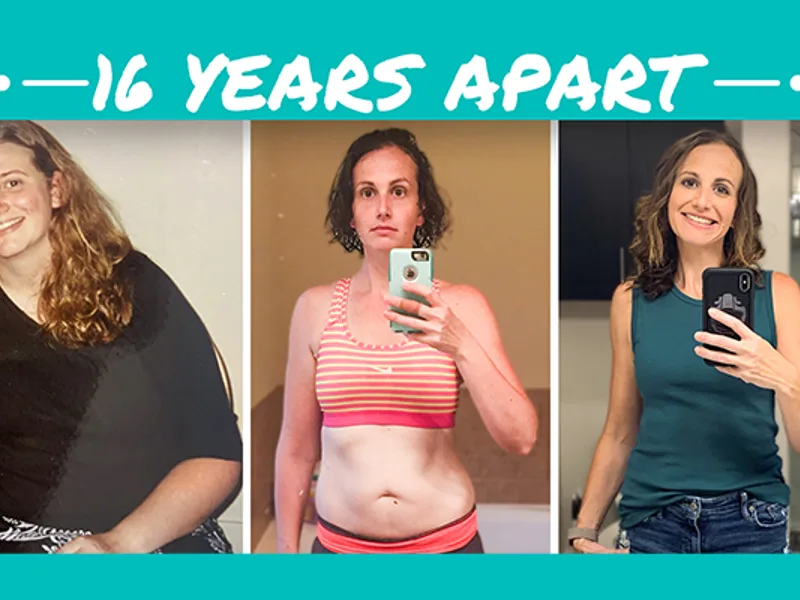
Does intermittent fasting weight loss actually last? A 2026 one-year follow-up study says yes — people who did just 12 weeks of time-restricted eating kept more weight off a full year later than those who got standard diet advice alone. But a separate Cochrane review of nearly 2,000 adults found int
July 23, 2026

A study of nearly 13,000 Brazilian adults found that people who consumed the most artificial sweeteners had noticeably faster memory and thinking decline over eight years than those who consumed the least. The effect was strongest in adults under 60 and in people with diabetes. Researchers stress th
July 23, 2026
Discover how to find a top nephrologist in Alipurduar. Expert advice on kidney care and choosing the right specialist for your health.
May 20, 2026