

Emergency & Help
24/7 Emergency & General Advisory
🚨 24/7 Medical Emergency
Non-Emergency Advisory
10:00 AM – 6:00 PM, Mon–Sat
For appointments & general queries.
24/7 Emergency & General Advisory
🚨 24/7 Medical Emergency
Non-Emergency Advisory
10:00 AM – 6:00 PM, Mon–Sat
For appointments & general queries.
Mastering blood sugar in Araria. Learn vital tips for diabetes management, diet, exercise, and specialist care from AIIMS-trained experts.
Maintaining healthy blood sugar levels is crucial for overall well-being, especially for individuals managing diabetes. In Araria, like elsewhere in India, diabetes prevalence is a growing concern.
Understanding how to effectively control your blood glucose is the cornerstone of preventing serious health complications. This guide, drawing from expert insights and established clinical guidelines, aims to empower you with the knowledge needed for robust blood sugar management right here in our community.
We often see that the journey to stable blood sugar can feel overwhelming. Honestly, living with diabetes requires consistent effort and informed choices. The good news is that with the right approach, it's entirely manageable. This information is designed to be your reliable companion.
High blood glucose, medically termed hyperglycemia, can damage blood vessels and nerves over time. This damage affects vital organs like the heart, kidneys, eyes, and feet. Consistent control prevents or delays these severe outcomes. You'll notice that consistent monitoring and adherence to a care plan are key.
What's the bottom line here? Preventing long-term complications is the primary goal. It allows individuals to lead fuller, healthier lives without the constant threat of disease progression.
Nutrition plays a vital role. What you eat directly impacts your blood glucose levels. A balanced diet, tailored to individual needs, is essential.
In many cases, consulting a registered dietitian or a nutritionist is highly recommended. They can create a personalized meal plan considering your specific dietary habits and preferences in Araria.
Regular exercise is a powerful tool. Physical activity helps your body use insulin more effectively, lowering blood glucose levels. It also strengthens your heart and improves overall fitness.
Have you ever wondered why? Movement allows your muscles to absorb glucose from the bloodstream for energy, directly reducing your sugar levels.
For many, diet and exercise alone aren't enough. Physicians often prescribe medications to aid manage blood sugar. These can include oral medications or insulin injections.
You'll notice that adherence to the prescribed medication schedule is non-negotiable for optimal results.
Access to qualified healthcare professionals is paramount. In Araria, several physicians and specialists can assist you.
Institutions like AIIMS (All India Institute of Medical Sciences) set standards for diabetes care across India. While direct access might be limited in smaller towns, the principles of care they advocate are universally applicable.
It sounds simple. It rarely is.
In Araria, seeking care from local clinics and hospitals ensures you receive timely medical attention. Remember to discuss your concerns openly with your doctor.
Uncontrolled diabetes can lead to several serious health issues. Awareness and proactive management can prevent them.
In real-world terms, consistent monitoring and adherence to medical advice are your best defence against these complications. Early detection and intervention are key.
Integrating healthy habits into daily life is key. Consider these adjustments:
Living with diabetes is genuinely hard, but small, consistent changes can lead to major improvements over time. We have seen remarkable transformations in people who embrace these lifestyle modifications.
Technology offers powerful tools for managing diabetes. Continuous Glucose Monitors (CGMs) provide real-time glucose readings. Smart insulin pens and apps can aid track doses and patterns. These innovations, increasingly accessible, can greatly assist individuals in Araria in staying on top of their health.
Effective blood sugar control in Araria is an ongoing journey that requires a proactive, informed approach. By focusing on a balanced diet, regular physical activity, diligent monitoring, and regular consultations with healthcare providers, you can significantly enhance your quality of life and prevent long-term complications.
Remember, you are not alone in this. Support systems and medical expertise are available to assist you navigate this path successfully.
Always consult a qualified physician before making medical decisions.
Yes, you can eat rice, but portion control is crucial. Opt for brown or unpolished rice, which has more fiber and a lower glycemic index than white rice. Monitor your blood sugar levels after eating rice to recognise its impact on you personally.
That's the part worth remembering.
The frequency depends on your therapy plan. If you're on insulin, checking before meals and at bedtime is usual. For those on oral medications or diet alone, checking a few times a week, or as advised by your doctor, might suffice. Your physician will provide a specific monitoring schedule tailored to your needs.
Generally, it's advisable to avoid strenuous exercise if your blood sugar is very high (above 250 mg/dL) and ketones are present in your urine, as this can worsen hyperglycemia. For moderately high levels, light to moderate exercise might support lower it. Always consult your doctor for guidance on exercising with diabetes.
The earliest indicators of diabetic neuropathy often include tingling, numbness, or a burning sensation, typically starting in the feet or hands. You might also experience increased sensitivity to touch or a loss of balance. Prompt medical attention is vital if you notice these signs.
Visit Hospital
Near You
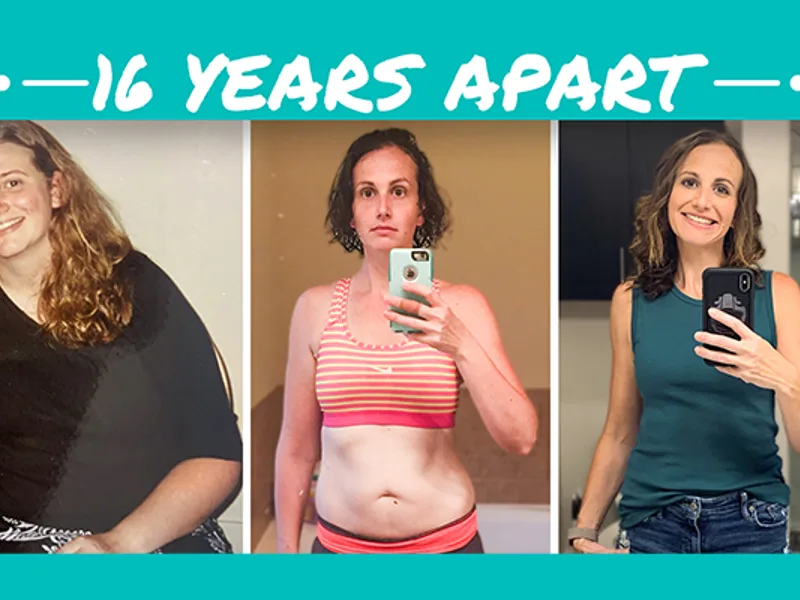
Does intermittent fasting weight loss actually last? A 2026 one-year follow-up study says yes — people who did just 12 weeks of time-restricted eating kept more weight off a full year later than those who got standard diet advice alone. But a separate Cochrane review of nearly 2,000 adults found int
July 23, 2026

A study of nearly 13,000 Brazilian adults found that people who consumed the most artificial sweeteners had noticeably faster memory and thinking decline over eight years than those who consumed the least. The effect was strongest in adults under 60 and in people with diabetes. Researchers stress th
July 23, 2026
Discover how to find a top nephrologist in Alipurduar. Expert advice on kidney care and choosing the right specialist for your health.
May 20, 2026