

Emergency & Help
24/7 Emergency & General Advisory
🚨 24/7 Medical Emergency
Non-Emergency Advisory
10:00 AM – 6:00 PM, Mon–Sat
For appointments & general queries.
24/7 Emergency & General Advisory
🚨 24/7 Medical Emergency
Non-Emergency Advisory
10:00 AM – 6:00 PM, Mon–Sat
For appointments & general queries.
Discover effective COPD treatment options in Garhwa. Learn about therapies, lifestyle changes, and finding local specialists for better respiratory health.
Chronic Obstructive Pulmonary Disease (COPD) is a progressive lung condition. It makes breathing difficult. India faces a significant burden of respiratory diseases; in fact, estimates suggest millions suffer from COPD nationwide. What most people miss is that COPD isn't just one disease, but an umbrella term.
It encompasses conditions like emphysema and chronic bronchitis. These conditions often coexist. They damage your lungs over time, primarily due to long-term exposure to irritants. In Garhwa, like elsewhere, understanding the local impact and available care is crucial for those affected.
Recognizing the signs is the first vital step towards seeking timely care. Common indicators include persistent coughing, often called a "smoker's cough," even if you've never smoked. You might also experience shortness of breath, especially during physical activities. Wheezing, a whistling sound when breathing, is another frequent sign. Increased mucus production, which may be clear, white, or yellowish, also points towards potential issues.
Chest tightness can feel like a heavy band around your ribs. How serious is this really? These symptoms often develop slowly. Many individuals dismiss them as a normal part of aging or fitness levels.
It sounds simple. It rarely is.
While smoking is the primary culprit globally, environmental factors play a notable role in India. In regions like Garhwa, indoor air pollution from burning biomass fuels (like wood or cow dung for cooking) is a major contributor. This affects a substantial portion of the population, particularly women. Outdoor air pollution, especially in developing urban and semi-urban areas, also exacerbates the problem.
Genetic factors, such as Alpha-1 antitrypsin deficiency, are less usual but can predispose individuals. Long-term exposure to occupational dust and fumes in certain professions can also lead to COPD. We often see patients whose warning signs worsen during specific seasons or due to local environmental changes.
Diagnosing COPD involves a combination of medical history, physical examination, and specific tests. Physicians will ask about your signs, medical background, and exposure to irritants. A key diagnostic tool is spirometry. This pulmonary function test measures how much air you can inhale and exhale, and how quickly you can exhale. It's vital for assessing lung function and the severity of COPD.
Other tests might include chest X-rays or CT scans to rule out other conditions and assess lung damage. Blood tests can sometimes help identify other issues or genetic predispositions. What's the bottom line here? Accurate diagnosis ensures the right treatment plan is initiated promptly.
That alone changes everything.
The approach to managing COPD is typically multi-pronged, aiming to relieve signs, slow disease progression, and enhance quality of life. While there is no cure, effective management can significantly improve daily living.
Bronchodilators are commonly prescribed. These medications aid relax the muscles around your airways, opening them up to make breathing easier. They come in two main forms: short-acting, for quick relief, and long-acting, for daily maintenance. Inhaled corticosteroids are also crucial for many sufferers.
They support reduce airway inflammation, particularly in those with frequent exacerbations. Combination inhalers containing both bronchodilators and corticosteroids are often used. Antibiotics may be prescribed during exacerbations (sudden worsening of manifestations) if an infection is suspected. The Indian Council of Medical Research (ICMR) guidelines emphasize the appropriate use of these medications.
Pulmonary rehabilitation is a vital, yet often underutilized, component of COPD care. It's an individualized program. It includes exercise training, education about managing the problem, breathing techniques, and nutritional counseling.
That's the part worth remembering.
This approach empowers individuals to take an active role in their health. It demonstrably improves exercise tolerance and reduces feelings of breathlessness. Many find that participating in these programs, even locally in Garhwa, offers immense psychological support.
For individuals with severe COPD and dangerously low blood oxygen levels (hypoxemia), supplemental oxygen therapy is prescribed. This can be delivered via nasal cannulas or masks. Long-term oxygen therapy can enable prolong life and elevate cognitive function in eligible people.
It's crucial to use oxygen as directed by a physician. Improper use can be dangerous.
In rare, severe cases, certain surgical interventions might be considered. Lung volume reduction surgery (LVRS) aims to remove damaged parts of the lung, allowing the remaining healthy tissue to function better.
Lung transplantation is another option for very specific people with end-stage lung disease. These are complex procedures and are typically performed at specialized centres.
Beyond medical interventions, lifestyle changes are paramount for powerful COPD management. Honestly, these changes can be challenging but yield meaningful benefits.
Accessing quality care close to home is essential. While Garhwa may have general practitioners, for specialized COPD care, seeking out pulmonologists or respiratory specialists is recommended. These physicians have advanced training in diagnosing and managing lung diseases. You'll notice that many larger towns in Jharkhand have clinics or hospitals with visiting specialists.
Most people overlook this completely.
In many cases, connecting with your local doctor is the best way to get a referral. They can guide you to the right resources. Do not hesitate to ask your primary care physician about specialists in the region or nearby cities.
Living with a chronic disorder like COPD is genuinely hard. It affects daily activities, energy levels, and emotional well-being. However, with the right management and support system, life can be significantly improved. Connecting with support groups, whether online or in-person, can provide invaluable emotional strength.
Sharing experiences with others facing similar challenges helps reduce feelings of isolation. Remember, advancements in medical science offer continuous hope. Many individuals with COPD lead fulfilling lives with proper management.
The World Health Organization (WHO) highlights India's marked burden of respiratory diseases, with COPD being a major concern. Factors like biomass fuel use for cooking affect an estimated 100 million households in India, contributing heavily to indoor air pollution. On top of that,, rapid urbanization and industrialization have led to increased outdoor air pollution. The Lancet reported that air pollution is a leading cause of death in India.
This is where most those affected struggle.
Early diagnosis and consistent adherence to care plans are vital for better outcomes. Adopting cleaner cooking fuels and improving air quality are crucial long-term public health goals. What's the bottom line here? Proactive management tailored to the Indian context is key.
While certain home-based practices like steam inhalation or breathing exercises can offer some relief, they are not a substitute for prescribed medical approach. Relying solely on home remedies can delay proper diagnosis and approach, potentially worsening your problem. Always discuss any complementary approaches with your doctor.
Air pollution, both indoor and outdoor, is a marked trigger for COPD exacerbations. Pollutants can inflame and narrow the airways, leading to increased coughing, breathlessness, and wheezing. In Garhwa, reducing exposure by ensuring good home ventilation and staying informed about local air quality advisories is important.
A well-balanced diet is crucial for maintaining energy levels and supporting your immune system, which is vital for COPD individuals. Malnutrition can weaken respiratory muscles, while being overweight can make breathing more difficult.
That's the part worth remembering.
Focusing on nutrient-dense foods, adequate hydration, and consulting a dietitian can significantly boost your overall health and ability to manage the problem.
Finding local support groups can be challenging, but many organizations offer online communities and resources for COPD sufferers in India. Connecting with your healthcare provider is the best first step; they may be aware of regional resources or can benefit you find virtual support networks.
Sharing experiences can provide immense emotional and practical benefits.
Visit Hospital
Near You
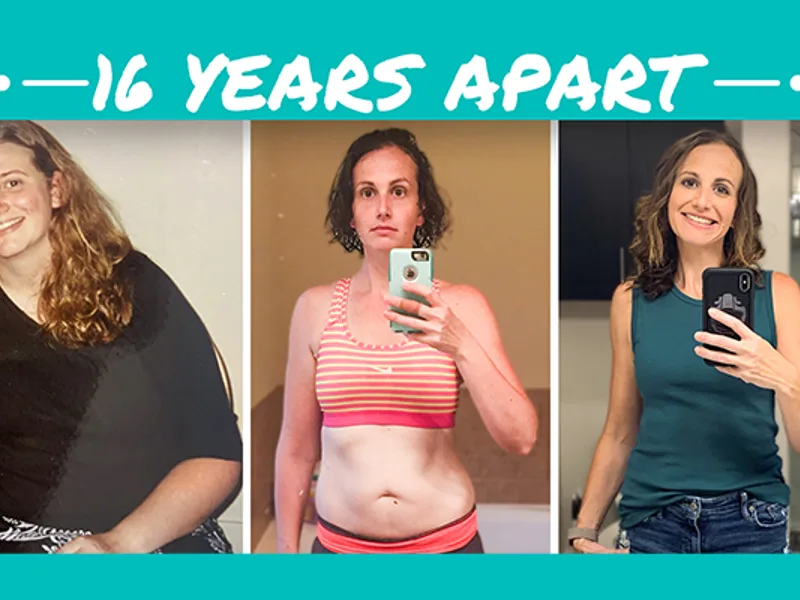
Does intermittent fasting weight loss actually last? A 2026 one-year follow-up study says yes — people who did just 12 weeks of time-restricted eating kept more weight off a full year later than those who got standard diet advice alone. But a separate Cochrane review of nearly 2,000 adults found int
July 23, 2026

A study of nearly 13,000 Brazilian adults found that people who consumed the most artificial sweeteners had noticeably faster memory and thinking decline over eight years than those who consumed the least. The effect was strongest in adults under 60 and in people with diabetes. Researchers stress th
July 23, 2026
Discover how to find a top nephrologist in Alipurduar. Expert advice on kidney care and choosing the right specialist for your health.
May 20, 2026