

Emergency & Help
24/7 Emergency & General Advisory
🚨 24/7 Medical Emergency
Non-Emergency Advisory
10:00 AM – 6:00 PM, Mon–Sat
For appointments & general queries.
24/7 Emergency & General Advisory
🚨 24/7 Medical Emergency
Non-Emergency Advisory
10:00 AM – 6:00 PM, Mon–Sat
For appointments & general queries.
Explore diabetes reversal programs in Garden Reach, focusing on lifestyle changes, medical support, and achieving remission. Your path to better health starts here.
Diabetes, especially type 2, once seemed a lifelong condition. We often see people in Garden Reach struggling with its daily management. Honestly, the notion of diabetes reversal was once considered a distant dream for many.
However, medical advancements and a deeper understanding of metabolic health have brought this possibility within reach. What most people miss: it's not about a magic pill, but a dedicated, holistic approach.
This program aims to help individuals in Garden Reach achieve remission from type 2 diabetes. Remission means your blood glucose levels return to a non-diabetic range without needing diabetes medication. It’s a significant achievement, requiring commitment but offering immense rewards for long-term health.
Type 2 diabetes often develops due to insulin resistance. This is when your body's cells don't respond well to insulin, a hormone that regulates blood sugar. Excess body weight, particularly around the abdomen, is a key contributor.
Most people overlook this completely.
Visceral fat releases inflammatory substances that worsen insulin resistance. Practically speaking, tackling this excess fat is crucial.
Reversal strategies focus on reducing this fat and improving insulin sensitivity. This involves meaningful lifestyle modifications. When successful, the pancreas can once again produce and use insulin effectively. How serious is this really? It's a chance to reclaim your health and vitality.
Diet is the cornerstone of any diabetes reversal approach. We focus on whole, unprocessed foods. Low-glycemic index (GI) foods are prioritized. These foods release sugar slowly into the bloodstream, preventing sharp spikes.
Many physicians recommend specific dietary patterns like the Mediterranean diet or low-carbohydrate approaches for type 2 diabetes management. These are often adapted for reversal programs. The goal is sustainable eating habits, not a temporary diet.
Regular exercise is vital for enhancing insulin sensitivity. It helps muscles use glucose for energy, lowering blood sugar levels. Is there a better way to boost your metabolism? Consistent physical activity is key.
This is where most patients struggle.
Starting slowly and gradually increasing intensity is crucial, especially for those new to exercise. A personalized plan ensures safety and effectiveness. We benefit individuals integrate activity into their daily routines.
Achieving and maintaining a healthy weight is often the most impactful factor in diabetes reversal. Losing even 5-10% of body weight can dramatically strengthen blood sugar control. This requires a combination of diet and exercise.
The program provides support and education on sustainable weight loss. We focus on mindful eating and understanding hunger cues. This approach helps prevent the yo-yo dieting cycle. Living with excess weight is genuinely hard, and we aim to provide a supportive environment.
This approach is not undertaken alone. Regular consultations with healthcare professionals are essential. Specialists monitor your progress closely. They track blood glucose levels, HbA1c (a measure of average blood sugar over 2-3 months), and other vital health indicators.
Recovery is rarely linear.
Adjustments to the plan are made based on your body's response. This ensures the therapy remains safe and effective. For instance, if blood sugar levels drop too low (hypoglycemia), medication or dietary adjustments might be needed. Following guidelines like those from the American Diabetes Association (ADA) ensures best practices are used.
Making marked lifestyle changes can be challenging. Emotional support is a vital component. We offer counseling and group sessions. These benefit individuals cope with the stresses of change and stay motivated. In many cases, understanding the psychological barriers is as important as the physical ones.
Building a strong support system—whether family, friends, or a support group—can make a notable difference. Celebrating small victories along the way boosts morale. This journey requires patience and self-compassion.
Diabetes reversal programs are primarily designed for individuals diagnosed with type 2 diabetes. Those who are newly diagnosed or have had the disorder for a shorter duration often see the best results. However, even individuals with longer-standing type 2 diabetes may experience considerable improvements in their health markers.
And yet, so many people miss it.
Crucially, a thorough medical evaluation is necessary. Factors like the duration of diabetes, presence of complications, and overall health status are assessed by physicians. Not everyone may be a suitable candidate, and alternative management strategies might be recommended.
Embarking on a diabetes reversal journey can present hurdles. Initial fatigue from dietary changes or increased activity is common. Cravings for certain foods can be intense. Social situations involving food require careful planning.
Honestly, sticking to the plan requires discipline. However, the long-term benefits far outweigh these temporary discomforts. Building new habits takes time. Patience and persistence are your greatest allies. Remember, the goal is sustainable health, not perfection.
We have seen remarkable transformations among people in Garden Reach. Consider Mrs. Sharma, a homemaker in her late 50s. Diagnosed with type 2 diabetes five years ago, her HbA1c was consistently above 8.5%. She joined our program, diligently following the dietary advice and exercise plan.
Most people overlook this completely.
Within six months, she achieved remission. Her HbA1c dropped to 5.8%, and she no longer needed medication. Her energy levels improved significantly. She now enjoys gardening and playing with her grandchildren without fatigue. Her story is a testament to what dedication can achieve.
Another patient, Mr. Khan, a retired office worker, struggled with his weight and diabetes for over a decade. After joining the program and losing 15 kg, his blood sugar levels stabilized. He feels more in control of his health than ever before. These individuals exemplify the potential for positive change.
Several clinics and healthcare providers in the Garden Reach area offer diabetes management and reversal programs. Look for facilities that offer a multidisciplinary approach. This includes dietitians, endocrinologists (specialists in hormone disorders), and fitness trainers.
The World Health Organization (WHO) emphasizes lifestyle interventions as a primary strategy for managing and potentially reversing type 2 diabetes. Ensure any program you consider aligns with these evidence-based guidelines. Checking credentials and patient testimonials can enable you choose the right care.
This is where most sufferers struggle.
The focus in diabetes care is shifting towards proactive management and remission. Personalized medicine, leveraging genetic and metabolic data, will play a larger role. Technology, like continuous glucose monitors (CGMs) and health apps, will further empower people.
We are optimistic about the future. More people will have the opportunity to achieve diabetes remission and lead healthier, fuller lives. This journey is about more than just controlling blood sugar; it's about reclaiming your well-being. Your health is your wealth, and investing in it yields the greatest returns.
While reversal is most successful in the early stages of type 2 diabetes, improvements are still possible even after many years. considerable lifestyle changes can still lead to better blood sugar control and potentially reduce medication needs. Consult with a specialist to assess your individual situation.
Not always. While low-carbohydrate diets can be very impactful for some, other approaches like low-glycemic diets or calorie restriction can also yield positive results. The best diet is one that is sustainable for you and effectively manages your blood sugar. Personalized nutritional advice is key.
The numbers don't lie.
Results vary among individuals. Some people notice improvements in blood sugar levels within weeks, while others may take several months to achieve notable changes. Consistent adherence to the program’s guidelines is crucial for timely and lasting results. Patience and perseverance are vital.
The primary risks are related to rapid blood sugar drops (hypoglycemia), especially if you are on certain diabetes medications. Electrolyte imbalances or nutritional deficiencies are possible if the diet is not well-planned. Close medical supervision by experienced physicians helps mitigate these risks effectively.
Visit Hospital
Near You
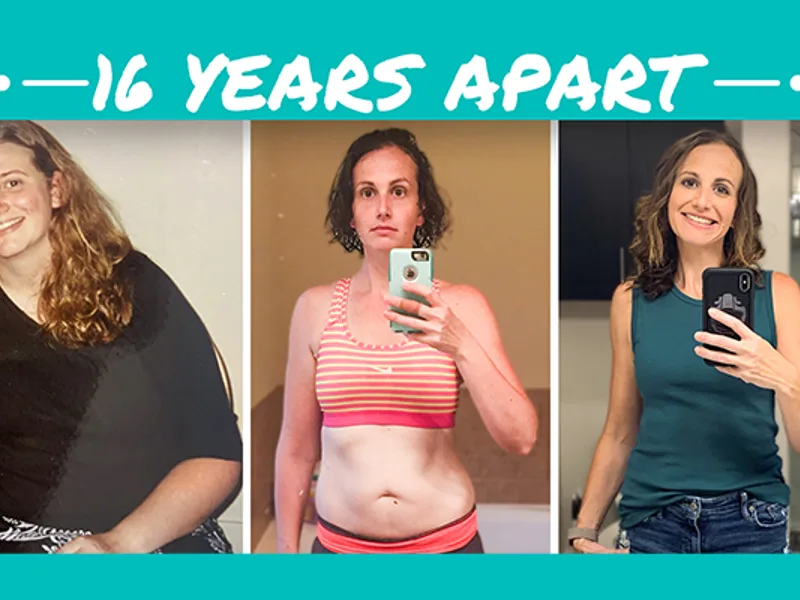
Does intermittent fasting weight loss actually last? A 2026 one-year follow-up study says yes — people who did just 12 weeks of time-restricted eating kept more weight off a full year later than those who got standard diet advice alone. But a separate Cochrane review of nearly 2,000 adults found int
July 23, 2026

A study of nearly 13,000 Brazilian adults found that people who consumed the most artificial sweeteners had noticeably faster memory and thinking decline over eight years than those who consumed the least. The effect was strongest in adults under 60 and in people with diabetes. Researchers stress th
July 23, 2026
Discover how to find a top nephrologist in Alipurduar. Expert advice on kidney care and choosing the right specialist for your health.
May 20, 2026