

Emergency & Help
24/7 Emergency & General Advisory
🚨 24/7 Medical Emergency
Non-Emergency Advisory
10:00 AM – 6:00 PM, Mon–Sat
For appointments & general queries.
24/7 Emergency & General Advisory
🚨 24/7 Medical Emergency
Non-Emergency Advisory
10:00 AM – 6:00 PM, Mon–Sat
For appointments & general queries.
Explore diabetes reversal programs in Nadia, understand the science, and find out how to achieve remission. Expert insights for better health.
Type 2 diabetes, a prevalent metabolic condition, is something many individuals manage daily. Although frequently viewed as a lifelong diagnosis, current research and effective initiatives indicate that achieving remission from this issue is a tangible prospect for many people.
In Nadia, much like throughout India, medical specialists are increasingly concentrating on strategies designed to reach a state of remission, rather than merely ongoing management.
Key Information: Achieving remission from this metabolic concern signifies bringing your glucose levels back to a non-diabetic range, eliminating the need for medication. This state is also referred to as a non-diabetic state or sustained remission. It necessitates substantial shifts in lifestyle and consistent dedication.
5% for at least three months without requiring medication for the ailment. For individuals with type 2 diabetes, this often involves considerable body mass reduction, dietary modifications, and increased physical activity.
Practically speaking, this is not a 'cure' in the conventional sense, but rather a state where the body's sensitivity to insulin is restored, and glucose concentrations normalize.
Insulin resistance frequently leads to the development of type 2 diabetes. This means the body's cells do not respond effectively to insulin, a hormone crucial for regulating blood glucose.
Excessive body fat, particularly around the abdomen, releases inflammatory substances that exacerbate insulin resistance. Strategies for achieving remission aim to diminish this fat and inflammation.
By reducing body mass, especially visceral fat, the pancreas can function more effectively. The liver also becomes more sensitive to insulin. Consider it this way: envision your body's 'sugar-processing system' as being obstructed. Achieving remission cleans out that system, enabling it to operate efficiently once more.
Successful initiatives aimed at achieving type 2 diabetes remission, whether implemented in Nadia or elsewhere, typically center on several fundamental pillars. These are structured to cultivate a sustainable, sound lifestyle that addresses the root causes of the metabolic disorder.
The numbers don't lie.
Dietary intake stands as arguably the most critical component. Structured plans frequently advocate for a low-carbohydrate, whole-foods-based eating pattern. The primary objective is to decrease the consumption of refined sugars and processed foods that cause spikes in glucose levels. Emphasis is placed on:
Adjusting eating patterns can certainly be demanding, particularly given the delightful diversity of Indian cuisine. Nevertheless, specialists can assist in adapting traditional dishes to be more suitable for individuals with this situation.
For instance, incorporating whole grains such as brown rice or millets instead of white rice, and including a greater variety of vegetables into curries and stir-fries.
Engaging in regular exercise is crucial for enhancing insulin sensitivity and managing body mass. Typically, a combination of aerobic and strength training is advised.
Aerobic exercises, like brisk walking, jogging, swimming, or cycling, improve cardiovascular well-being and aid in calorie expenditure. Strength training, utilizing weights or bodyweight movements, builds muscle mass, which in turn helps the body use glucose more effectively.
The World Health Organization (WHO) recommends a minimum of 150 minutes of moderate-intensity aerobic activity per week. For those new to exercise, beginning gradually is essential. Even 15-20 minutes of daily walking can produce a notable impact.
That alone changes everything.
For many individuals living with type 2 diabetes, excess body mass is a primary contributing factor. Consequently, achieving and maintaining a healthy body composition is central to remission.
Reducing body mass by even 5-10% can significantly enhance glucose control and insulin sensitivity. This is often accomplished through the combined efforts of dietary adjustments and increased physical activity.
Does this resonate with you? Many people encounter difficulties with body mass reduction. Support from healthcare providers, including registered dietitians and fitness trainers, can offer the necessary guidance and encouragement. We frequently observe patients in Nadia benefiting immensely from structured body mass management frameworks.
Achieving type 2 diabetes remission extends beyond diet and exercise; it represents a profound lifestyle transformation. Support systems often incorporate counseling, peer support groups, and educational sessions.
Understanding the issue, effectively managing stress, and developing coping strategies are critical for sustained success. Living with this illness is genuinely challenging, and emotional backing plays a vital role.
That's the part worth remembering.
Consider it in this context: establishing a new business requires a robust strategy, adequate resources, and mentorship. Similarly, achieving a non-diabetic state demands a well-structured blueprint, the correct knowledge, and ongoing assistance from a dedicated team.
Nadia district, like numerous areas of West Bengal, is witnessing an increase in healthcare efforts focused on lifestyle-related illnesses. Several clinics and hospitals are now providing specialized approaches for type 2 diabetes remission. These typically encompass:
These initiatives frequently convene a multidisciplinary team, comprising endocrinologists, cardiologists, dietitians, and exercise physiologists. The objective is to deliver holistic care that addresses all aspects of the metabolic issue.
The National Health Mission (NHM) in India also champions efforts aimed at non-communicable diseases, which indirectly assists in managing and potentially reversing type 2 diabetes.
When seeking a support plan for type 2 diabetes remission in Nadia, consider the following:
Locating a structured plan that aligns with your wellness objectives and lifestyle is essential. An initiative based in a reputable institution, perhaps affiliated with a recognized medical college like the Institute of Post Graduate Medical Education & Research (IPGMER), Kolkata, would offer a superior standard of care.
This is where most sufferers struggle.
The journey towards type 2 diabetes remission is not always straightforward. Some individuals may encounter challenges such as:
Why do these situations arise? Human physiology is intricate, and lifestyle modifications can be demanding.
Establishing a robust support network, acknowledging minor accomplishments, and maintaining transparent communication with your healthcare team are crucial strategies. Many affected individuals discover that concentrating on the enduring advantages—enhanced energy, improved physical state, and reduced reliance on medication—provides the necessary drive.
Physicians and specialists fulfill a vital function. They offer evidence-based guidance, monitor your physical state, and adjust your therapy as needed.
For example, an endocrinologist can assist in managing medication changes during the remission process, while a dietitian ensures your nutritional requirements are met. The Indian Council of Medical Research (ICMR) provides guidelines that shape such medical methodologies.
Achieving remission from type 2 diabetes is attainable for many, but it demands dedication and a significant commitment to lifestyle adjustments. It is not a rapid solution, but rather a journey towards sustained well-being. The success stories emerging from Nadia and across India offer encouragement and inspiration.
Embracing a more beneficial lifestyle can lead to profound enhancements in overall quality of life. By collaborating closely with healthcare professionals and remaining steadfast, individuals can strengthen their general well-being and potentially achieve sustained remission from type 2 diabetes.
And yet, so many people miss it.
This journey focuses on reclaiming one's physical state, one positive choice at a time.
Consuming rice in moderation can be integrated into a management plan for this problem. Opt for brown rice or other whole grains, which possess a higher fiber content. Portion control is essential, and it is advisable to consume rice alongside ample vegetables and lean protein to minimize spikes in glucose levels.
Remission from type 2 diabetes is achieved when glucose levels normalize without medication. However, it necessitates an ongoing commitment to a beneficial lifestyle. Should less healthy habits resurface, the metabolic disorder can recur. Maintaining a non-diabetic state is an active endeavor.
Type 2 diabetes is predominantly caused by a combination of genetic predisposition and lifestyle factors, which lead to insulin resistance and impaired insulin secretion. Factors such as obesity, physical inactivity, and an unhealthy diet significantly elevate the risk.
considerable body mass reduction, often around 10-15% of total body mass or more, is typically required for type 2 diabetes remission. Even a reduction of 5-10% can greatly enhance glucose control and insulin sensitivity, paving the way for potential remission.
That alone changes everything.
Always consult a qualified physician before making medical decisions.
Visit Hospital
Near You
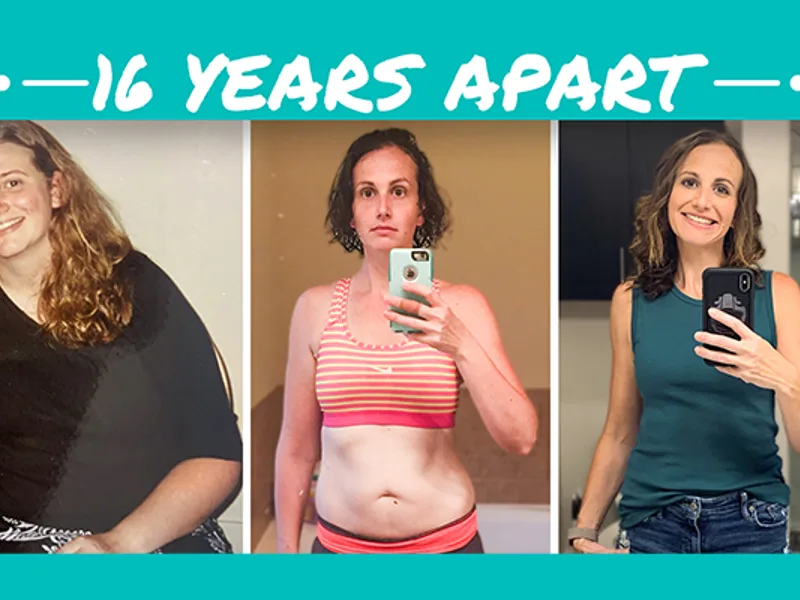
Does intermittent fasting weight loss actually last? A 2026 one-year follow-up study says yes — people who did just 12 weeks of time-restricted eating kept more weight off a full year later than those who got standard diet advice alone. But a separate Cochrane review of nearly 2,000 adults found int
July 23, 2026

A study of nearly 13,000 Brazilian adults found that people who consumed the most artificial sweeteners had noticeably faster memory and thinking decline over eight years than those who consumed the least. The effect was strongest in adults under 60 and in people with diabetes. Researchers stress th
July 23, 2026
Discover how to find a top nephrologist in Alipurduar. Expert advice on kidney care and choosing the right specialist for your health.
May 20, 2026